September 27, 2026
Thank God for the Blood of the Lamb
Romans 3:23; Titus 3:5; John 3:16; Acts 16:31; Romans 10:9, 13
The preacher celebrates gathering for worship and urges the congregation to remember why they are there: to glorify Jesus and respond to his love. He describes Christ’s suffering and death on the cross as the sacrifice for sinners, and says salvation comes through God’s mercy, not good works, baptism, or religious status.
Using the two thieves crucified beside Jesus, the sermon emphasizes that a person is saved by believing in Christ. The preacher distinguishes knowing facts about Jesus from personally trusting him, and calls listeners not to put off responding to the gospel, since life is uncertain and “today is the day of salvation.”
The sermon also reflects on grief and death, contrasting the hope Christians have in Christ with the permanence of separation from God. The preacher invites anyone unsure of their salvation to seek help and trust Jesus, then closes with prayer, an invitation to respond, and church announcements.
Key takeaways
- Jesus’ death is presented as God’s provision for sinners.
- Salvation is by God’s mercy, not by good works or religious status.
- The preacher calls listeners to personally trust in Jesus, not merely know facts about him.
- The story of the repentant thief illustrates salvation through faith.
- The sermon urges listeners not to delay responding to the gospel.
- The preacher describes Christian hope in death as grounded in Christ.
- Grief is real, but the sermon points to hope in Jesus.
- The congregation is urged to remember that worship is centered on glorifying Christ.
- Listeners who are uncertain about salvation are encouraged to seek help.
- The service closes with an invitation to respond and announcements for upcoming church activities.
- Day 1Romans 3:23; Titus 3:4-5
Grace, Not Achievement
The sermon reminds us that every person has sinned and fallen short of God’s glory. Our standing with God cannot be secured by good deeds, religious roles, or a record that outweighs our failures. Scripture points instead to God’s mercy: he saves us, not because of righteous works we have done, but because of his goodness and grace. This truth humbles us, but it also gives hope. We do not have to pretend we are good enough or try to earn what God freely gives. In Jesus, God has provided the way back to himself. Receive that gift with trust, and let gratitude—not pride or fear—shape the way you live. For those who already follow Christ, remembering grace can soften our judgments and turn our attention away from status and toward serving others.
- Reflect
- Where are you tempted to rely on your own goodness instead of resting in God’s mercy?
- Prayer
- God of mercy, thank you for saving us by grace; teach me to trust you and live gratefully.
- Day 2Luke 23:39-43; Ephesians 2:8-9
A Trusting Turn
Beside Jesus on the cross, one condemned man turned toward him with humility and faith. He could not undo his past or perform good deeds to earn a place in paradise. He entrusted himself to Jesus, and Jesus answered with a promise of welcome. This account does not make repentance or a changed life unimportant; it shows that salvation is God’s gift, received through faith rather than earned by human effort. The dying man had no time to build a religious résumé. He had the opportunity to trust the Savior before him. Whatever your story holds, you can come honestly to Christ. And if you already belong to him, remember that your hope rests in his faithfulness, not in a flawless record. Let this grace move you toward a life of grateful obedience.
- Reflect
- What would it look like today to entrust yourself more fully to Jesus?
- Prayer
- Jesus, I cannot earn your grace; help me trust you and follow you with a grateful heart.
- Day 3John 3:16; Romans 10:9-13
The Love That Came for Us
The cross is not merely an idea to understand; it is the revelation of God’s love in action. Jesus gave himself for sinners, and the good news invites us to trust him. The sermon distinguishes knowing facts about Jesus from personally relying on him. Faith is more than familiarity with the story: it is turning to Christ as Savior and Lord. Yet we should not make faith a special feeling or a perfect prayer. The hope of the gospel rests on Jesus—his death and resurrection—and God’s promise to save those who call on him. If you are uncertain about your response to Christ, speak honestly with a trusted pastor or Christian and read these passages carefully. If you already trust him, let the wonder of his love renew your worship and your care for others.
- Reflect
- Is your confidence resting in Jesus himself, or in your religious history or efforts?
- Prayer
- Lord Jesus, thank you for giving yourself for us; deepen my trust in your saving love.
- Day 4Psalm 34:18; 2 Corinthians 1:3-4
God Near in Grief
The sermon speaks frankly about death, sorrow, and the pain of losing people we love. Christian hope does not ask us to pretend that grief is small. Jesus himself entered suffering, and Scripture assures us that God is near to the brokenhearted. For those who trust Christ, death does not have the final word; still, the loss we feel in this life is real. We can weep, seek help, and let others carry some of the weight with us. The sermon also recalls people facing deep despair. If you or someone close to you feels unable to keep going, reach out now to a trusted person, pastor, mental-health professional, or emergency service. You do not have to face that moment alone. God’s care often reaches us through the loving presence and practical help of others.
- Reflect
- Who could you reach out to, or support, in a season of grief or deep distress?
- Prayer
- God of compassion, draw near to those who suffer and help us care for one another.
- Day 52 Corinthians 6:2; Matthew 5:16
Today, and the Life Ahead
The sermon urges listeners not to delay turning to God, echoing Scripture’s call to receive his grace today. We cannot assume we will have a later opportunity, so we should respond honestly to what God is showing us now. For someone who has not trusted Christ, this means seeking him rather than postponing the question. For a Christian, “today” also means living faithfully in ordinary moments: glorifying Jesus, welcoming others, and serving the people God places nearby. The sermon celebrates how each gathering is unique; the people around us and the needs before us will not be exactly the same tomorrow. We do not control every circumstance, but we can ask God to make us attentive and ready. May gratitude for Christ’s mercy lead us to share hope gently and to love our neighbors well.
- Reflect
- What faithful step can you take today in response to God’s grace?
- Prayer
- God, help me respond to your grace today and reflect the love of Jesus to those around me.
Open together
- 1.What helps you feel welcomed and engaged when you gather with a church community?
- 2.Can you recall a time when a particular day or encounter felt unexpectedly significant? What made it stand out?
Observation
- 1.According to the sermon, what did Jesus endure and accomplish through his death on the cross?
- 2.What contrast does the preacher draw between the two criminals crucified beside Jesus, and what did Jesus promise the one who trusted him?
- 3.Which Bible passages does the sermon cite to support the claims that salvation is by God’s mercy and that those who believe or call on the Lord will be saved?
- 4.How does the preacher distinguish knowing facts about Jesus from trusting him personally?
- 5.What does the preacher say gives Christians hope when they grieve the death of someone who trusted Christ?
- 6.What invitation does the preacher extend to listeners who are unsure whether they know Jesus as Savior?
Interpretation
- 1.What does the account of the repentant criminal suggest about the relationship between salvation, faith, and good works?
- 2.How does the sermon present the meaning of Jesus’ death and the image of his blood?
- 3.What might it mean to trust Jesus “with the heart” rather than merely know facts about him?
- 4.How do the cited passages from Titus, John, Acts, and Romans contribute to the sermon’s message about salvation?
- 5.How does Christian hope shape grief without pretending that death is painless?
- 6.The sermon urges listeners not to delay responding to Jesus. How does that urgency relate to its claim that salvation is offered by grace?
Application
- 1.What, if anything, has this study helped you recognize about your own trust in Jesus?
- 2.Is there a truth about Jesus that you know intellectually but have found difficult to rely on personally?
- 3.How might gratitude for Jesus’ sacrifice change the way you approach worship or serve others this week?
- 4.Who in your life might need to hear about the hope you have in Jesus, and what is one thoughtful way you could reach out?
- 5.If you are grieving, or supporting someone who is grieving, what could it look like to make room for sorrow while holding on to Christian hope?
- 6.What is one practical step you can take this week to respond to the sermon’s message rather than put it off?
A Wet Sinner?
0:52A preacher makes a blunt point about why baptism alone cannot save you.
You Can't Save Yourself
0:57Good deeds and titles cannot earn your way into heaven—but there is a way.
Head Knowledge vs. Heart Knowledge
0:41Knowing the story of Jesus is not the same as trusting him with your heart.
Stop Trying to Make It Your Way
0:46The sermon’s answer to salvation is simple: stop striving and surrender at the cross.
Satan Hates Your Guts. Jesus Loves You.
0:54A memorable card slogan distills the sermon’s message into one blunt contrast.
Could Today Be Your Destiny?
0:44What if this is the day you finally recognize your need for grace?
Today Is the Day
0:56Waiting for a future moment to turn your life around is never guaranteed.
When You Feel You Can't Go On
0:55A grieving grandmother’s story turns into a message for anyone overwhelmed by pain.
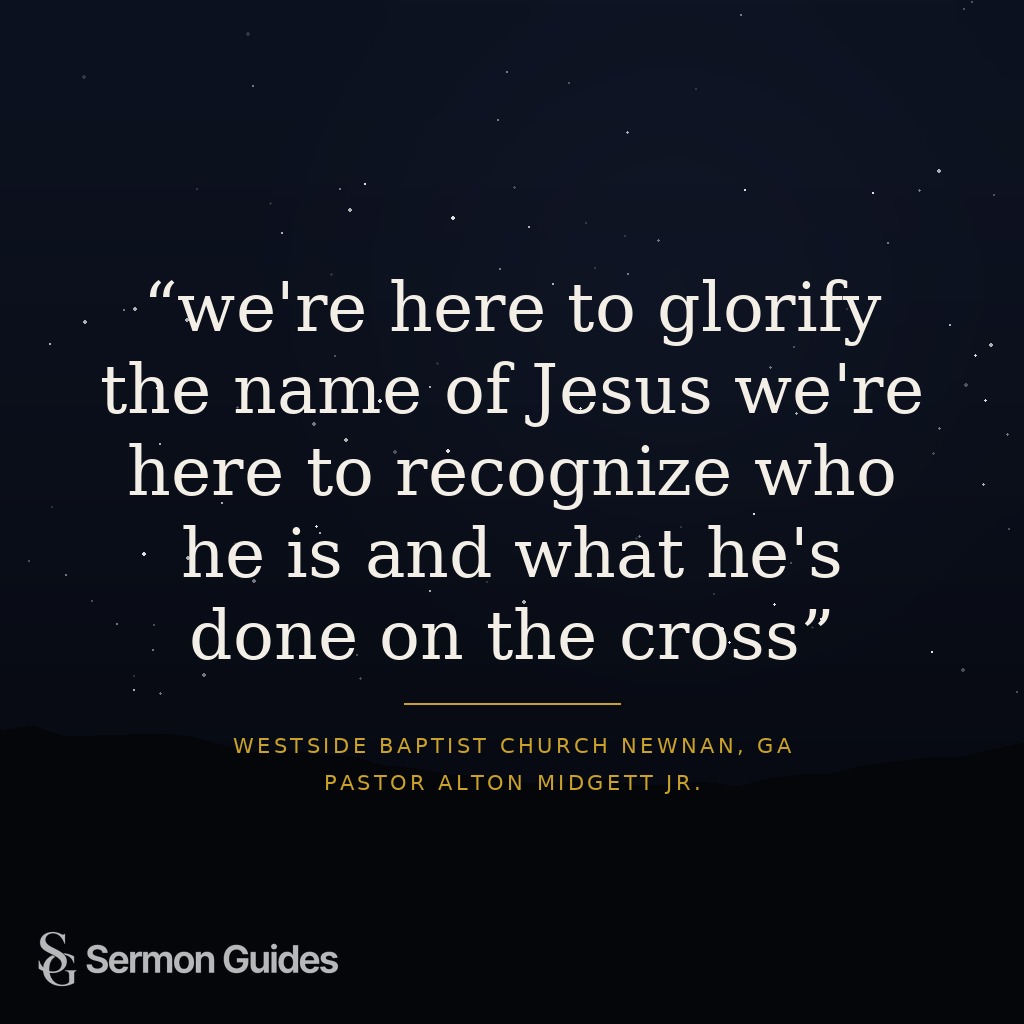
Worship centers on who Jesus is and what He has done. Let that truth shape how you live and serve this week. Join us at Westside Baptist Church as we give Him glory.
#ThankGodForTheBloodOfTheLamb #WestsideBaptistChurch #Worship
Post it on Facebook
Then attach the saved picture and paste the caption into a new post.

The preacher reminds us that Jesus gave His life for each of us. Remember His love when you need hope or reassurance. You’re welcome to join us at Westside Baptist Church.
#ThankGodForTheBloodOfTheLamb #WestsideBaptistChurch #JesusLovesYou
Post it on Facebook
Then attach the saved picture and paste the caption into a new post.
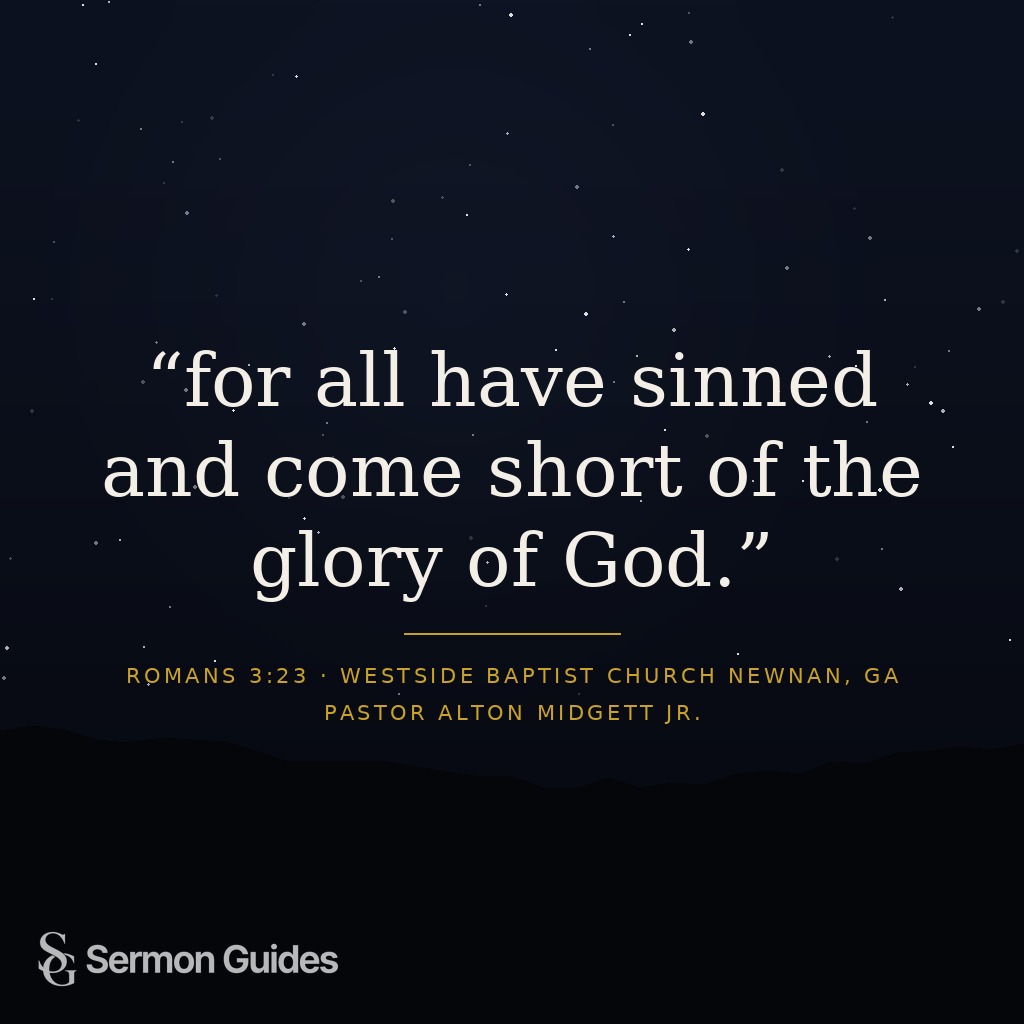
Scripture tells us that every one of us has fallen short. We all need God’s grace, and no one is beyond His invitation. Come hear more about that hope with us at Westside Baptist Church.
#ThankGodForTheBloodOfTheLamb #WestsideBaptistChurch #GodsGrace
Post it on Facebook
Then attach the saved picture and paste the caption into a new post.
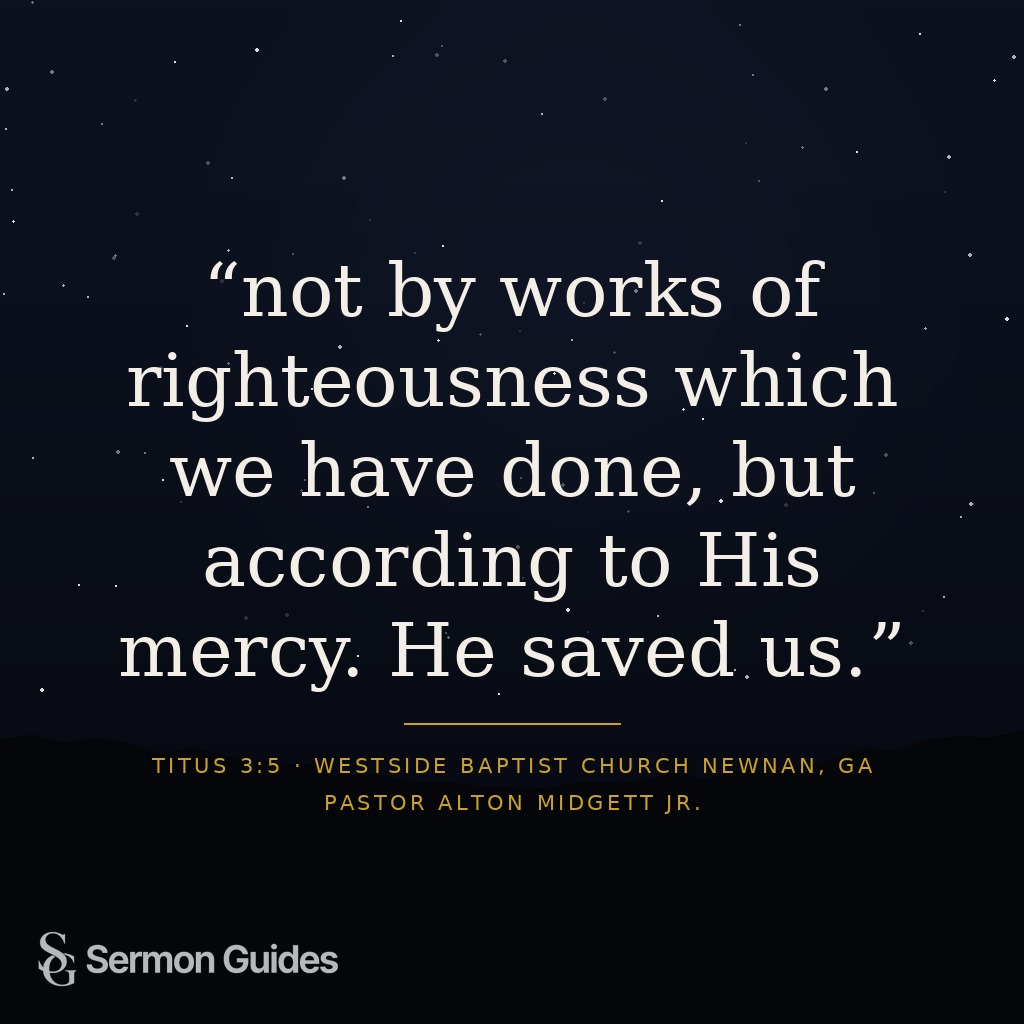
Salvation is not something we earn; it is God’s mercy. Let this truth free you from striving to make yourself worthy and point you to Him. Join us at Westside Baptist Church to learn more.
#ThankGodForTheBloodOfTheLamb #WestsideBaptistChurch #Mercy
Post it on Facebook
Then attach the saved picture and paste the caption into a new post.

God’s love is shown in the gift of His Son. Turn to Jesus and trust the love He has shown you. We’d love to welcome you at Westside Baptist Church.
#ThankGodForTheBloodOfTheLamb #WestsideBaptistChurch #John316
Post it on Facebook
Then attach the saved picture and paste the caption into a new post.
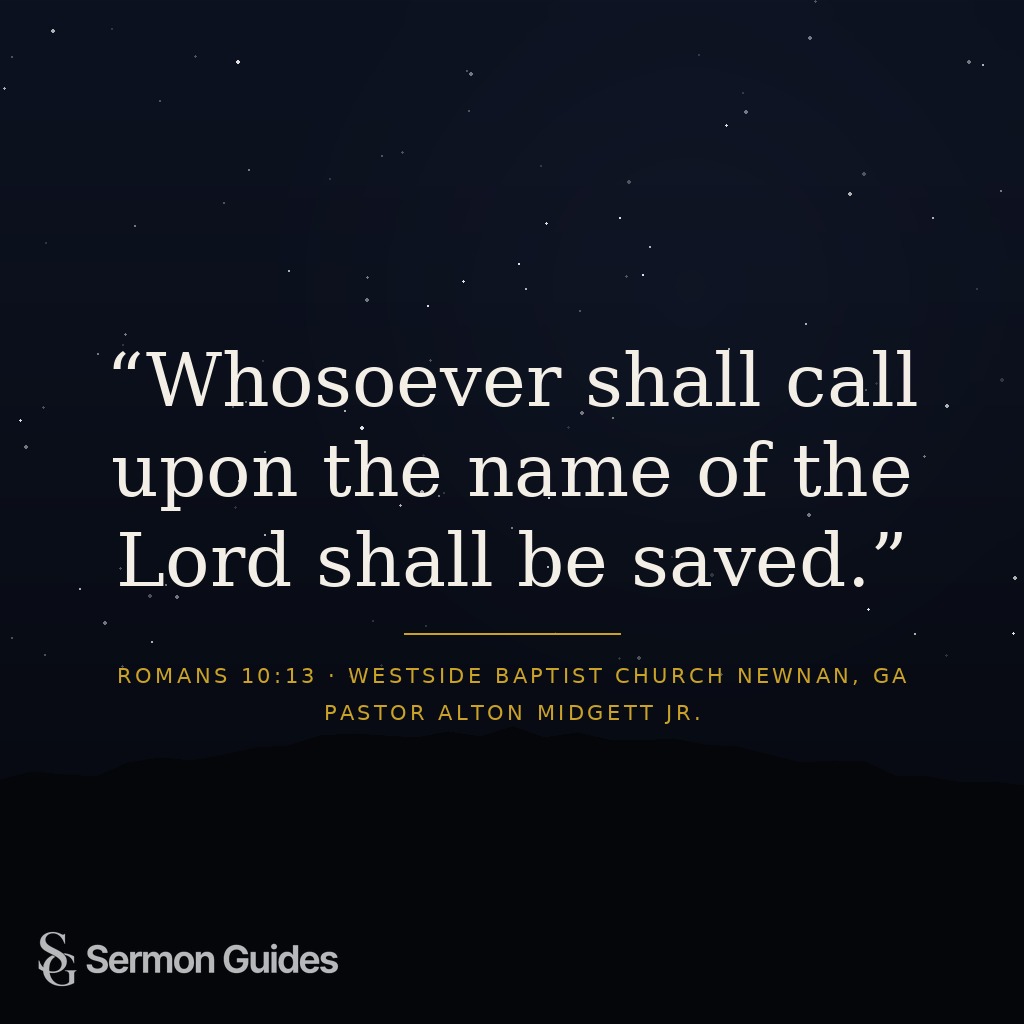
The preacher points to the promise that whoever calls on the Lord will be saved. If you’re seeking Christ, don’t wait to reach out for help and prayer. Come talk with us at Westside Baptist Church.
#ThankGodForTheBloodOfTheLamb #WestsideBaptistChurch #Romans1013
Post it on Facebook
Then attach the saved picture and paste the caption into a new post.