
What Changed?
Sep 20, 2026 · Sunday AM · Luke 7:18-37
In Luke 7, John the Baptist, sitting in prison amidst trials and shattered expectations, sent his disciples to ask Jesus, "Art thou he that should come, or look we for another?" Drawing from this moment of unexpected hesitation in a great prophet, the sermon confronts the congregation with a piercing spiritual inventory: What changed? Believers are urged to examine why the boldness, passion, and spiritual clarity they once possessed so often fade into quiet skepticism, lukewarm routine, and casual attendance.
Jesus responded to John not with intellectual debate, but with visible evidence of God's active power—the blind saw, the lame walked, lepers were cleansed, and the poor received good news. Too often, believers cease expecting God to act, settling for intellectual theology without spiritual vitality. Like the Pharisees who memorized the Scriptures yet failed to recognize the Messiah standing before them, Christians can accumulate Bible information while missing the living relationship and supernatural fire God desires to unleash in their lives.
Ultimately, spiritual decline occurs when disciples exchange a sacrificial calling for personal comfort, adopt society's reluctance to take responsibility, and reduce the Christian life to behavioral checklists rather than heart transformation. Like the broken woman who poured out her tears and alabaster ointment at the Savior's feet, God does not look for outward religious performance, but for an honest, surrendered heart that rests entirely in Jesus Christ.
Key takeaways
- Trials and unfulfilled expectations can cause even faithful believers to battle doubt and lose their spiritual fire.
- Knowing biblical facts is never a substitute for an intimate, vibrant relationship with the God of the Scriptures.
- True worship is an active, surrendered offering to God rather than passive entertainment from the platform.
- Spiritual drift begins when believers pray, read Scripture, and attend church without truly expecting God to move.
- Disciples easily lose their effectiveness when they trade a holy calling for personal convenience and comfort.
- Worldly culture tempts Christians to fit God into their lives rather than building their lives around God.
- Maturity requires stepping up and taking responsibility in the local church rather than hiding in the background.
- Faith is resting entirely in God's strength rather than attempting to hold yourself up through human effort.
- Authentic Christianity is defined by internal transformation of the heart, not merely outward moral behavior.
- God welcomes honest, hurting hearts back into deep repentance, renewed trust, and radical surrender.
Day 1
Bringing Your Doubts to Christ
Luke 7:18-20
It is startling to find John the Baptist, the very prophet who announced the Lamb of God, sending messengers from prison to ask, 'Art thou he that should come?' Hard seasons have a way of wearing down our initial spiritual fervency. When circumstances do not align with our expectations or when trials drag on, our hearts can slowly cool from bold conviction into quiet uncertainty. The pastor reminded us that John did not abandon his faith in silence; he sent his questions straight to Jesus. Christ did not rebuke John for his frailty, but gently pointed to the evidence of grace at work. You may look back at earlier seasons of your Christian walk and wonder what shifted inside you. Acknowledging that something has changed is not defeat; it is the first step toward restoration. Instead of burying your disappointment or drifting away, carry your weary soul directly to the Savior who understands your frame.
- Reflect
- Where in your spiritual walk have unresolved disappointments caused your confidence in Christ to cool?
- Prayer
- Lord Jesus, receive my weary heart and anchor my soul when doubts arise.
Day 2
More Than Information
Luke 7:21-23
Jesus responded to John's disciples not with an abstract theological treatise, but with tangible proof of His living power: the blind saw, the lame walked, and the poor received good news. We often substitute biblical knowledge for a living, expectant encounter with God. It is entirely possible to sit through church services, sing familiar hymns, and recite doctrinal truths while expecting nothing to actually happen in our hearts. When our religion becomes merely intellectual or purely routine, we treat worship like a performance and prayer like a dry chore. Jesus invites us to look for His hand at work today. Do not settle for an empty orthodoxy that leaves your daily life unchanged. Approach the Word of God with an open heart that eagerly anticipates His voice. When you pray and worship, do so with genuine expectancy, trusting that the Lord who worked miraculous mercy in Galilee remains present and active in your life today.
- Reflect
- Are you coming to God with genuine expectancy, or have your spiritual practices become routine habits?
- Prayer
- Holy Father, awaken my heart to expect Your power and presence in my daily walk.
Day 3
Surrendering Comfort for Calling
Luke 7:24-26
Jesus reminded the crowd that John was not a reed shaken by the wind, nor a man clothed in soft raiment living in palace luxury. John had abandoned worldly ease because he had captured a glimpse of a far greater calling. Yet how easily we trade sacrificial devotion for personal comfort. We want God to bless our plans, but we hesitate to yield our schedules, resources, or preferences to His kingdom. When comfort becomes our idol, serving in the local church begins to feel like an unreasonable burden, and gospel obedience seems too costly. Many of us can remember seasons when we possessed far less materially, yet rejoiced with deep spiritual richness because our eyes were set wholly on Jesus. Christ calls us back to that singular focus. When we willingly surrender our insistence on ease and self-interest, we discover the surpassing joy of walking in purposeful obedience to His sovereign call.
- Reflect
- What comfortable habits or self-serving priorities are currently hindering you from fully serving the Lord?
- Prayer
- Lord, deliver me from the love of ease and give me courage to follow You wholeheartedly.
Day 4
Resisting the Culture of Drift
Luke 7:31-35
Christ compared the generation of His day to fickle children in the marketplace who could not be pleased by mourning or dancing. Culture constantly pushes us toward shallow consumerism, emotional instability, and an unwillingness to commit to serious responsibility. We see this spirit all around us: people drift between relationships, avoid hard work, and step back when faithfulness requires perseverance. Sadly, that same cultural breeze often blows into the church. We prefer to hide in the crowd where nothing demanding is asked of us, rather than investing our lives deeply in a local body of believers. Longevity in the faith is not an accidental byproduct; it requires intentional rhythms of grace, persistent repentance, and accountability within Christian community. Guard your heart against letting secular convenience dictate your spiritual endurance. Stand firm in the truth, embrace the responsibilities God has given you, and choose to build a faith that lasts over decades.
- Reflect
- In what areas are you letting cultural passivity dictate your commitment to God's church and His people?
- Prayer
- Heavenly Father, grant me steadfastness and keep my feet grounded in Your unchanging truth.
Day 5
The Worship of a Broken Heart
Luke 7:36-38, Luke 7:47
In Simon the Pharisee's home, an unnamed woman washed Jesus' feet with her tears and wiped them with her hair. Simon watched with cold judgment, confident in his external propriety, while this broken woman recognized the depth of her debt and the sweetness of Christ's mercy. Christianity is not a program of mere behavior modification where we polish our reputation before others while harboring prideful, hard hearts. The Lord looks straight past outward religious show to see what our hearts truly treasure. It is easy to claim we have kept all the moral rules, yet harbor bitterness, apathy, and silent rebellion toward God. True worship begins where self-righteousness ends: at the feet of the Savior in genuine repentance. When we recognize how much we have been forgiven, our hearts soften into lavish love and spontaneous gratitude. Ask the Lord to shatter any spiritual pretense so your life may overflow with genuine devotion.
- Reflect
- Has your faith become a matter of outward moral compliance rather than deep, heart-level love for Christ?
- Prayer
- Precious Savior, break my self-righteous pride and fill me with tender, grateful love for You.
Open together
- 1.When you look back on your early days of following Christ, what was something you were intensely excited or zealous about?
- 2.What are some common life circumstances that easily cause people to lose momentum or drift in their faith?
- 3.Can you share a time when God answered a prayer or fulfilled a promise in a way that looked completely different from what you expected?
Observation
- 1.According to Luke 7:18-20, what specific question did John the Baptist instruct his disciples to ask Jesus?
- 2.What works and miracles did Jesus perform in that very hour while John's disciples were present (Luke 7:21)?
- 3.How did Jesus tell the messengers to answer John regarding what they had seen and heard (Luke 7:22-23)?
- 4.In Luke 7:31-32, what comparison did Jesus use to describe the men of that generation?
- 5.In Luke 7:37-38, who entered the Pharisee's house, what did she bring, and what did she do at Jesus' feet?
Interpretation
- 1.Why would someone as bold and dedicated as John the Baptist experience doubt and question if Jesus was truly the Promised One?
- 2.Why do you think Jesus responded to John's inquiry with visible demonstrations of kingdom power and mercy rather than a simple 'yes'?
- 3.How do Jesus' actions in Luke 7:22 demonstrate the fulfillment of messianic expectations from the Old Testament scriptures?
- 4.What point was Jesus making about spiritual apathy when He compared His critics to children who refuse to join in either joyous music or mourning?
- 5.How does the contrast between the self-righteous religious observers and the weeping woman with the alabaster box reveal the difference between external religion and heart-level transformation?
Application
- 1.The sermon asked the searching question, 'What changed?' In what specific areas of your spiritual walk have you noticed a drift from vibrant devotion into comfortable routine?
- 2.When you come to worship or spend time in prayer, do you actively expect God to work, or do you find yourself merely going through the motions?
- 3.In what ways have you felt the pull to exchange the sacrificial calling of discipleship for personal convenience or cultural comfort?
- 4.When trials or unanswered questions bring seasons of spiritual doubt, what biblical truths and spiritual practices help restore your confidence in Christ?
- 5.What would it look like for you to approach Jesus this week with the same humble, wholehearted surrender shown by the woman at His feet?
Information Is Not Relationship
0:49Knowing the Bible means nothing if you don't actually know the God of the Bible.
Are You Truly Saved?
0:56If your life didn’t change after salvation, you might not understand what being saved actually means.
If God Is Real, Why Don't You Pray?
0:27Everyone raises their hand to say God is real, until you look at how little they pray.
The Danger of Casual Christianity
0:39We give God our leftover convenience and wonder why He isn't moving in our lives.
Chasing Comfort Over Calling
0:44You cannot expect God to use your life if you only serve when it's convenient for your schedule.
Why We Run From Responsibility
0:37Society taught an entire generation to fit God into their lives rather than surrender to Him.
Does God Still Do Miracles?
0:57Only one in four Christians believe God still performs miracles today.
What Derailed Your Faith?
0:41What happens to believers who once burned with passion for God but slowly grew completely casual?
Why We Lose Our Confidence
0:36Have you ever felt led by God to take a step, only to pull back the second it got real?
The Mistake Most Christians Make
0:37Leaning on your own strength instead of resting in God will exhaust you every single time.
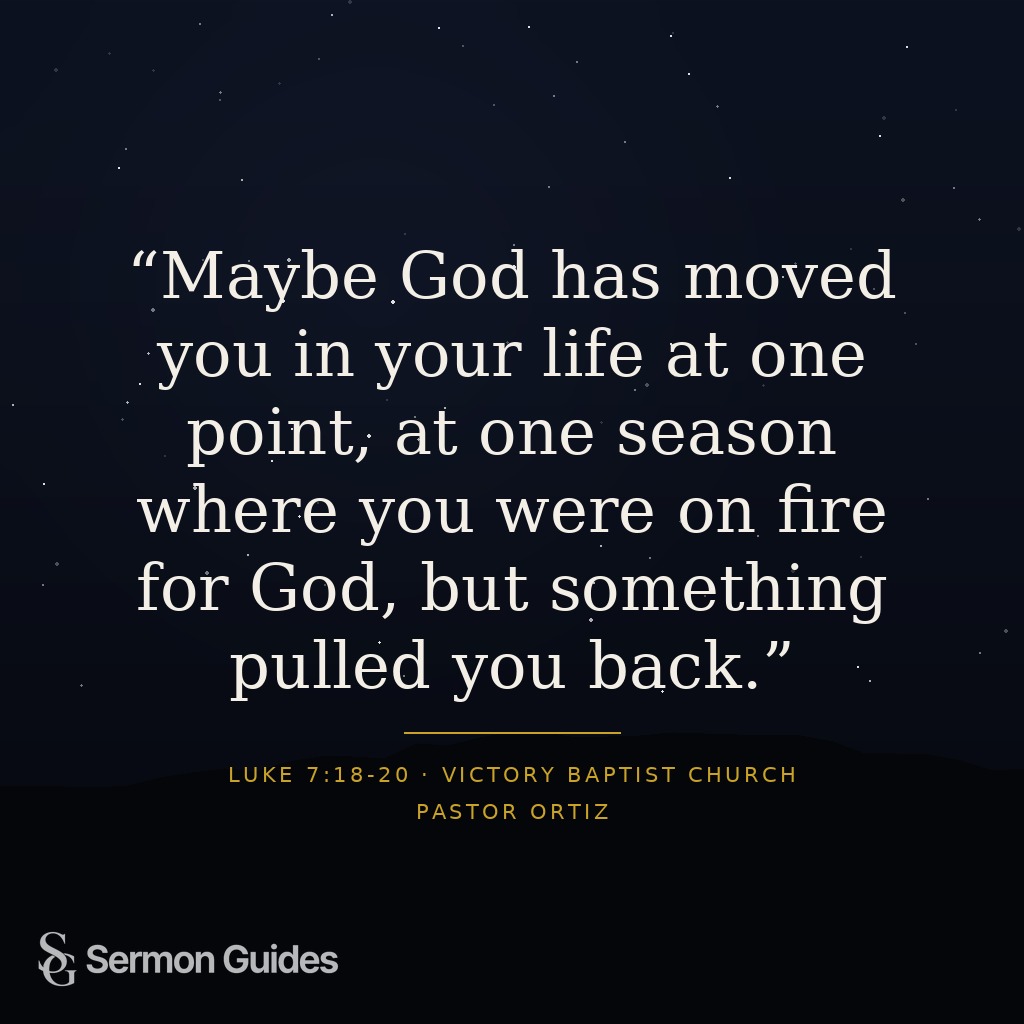
It is easy to lose our spiritual boldness when trials and disappointments cause us to pull back. Take an honest inventory of your heart today and ask the Lord to rekindle that former fire. Join us this Sunday at Victory Baptist Church as we seek God's renewing grace together! 🙏
#WhatChanged #VictoryBaptistChurch #FaithRenewed #SpiritualGrowth
Post it on Facebook
Then attach the saved picture and paste the caption into a new post.
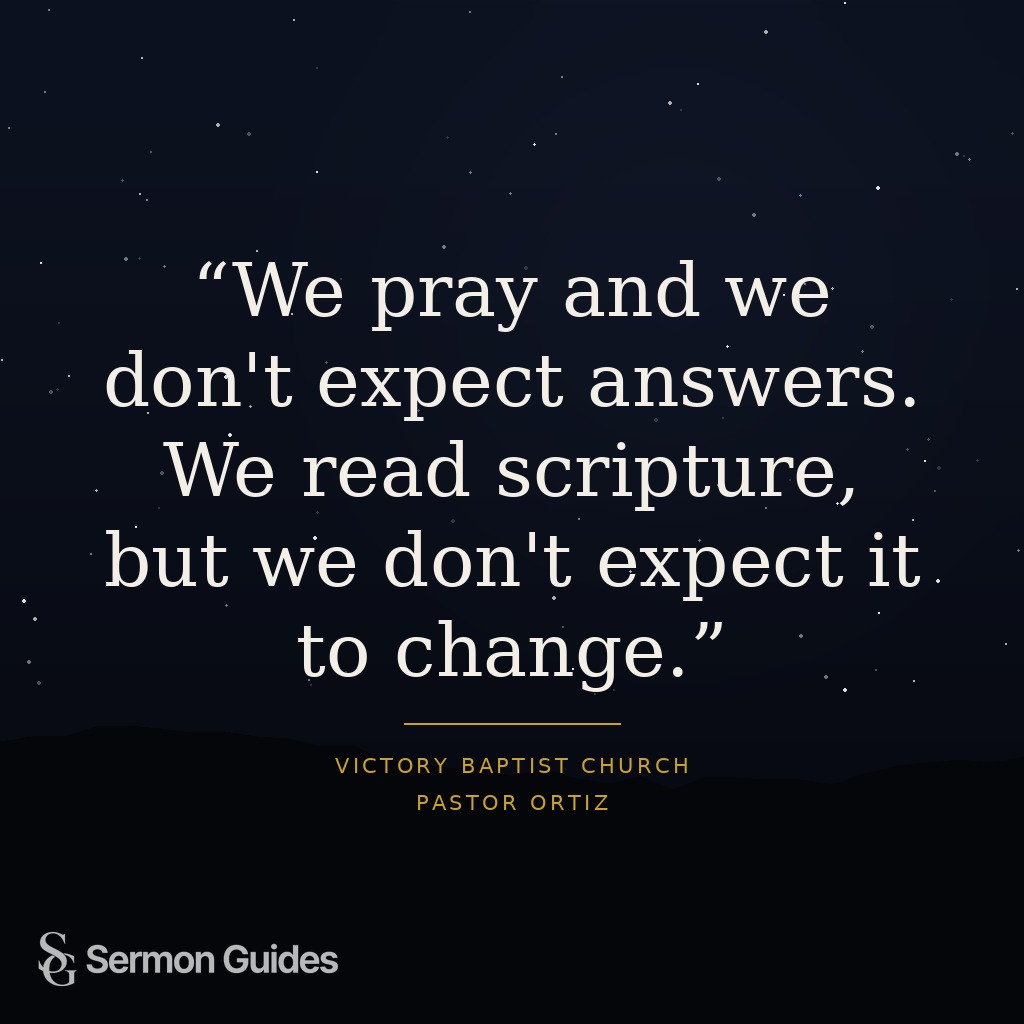
Routine can slowly rob our walk with Christ of its living power. When we approach God's Word and prayer, let us come with expectancy, believing He still moves. Come worship with us this week and rediscover the reality of seeking the living God.
#WhatChanged #VictoryBaptistChurch #PrayerLife #ExpectantFaith
Post it on Facebook
Then attach the saved picture and paste the caption into a new post.
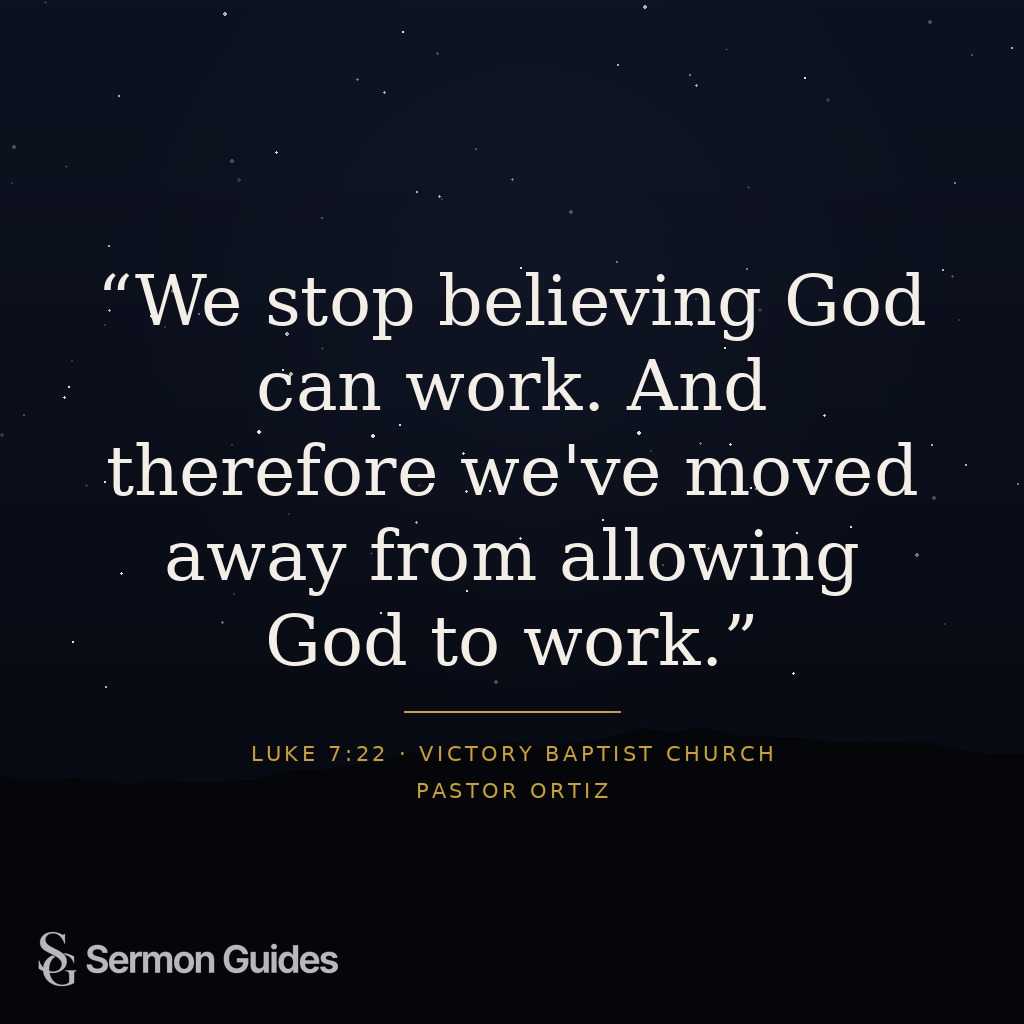
When we stop expecting the Lord to act, we quietly retreat into self-reliance. Jesus is still performing miracles and changing lives today when we simply make room for Him. Come join our church family this week and witness what the Lord is doing! ✨
#WhatChanged #VictoryBaptistChurch #GodStillWorks #FaithOverDoubt
Post it on Facebook
Then attach the saved picture and paste the caption into a new post.
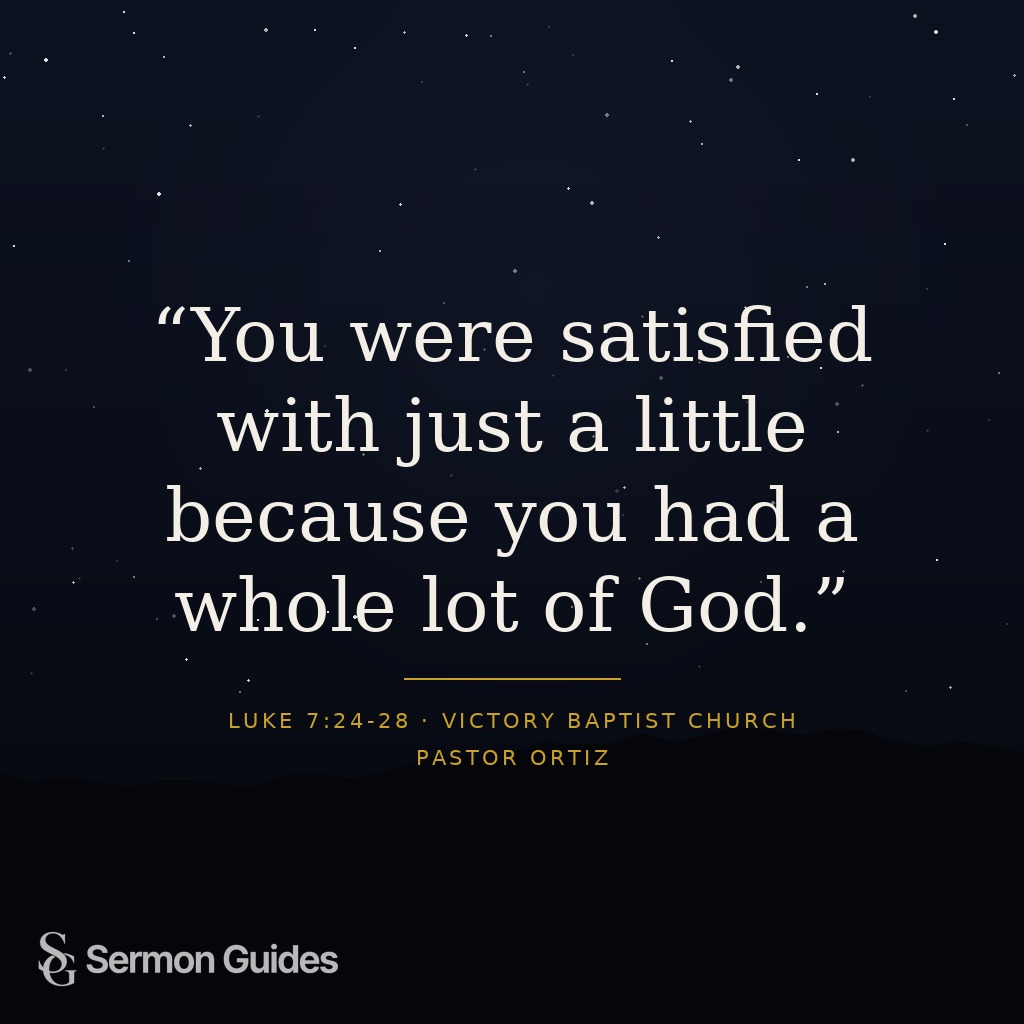
Worldly comforts often crowd out the simplicity and power of relying wholly on the Lord. Strip away the distractions that have taken God's rightful place in your priorities. We invite you to gather with us this Sunday as we return to putting Christ first.
#WhatChanged #VictoryBaptistChurch #ChristianLiving #Priorities
Post it on Facebook
Then attach the saved picture and paste the caption into a new post.
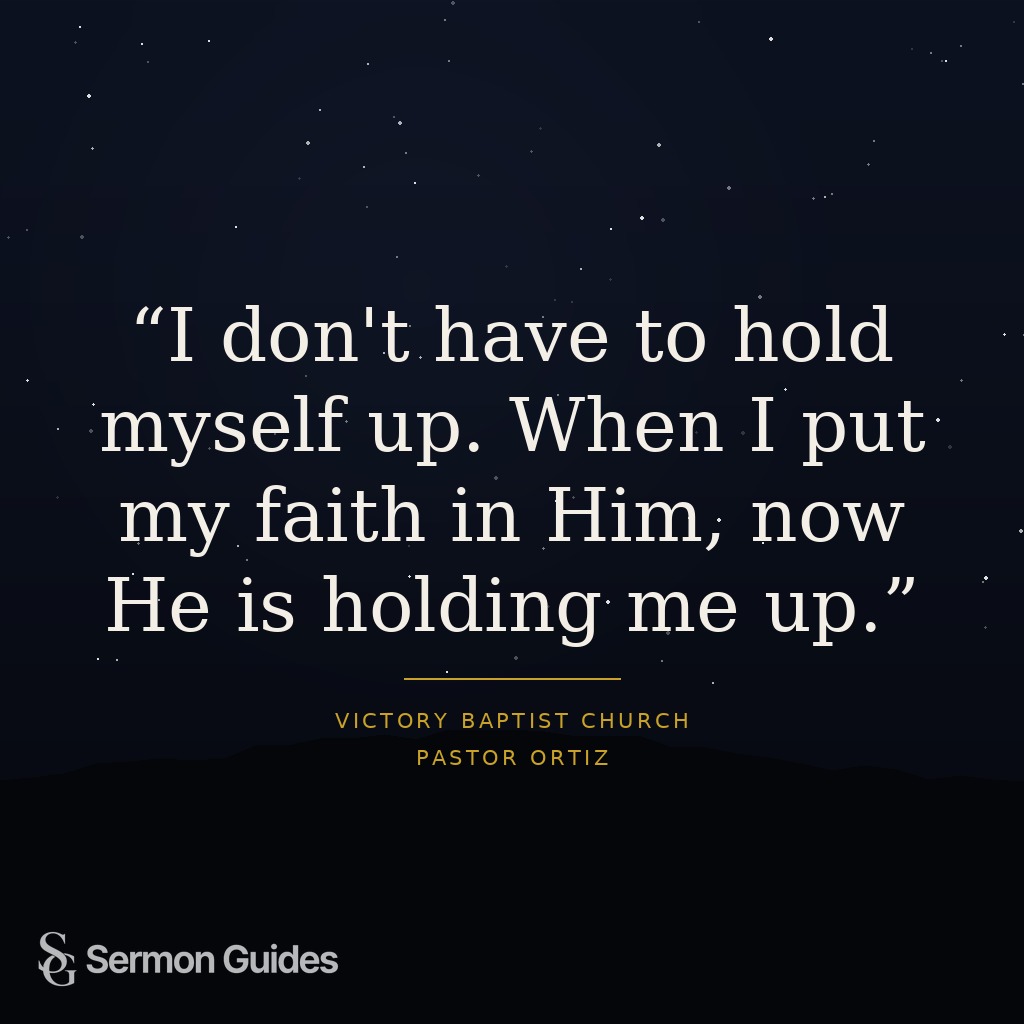
True faith is resting in Christ's finished work and infinite strength rather than our own fading effort. Stop carrying burdens on your own strength and let Jesus sustain your every step. Come find rest and encouragement with our church family this Wednesday night. 🕊️
#WhatChanged #VictoryBaptistChurch #RestInChrist #Grace
Post it on Facebook
Then attach the saved picture and paste the caption into a new post.
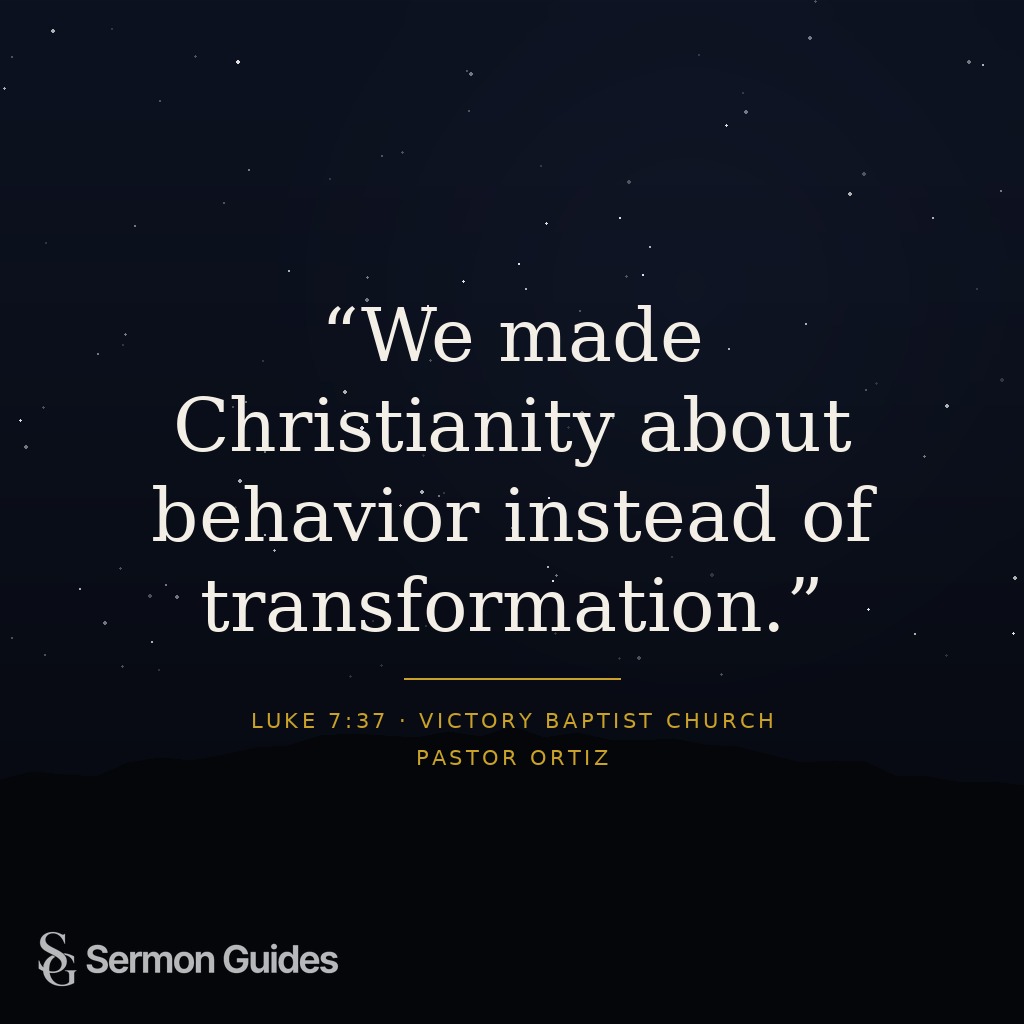
Outward religious performance can never substitute for a heart genuinely transformed by Jesus. The Savior looks past mere religious checklists to heal, forgive, and change us from the inside out. Connect with us this week at Victory Baptist Church and experience the transforming grace of Christ.
#WhatChanged #VictoryBaptistChurch #Transformation #HeartChange
Post it on Facebook
Then attach the saved picture and paste the caption into a new post.