September 24, 2026
Conflict of Interest
Psalm 3; 2 Samuel 3:2; Joshua 13:13; Amos 3:3; 2 Samuel 13–18
Preaching from Psalm 3, the speaker highlights God as a shield, sustainer, deliverer, and especially “the lifter” who raises people in distress. David’s song was written while fleeing his son Absalom, so its words of trust and praise arise from deep pain, betrayal, and uncertainty. The sermon encourages believers to praise God even in the middle of hardship, trusting him before they see the outcome.
The message uses David’s family conflicts to warn that unresolved compromise and tolerated wrongdoing can bring painful consequences across generations. David’s failure to address Amnon’s abuse of Tamar helps set the stage for Absalom’s revenge and rebellion. The preacher urges listeners to examine their relationships and commitments, welcome loving correction, and choose conviction over compromise.
The sermon then points to Jesus as the greater David: though humanity rebels, Christ leaves his throne and gives his life so that sinners may receive mercy and come home to God. At the cross, justice and mercy meet; through Jesus, God forgives, restores, and lifts the repentant. The message closes with an invitation to return to God and receive Christ as Lord.
Key takeaways
- God is a shield and sustainer in seasons of trouble.
- Praise God in the middle of the battle, not only after it.
- Your circumstances do not have the final word; God is the lifter.
- Unaddressed wrongdoing can deepen conflict and harm others.
- Examine the commitments and influences shaping your life.
- Biblical love includes truth, correction, and accountability.
- Choose conviction over compromise, even when it costs you.
- What you tolerate today may affect those who come after you.
- Jesus is the greater David who gave his life to bring sinners home.
- Receive God’s mercy, and let him restore and lift you.
- Day 1Psalm 3:1-6
The One Who Lifts Your Head
Psalm 3 begins with trouble: enemies surround David, and some insist God will not rescue him. Yet David turns his attention to the Lord, his shield, glory, and the one who lifts his head. His confidence does not come from pretending the danger is small. It comes from remembering who God is in the middle of it. The sermon reminds us that God meets people in despair, grief, and uncertainty, and sustains them through the night. We may not see our circumstances change at once, but we can bring our fear honestly to God and ask him for help. The lifted head is not a claim that we are stronger than every trial; it is a sign that our hope rests in the faithful God who hears us and stays near.
- Reflect
- Where do you need God to meet you and lift your head today?
- Prayer
- Lord, be my shield in trouble, hear my cry, and lift my eyes to your faithful care.
- Day 22 Samuel 12:1-7; Hebrews 12:5-11
Love That Tells the Truth
David’s story includes moments when he failed to confront wrongdoing in his own household, and the consequences reached far beyond him. The sermon calls us to consider how fear, self-interest, or attachment can make us tolerate what harms others and dishonors God. Yet correction is not the opposite of love. Scripture presents God’s discipline as the care of a Father who wants his children to grow in holiness and life. Receiving correction can sting, but it can also open a way toward repentance and repair. This does not give us permission to shame or control one another; truth must be spoken with humility and care. Ask God to show you where you need to change, and to help you receive wise counsel without defensiveness. His grace does not excuse sin, but it does invite us to turn back.
- Reflect
- What truth or wise correction might God be asking you to receive?
- Prayer
- Father, give me humility to hear truth, courage to repent, and love that seeks what is good.
- Day 3Joshua 13:13; Galatians 6:7-9
Choose What You Carry Forward
The sermon connects Israel’s failure to drive out the people of Geshur with later consequences in David’s family. The Bible’s stories invite careful reflection: choices made in one season can shape what follows, though they do not make us helpless or determine every outcome. We are responsible for the faithfulness available to us today. Some patterns, loyalties, or habits may seem harmless now but gradually pull our hearts away from God and harm those around us. Naming them is not about condemning our families or living in fear. It is about asking for God’s wisdom to make faithful choices and to seek help where change is difficult. By the Spirit, we can sow what is good, practice truth, and take steps toward freedom. What we choose today can become a blessing for those who come after us.
- Reflect
- What pattern or commitment do you want, with God’s help, to change for the sake of those who follow you?
- Prayer
- God, show me what needs to change, and help me sow faithfulness, truth, and love.
- Day 4Psalm 3:1-8; 2 Samuel 18:5, 31-33
Prayer in the Middle of the Battle
Psalm 3 is identified as David’s song when he fled from Absalom. David faced danger and heartbreak at the same time: his son had turned against him, and his kingdom was in turmoil. He cried out to God for deliverance while also grieving deeply for his son. This passage does not make every line of David’s prayer an easy model to repeat; it gives us an honest picture of bringing fear, anger, and sorrow before God. Faith does not require us to deny pain or rush to a tidy ending. We can ask God for protection and justice, while entrusting people and outcomes to his wisdom. The Lord is a refuge in the conflict, and his presence can hold us when our feelings are divided and the next step is unclear.
- Reflect
- What pain or conflict do you need to bring honestly before God?
- Prayer
- Lord, receive my honest cries, protect those in danger, and guide me toward your wisdom and peace.
- Day 5Romans 5:6-8; 1 Peter 2:24
Mercy Came to Find Us
The sermon’s closing picture turns from David and Absalom to Jesus, the greater King who gave himself for sinners. At the cross, Jesus did not ignore sin or leave us to rescue ourselves. He bore its cost and opened the way for forgiveness and reconciliation with God. We are not saved because we have earned our way back, but because God loved us while we were still sinners. That mercy is not permission to remain unchanged; it is an invitation to come home, receive grace, and learn a new way of life. Whatever your past holds, you can confess your need and trust Christ. His welcome gives courage to repent, seek help, and take the next faithful step. Remembering mercy also teaches us to extend patience and truth to others without pretending that harm does not matter.
- Reflect
- What would it look like to receive Christ’s mercy and take one step toward him today?
- Prayer
- Jesus, thank you for bearing my sin; welcome me home and teach me to live in your grace.
Open together
- 1.What helps you feel supported when you are facing a difficult season?
- 2.Can you think of a time when someone’s encouragement helped you lift your head and keep going?
- 3.What does the image of God as a lifter mean to you?
Observation
- 1.According to the heading of Psalm 3, what circumstance was David facing when he wrote the psalm?
- 2.What do David’s enemies say about him, and how does David describe God in response?
- 3.What does David say God does for him in verses 3–6?
- 4.What does David ask God to do in verses 7–8?
- 5.In the sermon’s account of 2 Samuel 13–18, what happens between David, Amnon, Tamar, and Absalom?
- 6.How does David respond when his army goes out to face Absalom?
Interpretation
- 1.How does the setting of Psalm 3 shape the way we understand David’s words about God as his shield and the lifter of his head?
- 2.What might it mean to trust that God sustains us when our circumstances have not yet changed?
- 3.The sermon connects David’s tolerance of wrongdoing with a conflict of interest. What dangers can arise when loyalty or self-interest keeps someone from addressing harm?
- 4.How can love and truthful correction work together, rather than correction becoming cruelty or love becoming permission?
- 5.How does the sermon connect Absalom’s story with the Christian message of Jesus taking the place of sinners? What does this connection help us see, and what are its limits?
- 6.What do the psalm’s requests for deliverance and justice teach us about bringing anger and fear honestly to God?
Application
- 1.Where do you need God’s sustaining help or a renewed sense of hope right now?
- 2.Is there a harmful pattern, compromise, or relationship you need to address with wisdom and support? What could a faithful first step be?
- 3.How can you speak truth with love when someone you care about is making harmful choices?
- 4.Are there ways fear of losing approval, influence, or comfort is affecting your convictions?
- 5.What could praising God in the middle of difficulty look like for you this week?
- 6.Who could you invite to walk with you as you seek healing, accountability, or a fresh start?
God Never Forgot You Were His
0:55Even when you rebel, you’re not beyond the love of the Father who came to bring you home.
They Don’t Know Your Context
0:55People may see your praise, but they don’t know the pain, prayers, and battles behind it.
Praise Him in the Middle
0:59You don’t have to wait for the outcome to praise God—you can praise Him right in the middle of it.
Justice Paid, Mercy Released
0:53At the cross, justice was satisfied so mercy could be fully released—and you could be lifted up.
What Looks Like Rejection May Be Training
0:40The assignment nobody wanted for David became the training that prepared him to lead.
Whatever You Face Is No Match
0:44When life pushes you down, remember the God who lifts you is greater than what you’re facing.

God is a shield and the lifter of our heads, even in seasons of opposition. When life weighs you down, turn to the One who sustains you. What has God lifted you through?
#ConflictOfInterest #VasylChurch #Psalm3 #GodOurShield
A difficult assignment can become preparation for what God is shaping in you. Stay faithful where you are, even when the work feels unseen. Share this with someone who needs encouragement today.
#ConflictOfInterest #VasylChurch #Faithfulness #GodsPurpose
Love that avoids truth can leave harmful patterns untouched. Ask God for the courage to speak truth with care and receive correction with humility. What truth do you need to face today?
#ConflictOfInterest #VasylChurch #TruthAndLove #SpiritualGrowth
What we leave unaddressed can shape the future in ways we never intended. Take one faithful step toward confronting what needs to change. Who could walk with you as you do?
#ConflictOfInterest #VasylChurch #Joshua1313 #FaithInAction
A person’s praise can carry a story you cannot see. Make room for others to worship from the middle of their own battles. What has your praise carried you through?
#ConflictOfInterest #VasylChurch #Psalm3 #Worship
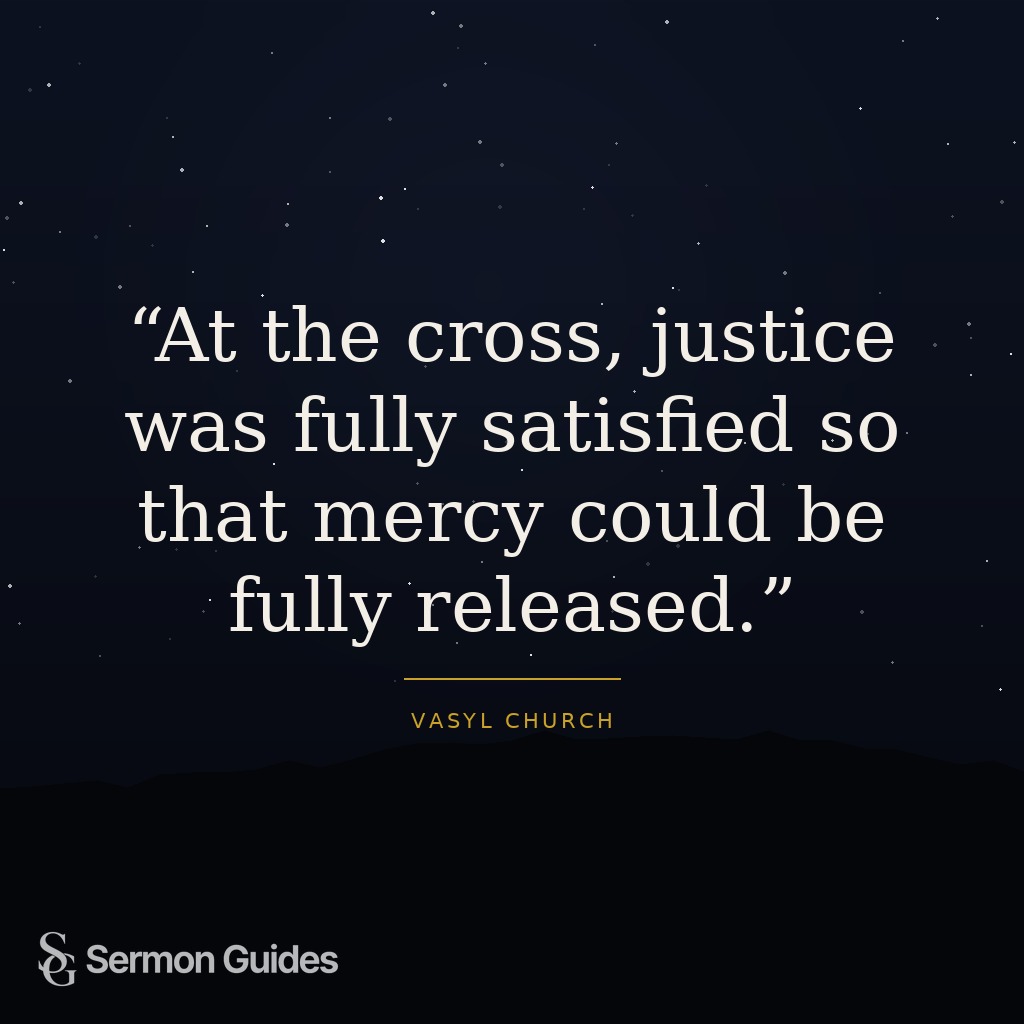
At the cross, the preacher points us to mercy made possible through Jesus. Whatever your past, you can come to God and receive grace. Take a moment to thank Him for mercy today.
#ConflictOfInterest #VasylChurch #TheCross #Mercy