September 23, 2026
Masking Your Pain: Let God Comfort You
2 Corinthians 1:3; 2 Corinthians 4:10; Job 13:15; Psalm 30:5
The sermon teaches that masking pain with forced positivity can keep us from receiving comfort and support. Christians are not exempt from sickness, grief, fear, or hardship. Honest words about suffering let others pray and help, while expressing pain does not mean we have stopped trusting God.
Drawing on Paul’s letters, the woman who reached for Jesus, and the church’s care for one another, the message points to God as the source of comfort. Believers can bring their real circumstances to God without pretense and lean on trusted brothers and sisters. Faith is not a promise of constant earthly health or prosperity; it is trust in God through changing circumstances.
The preacher shares a season of loneliness and despair, describing how prayer, gratitude, and turning attention toward loved ones helped him find renewed hope. The sermon closes by urging believers to use what they have endured to show compassion, encourage others, and give God glory, while remembering that suffering is real and God’s presence is faithful.
Key takeaways
- Honest lament is compatible with genuine faith.
- You do not have to pretend everything is fine.
- Sharing your struggle can invite prayer and practical support.
- God is the source of comfort in suffering.
- Faith trusts God without denying pain.
- The church is called to carry burdens together.
- Suffering does not guarantee healing or earthly prosperity.
- Let your hardships deepen compassion for others.
- Give thanks and praise without hiding your real condition.
- God can use what you have endured to encourage someone else.
- Day 12 Corinthians 1:3-4; Psalm 34:18
Comfort Begins with Honesty
God does not ask us to pretend that suffering does not hurt. Scripture calls him the Father of mercies and the God of all comfort, who meets us in affliction. Naming our pain before God is not a failure of faith; it is a way of bringing our real selves into his presence. Honest words can also help trusted brothers and sisters know how to pray and walk with us. We may still say, “I am blessed,” while admitting, “Today is hard.” These truths belong together: our circumstances may be painful, and God remains near. We do not have to perform strength to earn his care. The Lord sees us as we are, and his comfort is not reserved for those who have everything figured out. Bring him what is true today, even if it comes as a sigh, a tear, or a simple request for help.
- Reflect
- What pain have you been tempted to hide from God or a trusted believer?
- Prayer
- God of all comfort, help me be honest about my pain and receive your care.
- Day 2Mark 5:25-34; Hebrews 4:15-16
Reach for Jesus
The woman who had suffered for years came to Jesus with the little strength she had. Her story reminds us that faith does not require us to feel strong; it turns us toward Christ in our need. She reached for him, and he met her with compassion. We can come to Jesus without polished words or religious performance. He knows our weakness and welcomes us to approach the throne of grace for mercy and help. Sometimes reaching out also means asking someone to pray with us or sitting quietly before the Lord when words are difficult. We do not control when or how an answer comes, and faith is not a guarantee that every hardship will quickly disappear. But Jesus is worthy of our trust in the middle of it. Today, bring him the need you have been carrying and take whatever next step of faith is possible.
- Reflect
- What would reaching for Jesus look like in your situation today?
- Prayer
- Jesus, meet me in my need and give me grace to trust you one step at a time.
- Day 32 Corinthians 4:8-10; Romans 12:15
Let Others Carry Hope with You
God’s care often reaches us through the people he places around us. Paul described hardship honestly, and the early church could see both his affliction and the life of Jesus at work in him. We, too, may tell a trusted person, “I am struggling, and I need prayer.” That kind of honesty gives others a chance to weep with us, listen, and stand beside us. We do not need to claim we understand another person’s experience when we do not. Compassion can begin with listening, acknowledging their pain, and offering faithful presence. Nor does asking for help mean we have stopped trusting God. It can be one expression of trust in the community he has given us. As you share, use wisdom about whom you approach, and remember that pastoral care or qualified professional support may also be part of seeking help. We were not made to bear every burden alone.
- Reflect
- Who is a trustworthy person you could ask to pray or walk with you?
- Prayer
- Lord, help me receive support and give others patient, compassionate care.
- Day 4Romans 8:28; 2 Corinthians 12:9-10
Grace in the Unfinished Story
Suffering is real, and Scripture does not promise that every hardship will end in the way or on the timeline we hope. Yet God is present and at work, even when we cannot see the purpose. Paul pleaded for his burden to be removed and received the Lord’s assurance that grace was sufficient. This does not make pain good or require us to be cheerful about it. It reminds us that weakness cannot place us beyond Christ’s sustaining care. God can bring good from suffering without calling the suffering itself good. He may use what we have endured to deepen compassion, strengthen faith, or help us accompany someone else—but we need not rush to explain another person’s pain. For today, it is enough to ask for grace for this day. We can pray for healing, seek practical help, and entrust the outcome to the faithful God who stays with us.
- Reflect
- Where do you need to ask for God’s sustaining grace while still being honest about what hurts?
- Prayer
- Faithful God, sustain me today and help me trust your presence in what remains unfinished.
- Day 5Job 1:20-22; Psalm 13:1-6
Praise That Makes Room for Lament
Biblical faith has room for both grief and praise. The psalms show people asking, “How long?” and still choosing to remember God’s steadfast love. Job grieved deeply while holding on to God, and Paul described affliction without surrendering hope. Praise is not pretending everything is fine; lament is not turning away from faith. We can tell God what is painful and also name what remains true about his character. Gratitude may begin with something small: a person who prayed, food on the table, or strength to get through this hour. Some days, praise may be only a whispered prayer. There is no need to force a feeling or promise ourselves a particular outcome. We entrust ourselves to God because he is faithful, not because we can see how every chapter will unfold. Let honest sorrow and honest hope meet in prayer today.
- Reflect
- What truth about God can you hold alongside the difficulty you are facing?
- Prayer
- Lord, hear my lament and steady my hope in your faithful love.
Open together
- 1.When you are having a hard day, what helps you feel safe enough to be honest about it?
- 2.Who has encouraged or supported you during a difficult season?
Observation
- 1.According to 2 Corinthians 1:3–4, who is the source of comfort, and what are believers called to do with the comfort they receive?
- 2.In 2 Corinthians 4:10, what does Paul say is seen in believers as they share in Jesus’ suffering?
- 3.What kinds of struggles does the sermon encourage believers to acknowledge rather than hide?
- 4.What did the woman who had suffered bleeding believe Jesus could do for her?
- 5.How did other believers support Deborah when she came to pray at the altar?
- 6.What did the speaker describe doing during a season of loneliness and despair?
Interpretation
- 1.Why might honestly naming our pain be an expression of trust in God rather than a lack of faith?
- 2.How can pretending that everything is fine make it harder for others to pray for and support us?
- 3.What does it mean that God’s comfort meets us in our actual condition, not the condition we wish we were in?
- 4.How can God use a believer’s suffering to comfort or encourage someone else without making suffering itself good?
- 5.How does Paul’s vulnerability challenge the idea that strong faith means constant happiness or earthly prosperity?
- 6.What is the difference between hope in God and denying the reality of pain?
Application
- 1.Is there a struggle you have been minimizing or masking that you could honestly bring to God this week?
- 2.Who is a trusted believer you could ask to pray with you or support you?
- 3.How can you respond with compassion when someone shares pain you have not personally experienced?
- 4.What words do you use about yourself when you make a mistake, and how could you speak truthfully without putting yourself down?
- 5.What practical step could help you keep trusting God while you wait for comfort, healing, or an answer?
- 6.How might you use something you have experienced to encourage someone facing a similar difficulty?
Faith Doesn’t Mean Calling Pain Good
0:41You can be honest that things are bad and still choose to trust God.
You Don’t Have to Pretend You’re Fine
0:48Real comfort starts when we stop masking our suffering and let someone know what we’re carrying.
You Were Never Meant to Carry It Alone
0:57Sharing what hurts can give others a chance to pray and stand with you.
God Meets You Where You Are
0:31You don’t have to pretend to be in a better place for God’s comfort to reach you.
God Doesn’t Waste Your Pain
0:59Healing matters, but God can also use what you’re going through for good.
Stop Calling Yourself Stupid
0:41You can own your mistakes without speaking shame over yourself.
Joy in the Middle of Loss
0:59Two people facing life-changing losses found a way to turn their pain toward helping others.
Sometimes You Need Someone Beside You
0:54A few minutes of prayer and support helped one woman find strength to keep going.
Kids Need Honest Faith, Not a Performance
0:50Children can learn resilience when they see real struggles brought to a real Savior.
God Can Use What Hurts
0:39Suffering may not disappear, but it can still be used for a purpose.

Biblical comfort begins with honesty about pain, not pretending everything is fine. Let someone you trust know what you’re facing so they can pray with you. Share this with someone who needs the reminder that they don’t have to hide their struggle.
#MaskingYourPain #NewHopeChurch #FaithAndComfort
Post it on Facebook
Then attach the saved picture and paste the caption into a new post.
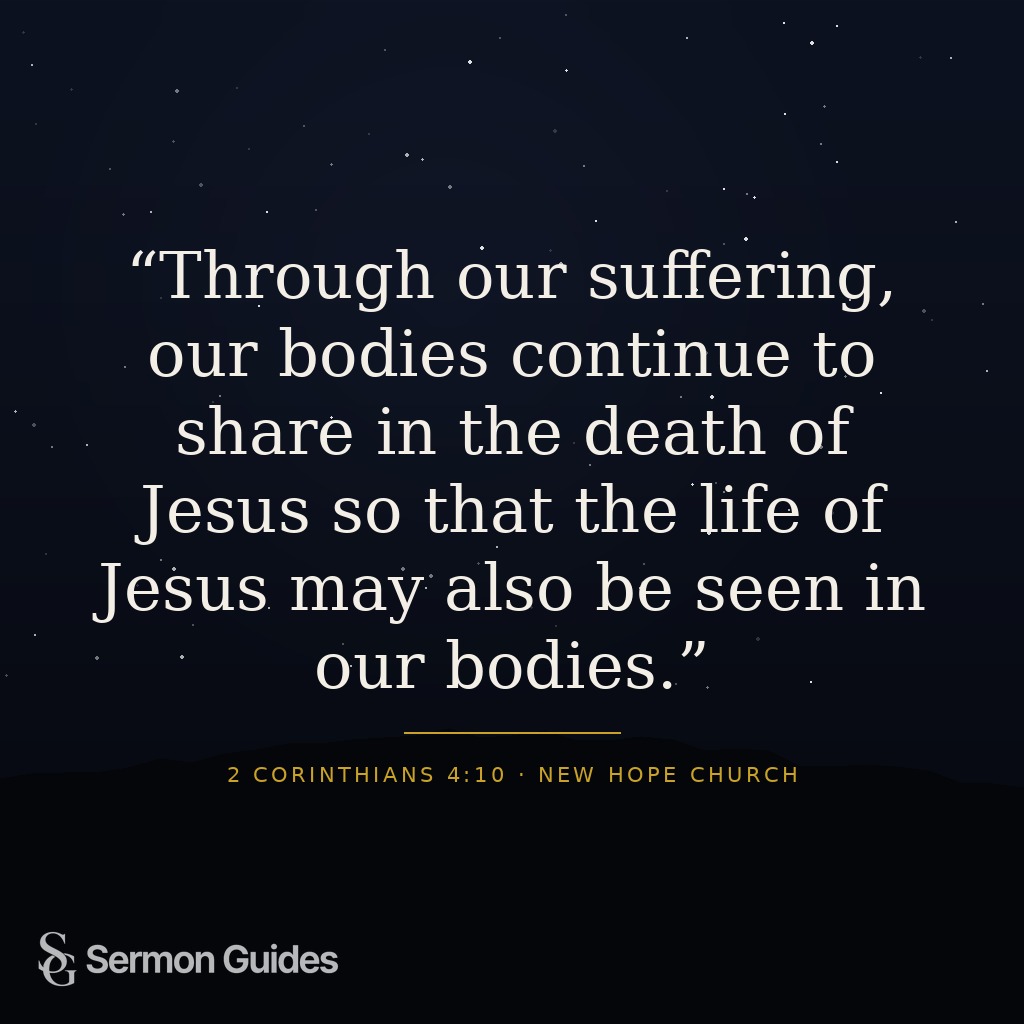
Even in suffering, the life of Jesus can be seen in us. Bring what you’re facing to God and let trusted believers walk alongside you. Join us as we reflect on finding God’s comfort in hard seasons.
#MaskingYourPain #NewHopeChurch #2Corinthians
Post it on Facebook
Then attach the saved picture and paste the caption into a new post.
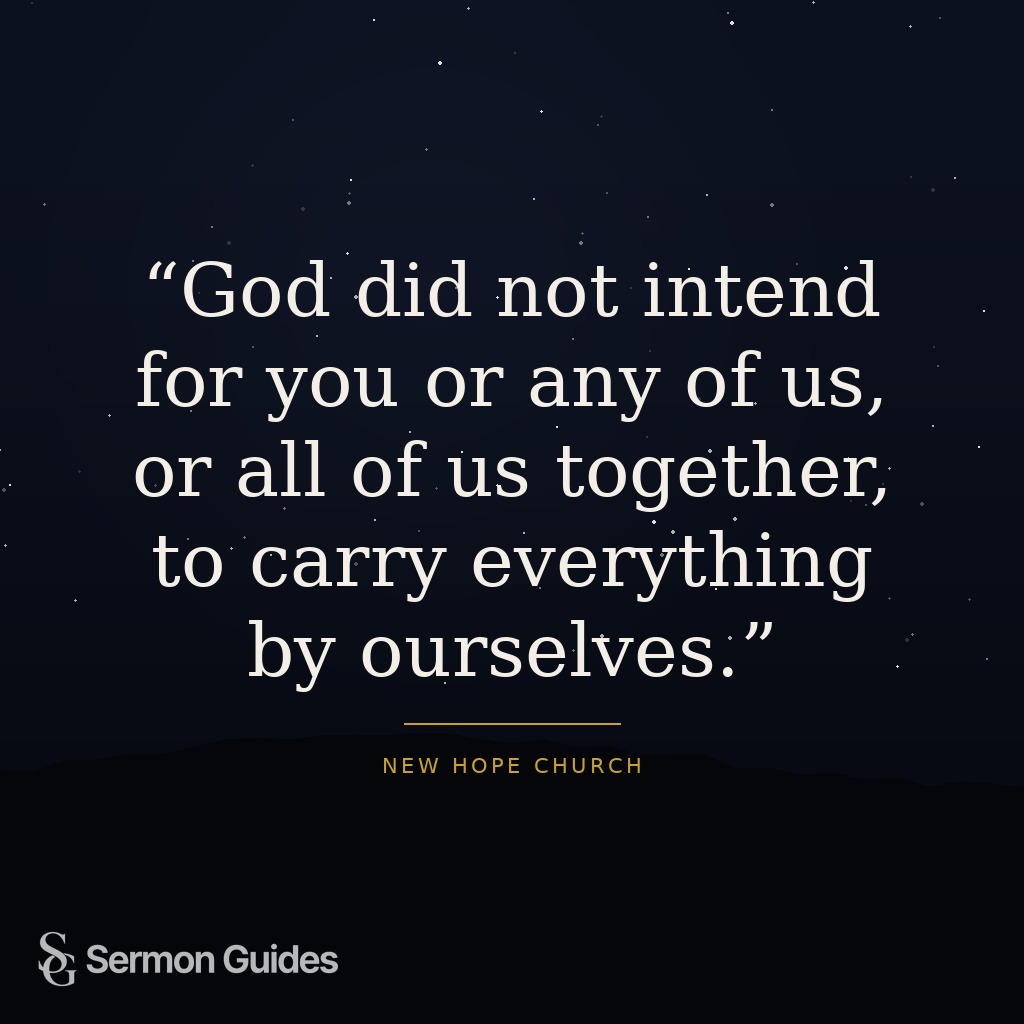
You were never meant to carry every burden alone. Ask God for help and reach out to a brother or sister in faith for prayer. Share this reminder with someone who could use support today.
#MaskingYourPain #NewHopeChurch #YouAreNotAlone
Post it on Facebook
Then attach the saved picture and paste the caption into a new post.

God meets us where we truly are, not where we think we should be. You can be honest about how you feel and still trust Him. Come hear more about receiving God’s comfort in every season.
#MaskingYourPain #NewHopeChurch #GodsComfort
Post it on Facebook
Then attach the saved picture and paste the caption into a new post.
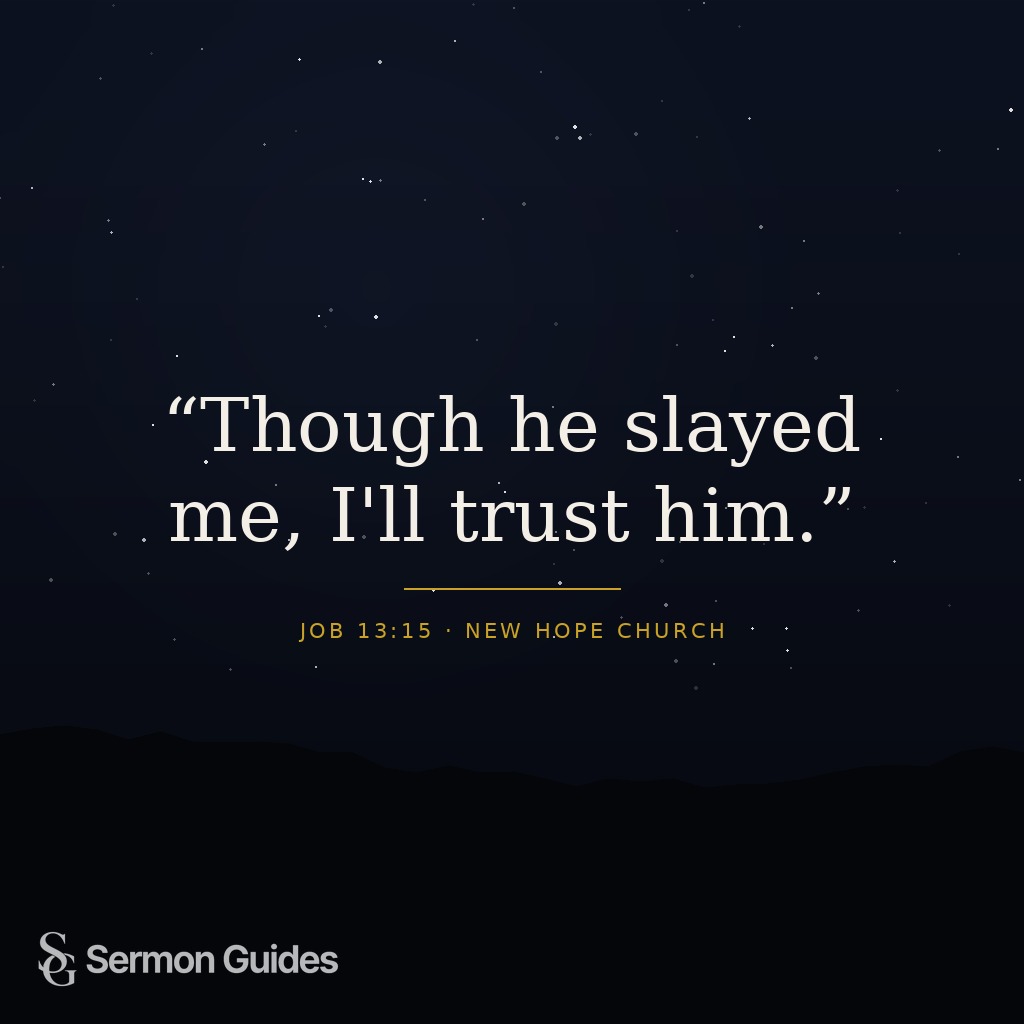
Trust in God can remain firm even when life hurts. Tell Him honestly what you’re going through, and keep leaning on Him through it. Share this with someone who needs encouragement to keep trusting.
#MaskingYourPain #NewHopeChurch #TrustGod
Post it on Facebook
Then attach the saved picture and paste the caption into a new post.
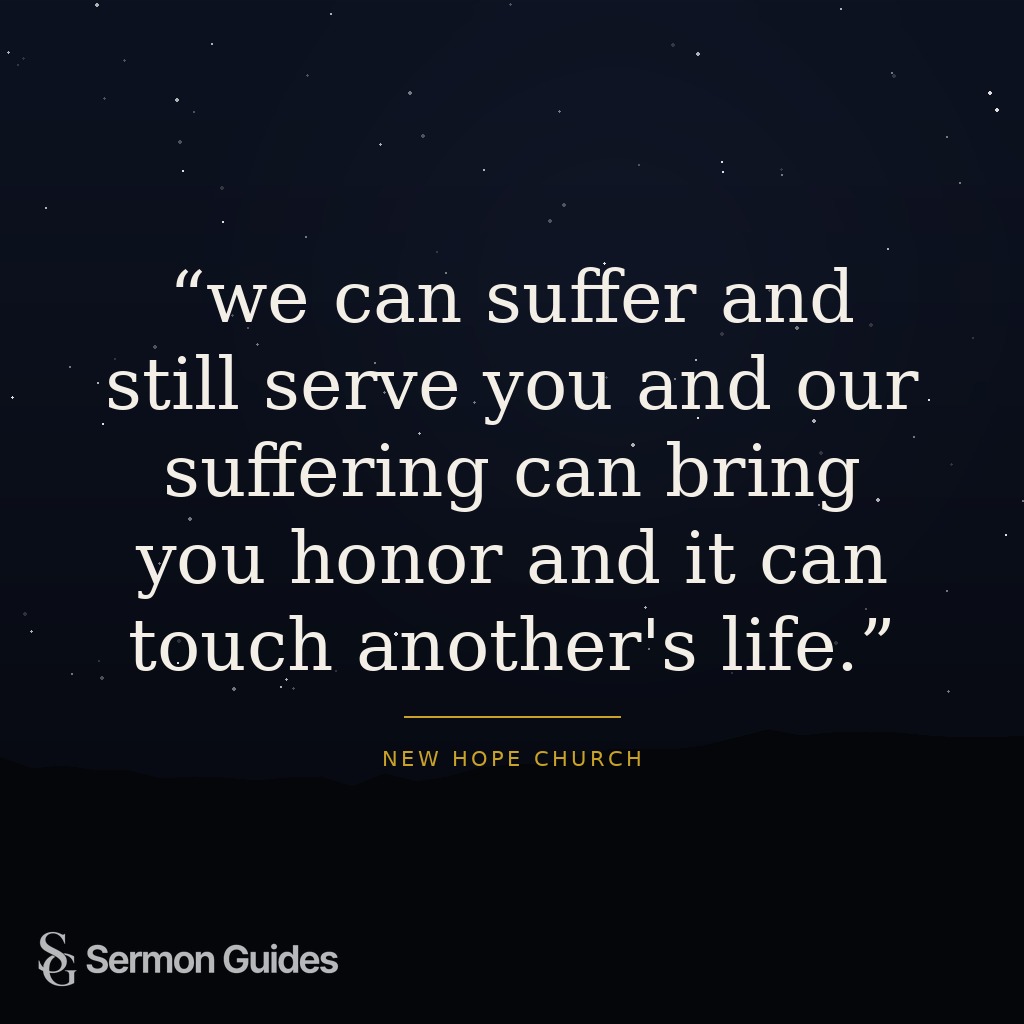
Suffering does not have to make your faith meaningless; God can use your story to encourage someone else. Keep bringing your pain to Him and let others stand with you. Join us as we seek God’s comfort together.
#MaskingYourPain #NewHopeChurch #HopeInHardTimes
Post it on Facebook
Then attach the saved picture and paste the caption into a new post.