September 27, 2026
Why Jesus Christ Is So Worthy
Isaiah 53; Psalm 22; Galatians; Ephesians 2; Revelation; Matthew
The preacher sets aside his prepared sermon to read Isaiah 53 and Psalm 22, inviting the congregation to consider why Jesus is worthy of praise. He proclaims that Jesus suffered and died for human sin, fulfilling Scripture, and that God raised him from the dead.
The sermon presents salvation as God’s gracious plan, accomplished through Christ and applied by the Holy Spirit. The preacher contrasts outward religion and self-improvement with repentance, faith, and surrender to Jesus, emphasizing that people cannot save themselves.
He urges listeners to examine whether they truly belong to Christ and to respond to him with humility and trust. The service closes with prayer and an invitation to come to Jesus or praise him in gratitude.
Key takeaways
- Isaiah 53 portrays the suffering servant bearing the sins of others.
- Psalm 22 echoes details of Jesus’ suffering and points to God’s vindication.
- Jesus’ death and resurrection are central to the Christian message.
- Salvation is God’s gift, not something earned through religious activity.
- The sermon calls listeners to repentance and faith in Jesus.
- The preacher distinguishes spiritual regeneration from self-improvement.
- The Holy Spirit works through God’s Word to convict and draw people.
- The preacher urges personal assurance of faith, not reliance on outward appearances.
- Christians are encouraged to praise Jesus with gratitude.
- The service ends with an invitation to respond to Jesus.
- Day 1Isaiah 53:4-6; Ephesians 2:1-5
The Shepherd Who Bore Our Sin
Isaiah describes us as sheep who have wandered, each turning to our own way. The prophet does not soften the truth: sin separates us from God, and we cannot undo its damage by our own effort. Yet the passage announces astonishing mercy: the Lord laid our iniquity on his Servant. Jesus bore grief, sorrow, and the judgment our sin deserves. This is not a call to despair, but to honest hope. God meets us in our helplessness and gives life through Christ. We do not earn his rescue by becoming impressive, religious, or self-reliant. We receive it by turning to Jesus in repentance and trust. Consider where you may be relying on your own goodness or strength. The Shepherd who gave himself for sinners is worthy of your confidence; in him, the wandering may come home.
- Reflect
- Where are you tempted to rely on yourself instead of trusting Jesus to carry your sin and lead you home?
- Prayer
- Jesus, thank you for bearing my sin; turn me from my own way and teach me to trust you.
- Day 2Isaiah 53:7-12; 1 Peter 2:22-24
The Suffering Servant
Isaiah portrays the Servant as silent before his accusers, led like a lamb to slaughter. Christians see this prophecy fulfilled in Jesus, who suffered without deceit or violence and gave himself for sinners. His gentleness was not weakness, and his suffering was not an accident. He willingly bore the cost of our rebellion. The cross reveals both the seriousness of sin and the depth of God’s mercy: evil is not brushed aside, but Jesus takes upon himself the burden we could not bear. Because he suffered for us, Peter says, we can die to sin and live for righteousness. His grace does not merely offer relief from guilt; it begins a changed life. We may bring our shame, failures, and fears to the Savior who understands suffering and has made a way to God. Following him means learning his humility and entrusting ourselves to the faithful Father.
- Reflect
- How might Jesus’ willing humility shape the way you respond to suffering or mistreatment today?
- Prayer
- Lord Jesus, thank you for suffering for me; help me entrust myself to God and follow your way.
- Day 3Psalm 22:1, 16-24; Matthew 27:35-46
A Cry Heard by God
Psalm 22 gives voice to anguish: “My God, my God, why have you forsaken me?” Jesus prayed these words from the cross. The psalm’s vivid details echo the suffering he endured, including pierced hands and feet and the casting of lots for his clothing. Yet the psalm does not end in abandonment. It turns toward praise: God has heard the afflicted one, and the people will declare his faithfulness. At the cross, Jesus entered the depths of human suffering to save us. Christians confess that he bore our sin; we should speak of this mystery with humility, not pretend we can fully explain it. The resurrection confirms that suffering and death did not have the final word. When prayer feels difficult or God seems far away, Scripture gives us words for honest lament and reminds us that grief can be brought before him. The God who hears the afflicted is worthy of our hope.
- Reflect
- What honest lament do you need to bring to God, trusting that he hears you?
- Prayer
- God of mercy, meet me in my sorrow and anchor my hope in Jesus, who suffered and lives.
- Day 4Psalm 22:22-24; Romans 4:24-25
The Hope of Resurrection
After the anguish of Psalm 22 comes a declaration of praise among God’s people. The psalmist says that God has not hidden his face from the afflicted, but has heard their cry. The sermon connected this turn to the resurrection: Jesus’ death was not the end. The New Testament proclaims that he was delivered up for our trespasses and raised for our justification. The resurrection is God’s vindication of the Son and the sure foundation of Christian hope. It does not mean every sorrow disappears at once. It means sin and death do not have the last word, and those who belong to Christ have a living hope. So praise is not a denial of pain; it is a response to the God who saves through Jesus. Whether your heart feels full of gratitude or weighed down by trouble, you can turn toward Christ and join the people who proclaim his faithfulness.
- Reflect
- What does Jesus’ resurrection give you reason to hope for in the midst of your present circumstances?
- Prayer
- Risen Jesus, thank you that death is not the end; strengthen my hope and make my life praise you.
- Day 5Ephesians 2:8-10; Matthew 7:21-23
Grace, Not Self-Reliance
Religious activity can be meaningful, but it cannot make us right with God. The sermon’s testimony reminds us that outward involvement and inward trust are not the same thing. Scripture is clear: salvation is by grace through faith, not a result of works, so no one can boast. This does not make obedience unimportant. We are God’s workmanship, created in Christ Jesus for good works; a changed life grows from the gift of grace rather than purchasing it. Jesus also warns against relying on impressive claims or deeds while remaining unknown to him. The fitting response is neither pride nor panic, but humble examination and trust. Have you turned to Christ, resting in what he has done rather than in your record? Ask God to expose false confidence and deepen genuine faith. Those who belong to Jesus can give thanks, serve their neighbors, and praise him—not to earn salvation, but because grace has made them alive.
- Reflect
- What are you relying on for confidence before God—your own record, or the grace of Jesus?
- Prayer
- Father, keep me from boasting in myself; help me trust Christ and live gratefully in the grace you give.
Open together
- 1.What is a song, passage, or moment that helps you focus on Jesus?
- 2.When have you experienced an unexpected change of plans that turned out to be meaningful?
Observation
- 1.In Isaiah 53:3–6, what words describe the servant’s suffering, and whose burdens does he bear?
- 2.According to Isaiah 53:7–9, how does the servant respond to suffering, and what details are given about his death?
- 3.In Psalm 22:1–18, what images describe the speaker’s anguish and the treatment he receives?
- 4.What change do you notice in Psalm 22:19–31, especially after the words, “You have answered me”?
- 5.What does the sermon say about the speaker’s former religious activity and the change he experienced?
- 6.What response does the sermon invite from those who hear the gospel?
Interpretation
- 1.How do Isaiah 53 and Psalm 22 help explain the meaning of Jesus’ suffering and death?
- 2.What does it mean to say that Jesus bore the sins and sorrows of others?
- 3.How does the movement from anguish to praise in Psalm 22 shape our understanding of hope?
- 4.The sermon contrasts religious activity with regeneration. How would you explain that distinction from the passages discussed?
- 5.What do repentance and faith mean in the sermon, and how do they relate to God’s grace?
- 6.How can we speak carefully about salvation as God’s gift while also calling people to respond to Jesus?
Application
- 1.What helps you rely on Jesus rather than on your own religious effort or goodness?
- 2.Is there an area of pride, self-reliance, or sin you need to bring honestly before God?
- 3.How might remembering that Jesus bore sin deepen your gratitude or change your choices this week?
- 4.What question or uncertainty about faith would you like to discuss with the group or bring to a trusted Christian?
- 5.Who could you encourage with the hope of Jesus’ suffering, resurrection, and invitation to trust him?
God Took Your Place
0:55A startling explanation of the cross: Jesus was treated as a sinner so repentant believers could be welcomed like the Son.
Salvation Was Planned Before You
0:50The sermon reframes salvation as God’s plan from before the world began—not a last-minute response to human failure.
Religion Didn’t Make Me a Christian
0:54He was active and religious, but says everything changed when he finally saw himself as God saw him.
Jesus Took My Place
0:30He describes the life, death, and resurrection he could never accomplish for himself—and why Jesus did it for him.
Get the “I” Out and Christ In
0:44Religious activity won’t save you, he warns—because the final question is whether Christ knows you.
You Don’t Need Self-Improvement
0:43The message isn’t to polish your behavior; it’s to stop relying on yourself and see what Christ has done.
Stop Trusting Religion and Works
0:49He urges listeners to come by grace now, because every person will one day stand alone before God.
He Carried the Weight of Us All
0:47A reading from Isaiah moves from our wandering and wrongdoing to the claim that all of it was laid on him.
They Mocked Him at the Cross
0:55The crowd’s taunt—“If you are the Son of God, bring yourself down”—becomes vivid in this retelling of Calvary.
A Psalm Described the Cross
0:43Long before the crucifixion, Psalm 22 laid out a striking description of Jesus’ death, burial, and resurrection.
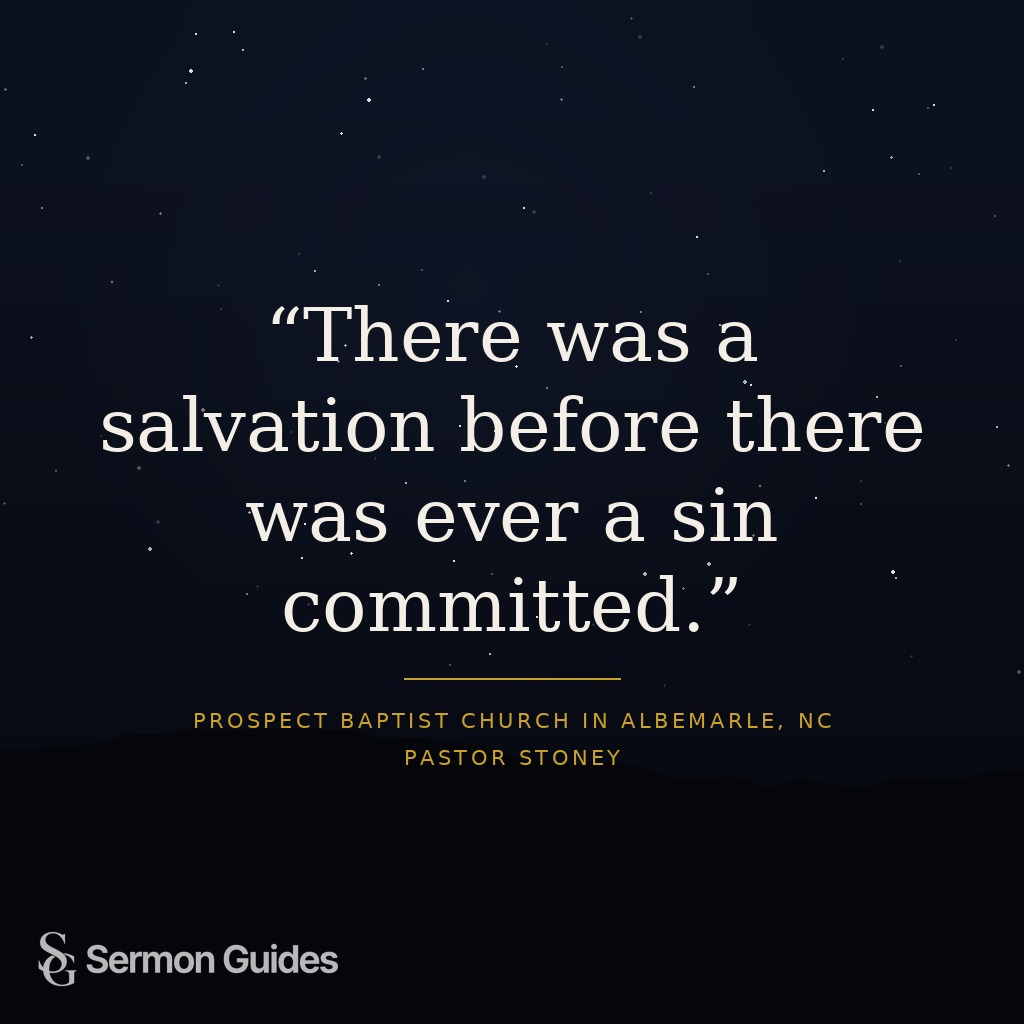
God’s plan to save was not an afterthought. Let this truth remind you that hope is found in Jesus, not in your own strength. Turn to Him today.
#WhyJesusChristIsSoWorthy #ProspectBaptistChurch #JesusSaves
Post it on Facebook
Then attach the saved picture and paste the caption into a new post.
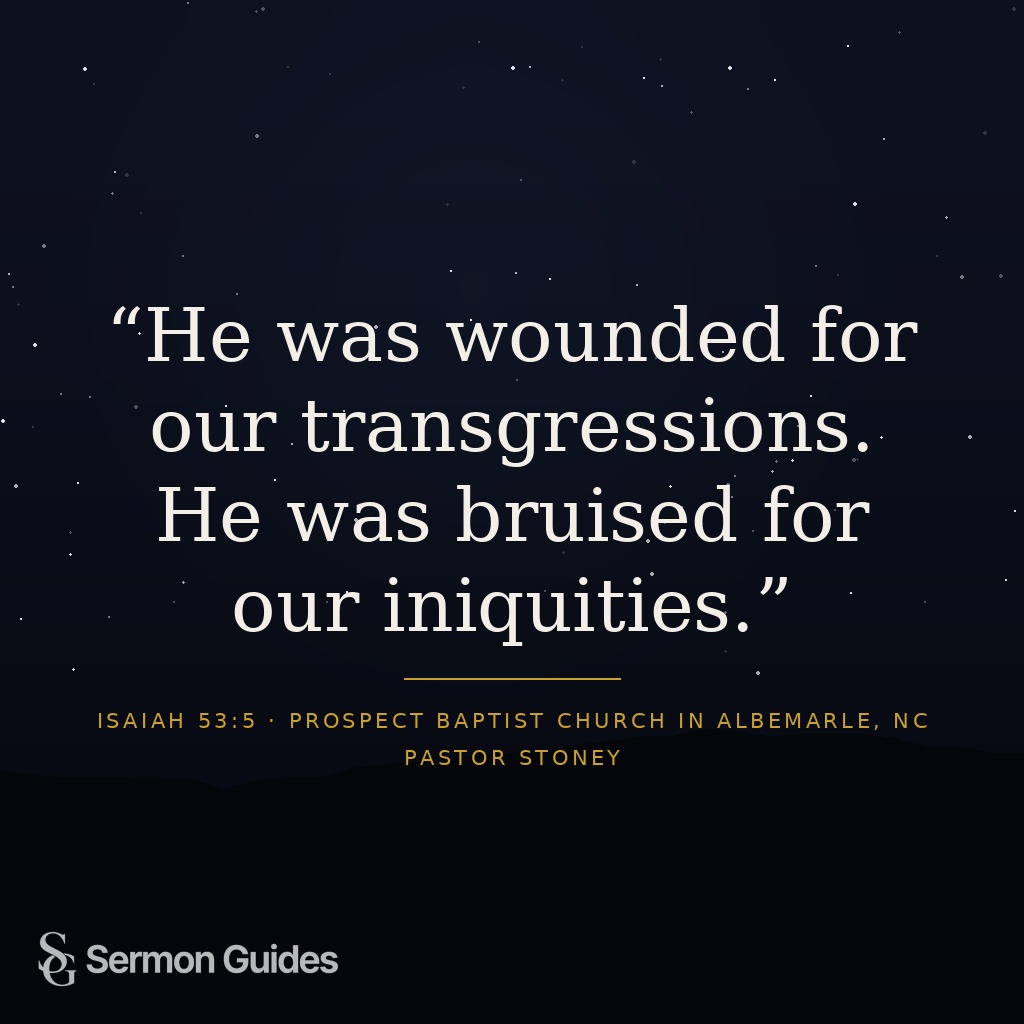
Jesus bore the cost of our sin. Remember His sacrifice when you feel weighed down by guilt, and bring your need to Him. Come to Jesus in repentance and faith.
#WhyJesusChristIsSoWorthy #ProspectBaptistChurch #Isaiah53
Post it on Facebook
Then attach the saved picture and paste the caption into a new post.
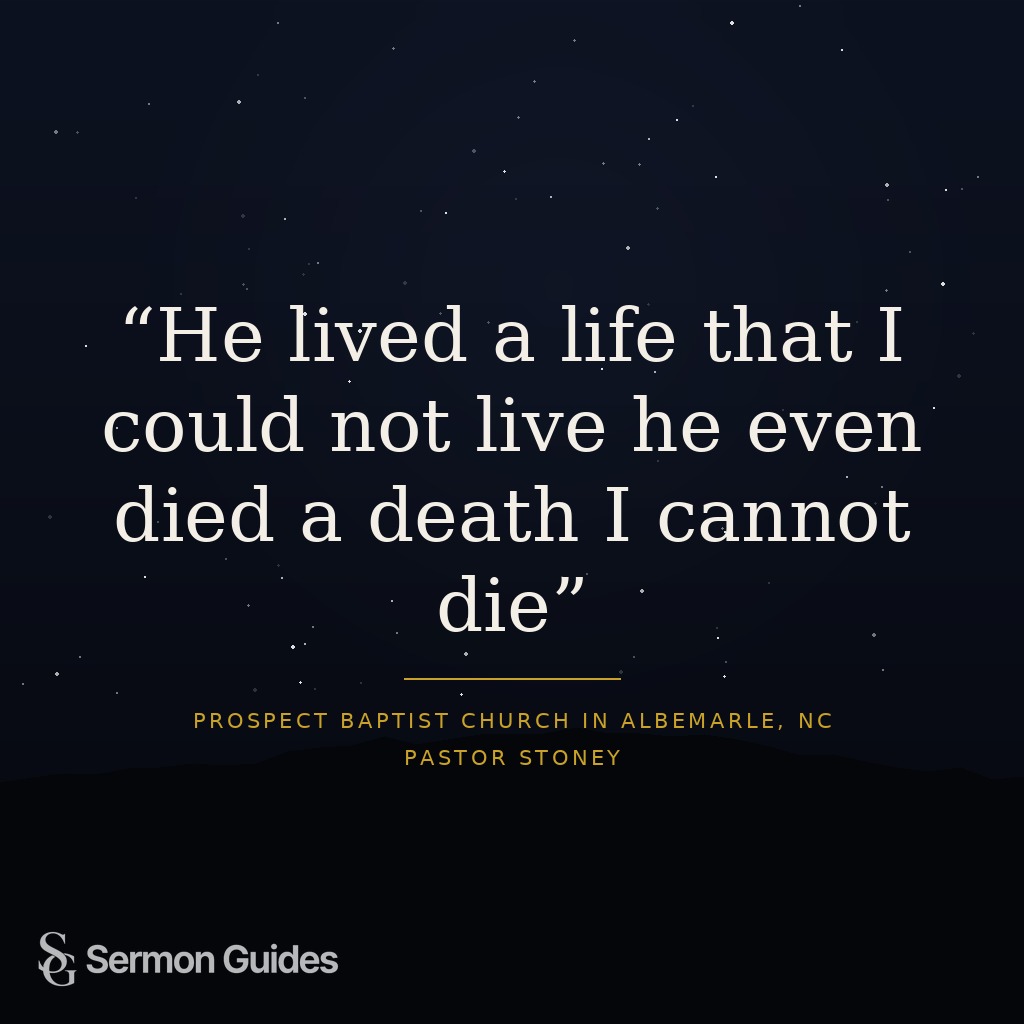
Jesus did for us what we could never do for ourselves. Rest your hope in His finished work, not your own efforts. If you need Him, come to Jesus today.
#WhyJesusChristIsSoWorthy #ProspectBaptistChurch #HopeInJesus
Post it on Facebook
Then attach the saved picture and paste the caption into a new post.
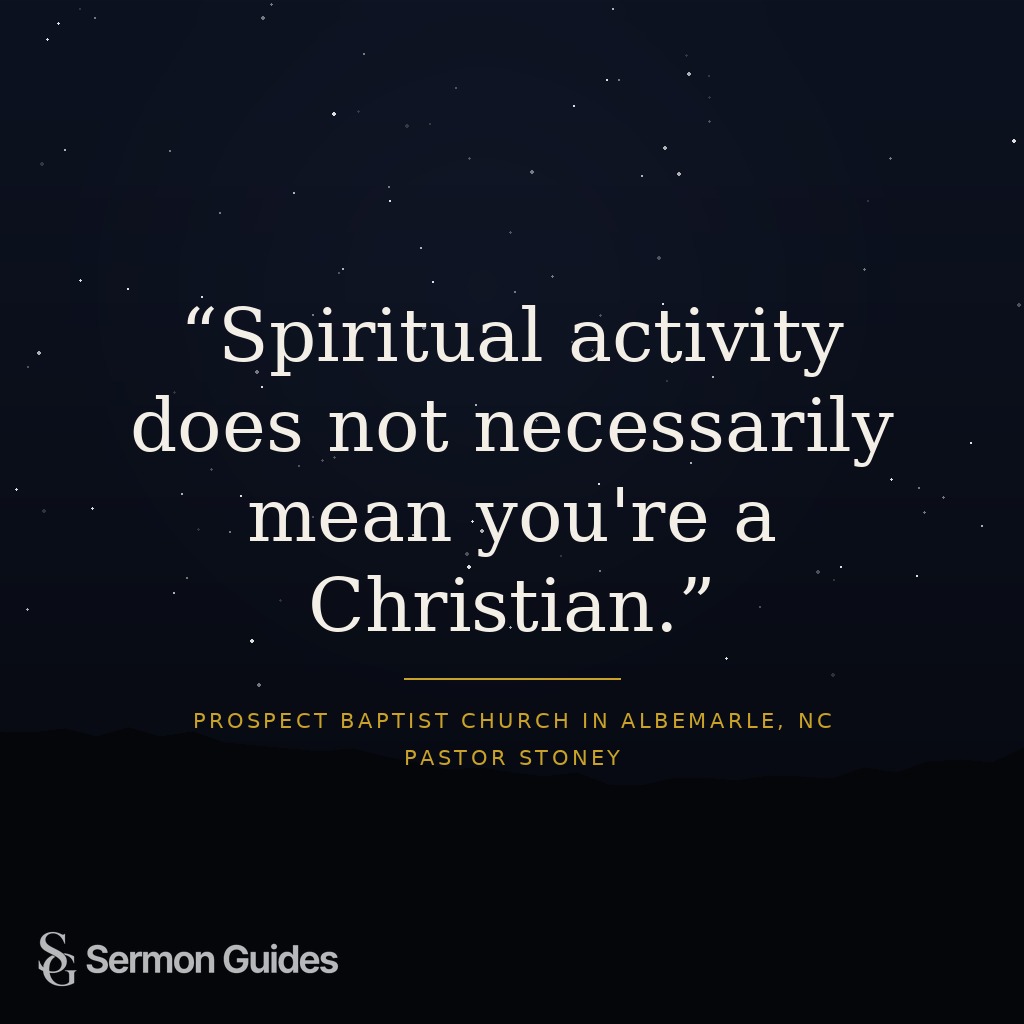
Being involved in church is not the same as knowing Christ. Ask God to search your heart, and look to Jesus as your only hope. Come to Him with an open heart.
#WhyJesusChristIsSoWorthy #ProspectBaptistChurch #FaithInChrist
Post it on Facebook
Then attach the saved picture and paste the caption into a new post.
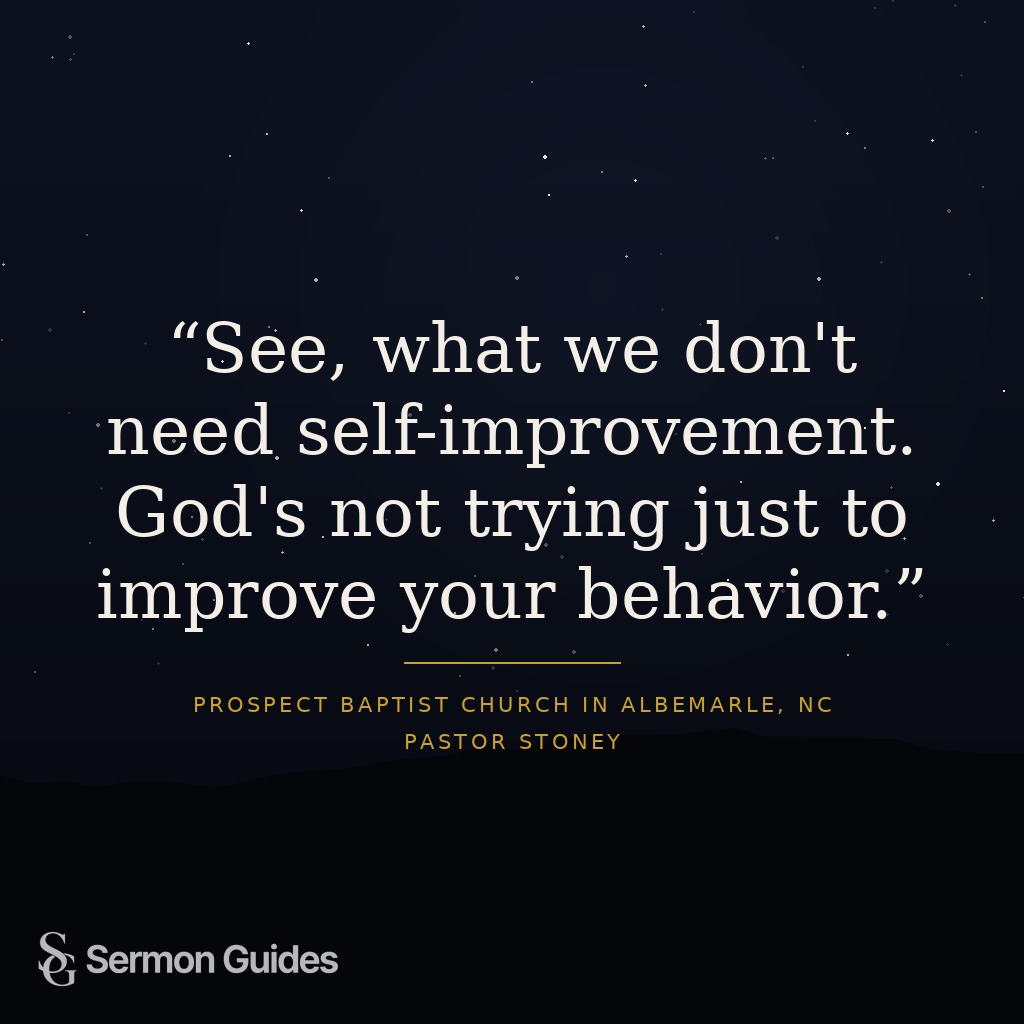
The gospel is more than trying harder or making ourselves better. We need the new life only Jesus gives. Turn to Him and receive His grace.
#WhyJesusChristIsSoWorthy #ProspectBaptistChurch #GraceOfGod
Post it on Facebook
Then attach the saved picture and paste the caption into a new post.
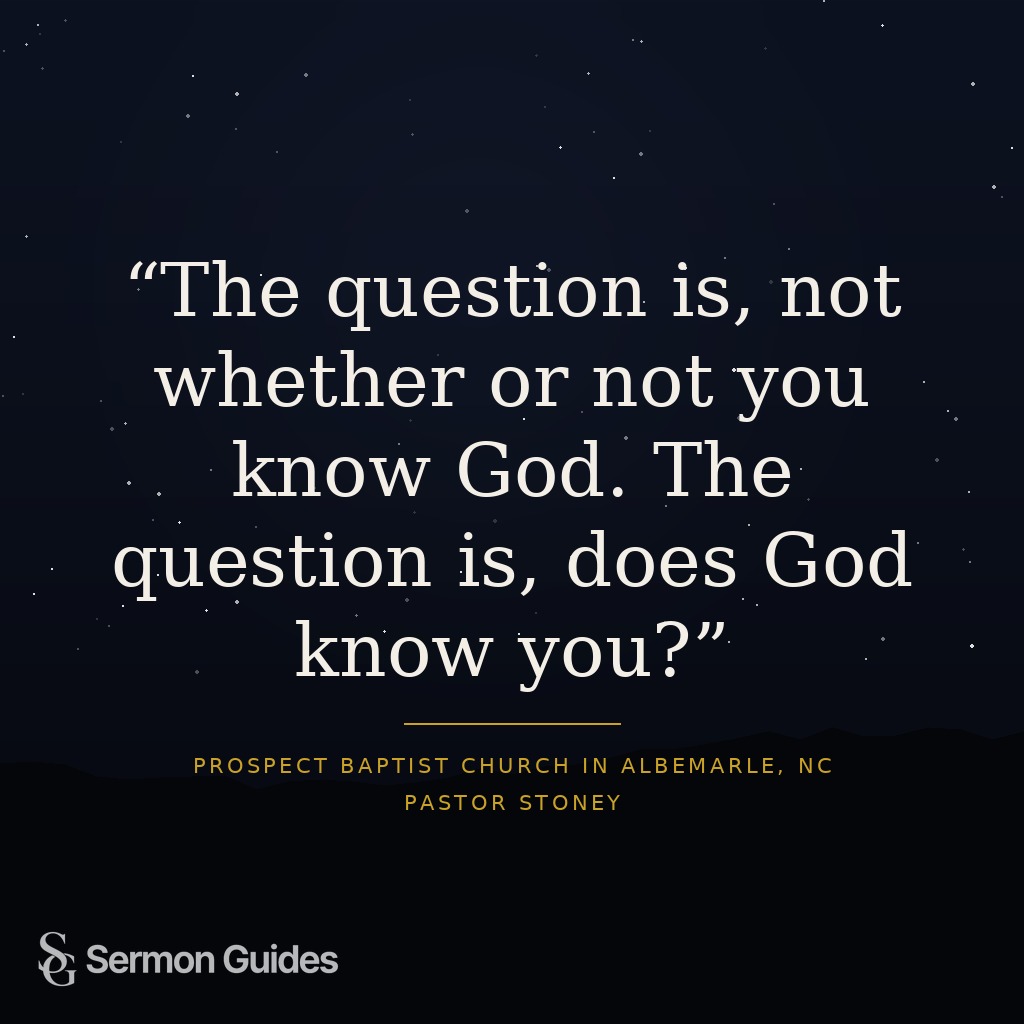
The most important question is whether you belong to Christ. Don’t rely on appearances or religious activity; seek Him with repentance and faith. If you’re unsure, come to Jesus today.
#WhyJesusChristIsSoWorthy #ProspectBaptistChurch #KnowJesus
Post it on Facebook
Then attach the saved picture and paste the caption into a new post.