October 4, 2026
Don’t Drift: Embrace the Calm of God
Hebrews 2:1-4; Psalm 91:1-4; Exodus 33:14; Exodus 22:18; Revelation 18:23; Isaiah 65:3; Galatians 5:19
The sermon warns that spiritual drifting is often gradual. Hebrews 2:1–4 calls believers to pay careful attention to what they have heard, while Psalm 91 and Exodus 33 are used to emphasize God as refuge and the source of rest. The preacher urges listeners to trust God, seek his peace amid turmoil, and keep their lives anchored in Christ.
The message also cautions against habits and influences that pull people from God, including anger, manipulation, occult practices, and entertainment or ideas the preacher views as spiritually harmful. It encourages listeners to set boundaries, avoid seeking guidance from occult sources, and rely on Scripture and the Holy Spirit. The sermon’s discussion of narcissism and subcultures includes strong judgments that listeners should weigh carefully and apply without hastily labeling others.
The sermon closes with encouragement for those who feel broken or have stumbled: God offers grace, restoration, and a way forward. Listeners are invited to confess sin, receive forgiveness, trust in Jesus, and continue in faith, with the assurance that God’s grace is sufficient.
Key takeaways
- Pay careful attention to God’s word so you do not drift.
- Spiritual drifting can happen gradually through quiet habits.
- Seek God’s peace and rest in times of turmoil.
- Keep your hope anchored in Jesus.
- Set wise boundaries around influences that undermine your faith.
- Do not seek spiritual guidance through occult practices.
- Avoid anger and unforgiveness, and pursue a response shaped by faith.
- Be cautious about labeling others; respond with discernment and compassion.
- God offers grace and restoration when you stumble.
- Confess your sins, receive forgiveness, and keep moving forward in faith.
- Day 1Hebrews 2:1-4
Pay Attention to What You’ve Heard
Hebrews warns believers to give careful attention to the message they have received, lest they drift away. Drifting is often quiet: a neglected prayer, a postponed act of obedience, or less time with Scripture. We may not notice the distance growing until we feel far from God. The answer is not panic or self-condemnation, but a renewed attentiveness to God’s voice in Scripture and the help he gives through his Spirit. Return to what is true. Listen again to the promises and instructions you may have heard many times. God’s warning is an expression of care: he calls us to stay close because he knows where neglect can lead. Today, take one small, concrete step toward him—open the Bible, pray honestly, or follow through on an act of obedience you have delayed.
- Reflect
- What quiet habit might be pulling your attention away from God, and what step can you take today to listen again?
- Prayer
- Lord, help me hear your Word with attention and keep my heart close to you.
- Day 2Hebrews 6:19; Psalm 91:1-2
Rest in Your Refuge
The sermon points us to Jesus as the anchor for our souls and to God as our refuge. This does not mean that life will be free of conflict or sorrow. It means that turmoil does not have the final word and that we can bring our unsettled hearts to the Lord. Psalm 91 describes the shelter of the Most High, where the faithful find rest in God’s care. Rest is not pretending every problem is solved; it is entrusting ourselves to the One who remains faithful. When worry rises, pause and remember what God has promised. You do not have to make every outcome happen by force. Ask for wisdom about the next step, then place what you cannot control in God’s hands. His peace can steady you even while circumstances remain difficult.
- Reflect
- What concern are you carrying today that you can honestly entrust to God?
- Prayer
- God, be my refuge and anchor; steady my heart with your faithful presence.
- Day 3Psalm 46:10; Ephesians 4:26-27
Choose a Peaceful Response
Anger and conflict can draw us into reactions we later regret. Scripture does not ask us to deny hurt or call wrongdoing good. It does call us to be careful with anger and not let it become an opening for further harm. Being still before God can create room to respond with wisdom rather than impulse. Sometimes peace means setting a clear boundary; sometimes it means seeking a calm, honest conversation or help from someone trustworthy. It does not mean excusing abuse, ignoring danger, or assuming we can diagnose another person’s character. We are responsible for our own choices, not for controlling someone else. When you feel provoked, pause, pray, and consider what response honors truth and love. God’s presence can help you refuse the cycle of retaliation and take a wise next step.
- Reflect
- When conflict stirs strong feelings in you, what would help you pause and respond truthfully and wisely?
- Prayer
- Lord, quiet my anger, guard my words, and guide me toward a response shaped by your truth and love.
- Day 4Galatians 5:19-23; 1 Thessalonians 5:21-22
Hold Fast to What Is Good
The sermon urges vigilance about influences that pull us from God. Christian discernment is not fear of every unfamiliar style, story, or person. It is the practice of testing what we encounter and holding fast to what is good. Ask whether a habit or influence is cultivating love, truth, self-control, and faithfulness—or drawing you toward harm, deception, or spiritual neglect. Scripture gives us a foundation for that testing, and wise, compassionate believers can help us think clearly. If something troubles your conscience, you can step back, pray, and seek guidance without rushing to condemn others. God calls us to holiness, but also to humility and love. Let your choices be shaped by Christ, not by panic or pressure. Choose what helps you love God and neighbor, and seek support when a pattern feels difficult to change.
- Reflect
- What influence or habit should you examine in the light of Scripture, and whom could you ask for wise support?
- Prayer
- Holy God, give me discernment, humility, and strength to choose what is good.
- Day 51 John 1:9; Philippians 1:6
Get Up and Keep Walking
The sermon closes with the good news that God does not abandon people who stumble. We can confess our sins, receive God’s forgiveness, and continue in faith. Repentance is more than feeling bad: it is turning toward God and seeking a changed path, with his help. If shame has convinced you that you are beyond repair, remember that the gospel announces grace for sinners and hope for those who return. Forgiveness does not always remove every consequence, and repairing harm may take time. But you do not have to face that work alone. Ask God for courage to make amends where appropriate and for support from trustworthy people. The Lord who began his good work in you is faithful. A setback need not become a final destination; by grace, you can rise and take the next step with him.
- Reflect
- Where do you need to receive God’s forgiveness or take a next step toward repairing harm?
- Prayer
- Jesus, thank you for your mercy; help me turn toward you and keep walking in grace.
Open together
- 1.What helps you slow down and find peace when life feels busy or unsettled?
- 2.Can you recall a time when a small, repeated habit had a significant effect on your life or faith?
- 3.What does the image of an anchor suggest to you?
Observation
- 1.In Hebrews 2:1–4, what does the writer urge listeners to do, and what danger does the writer warn about?
- 2.According to Hebrews 2:2–4, how was the message of salvation confirmed?
- 3.What images of rest, refuge, and protection appear in Psalm 91:1–4 as quoted in the sermon?
- 4.What promise does God give Moses in Exodus 33:14, according to the sermon?
- 5.What does Proverbs 5:22 say about the way sin can hold a person captive?
- 6.What response to sin and brokenness does the sermon encourage at its close?
Interpretation
- 1.What might it look like to give careful attention to what we have heard about God rather than drifting from it?
- 2.How can repeated habits shape a person’s faith over time?
- 3.How does trusting God’s presence and promises help someone face turmoil?
- 4.What is the difference between seeking godly peace and avoiding a difficult situation that needs to be addressed?
- 5.How can Christians recognize harmful behavior while avoiding careless labels or judgments about other people?
- 6.How do repentance, forgiveness, and God’s grace relate to getting back up after failure?
Application
- 1.What quiet habit could be weakening your attention to God, and what small step could help you change it?
- 2.What practice could help you listen again to Scripture and remember God’s promises this week?
- 3.Where do you need to seek God’s peace, and is there a wise next step or trusted person who could support you?
- 4.Is there a relationship where you need clearer, respectful boundaries? What might those boundaries look like?
- 5.What do you need to confess to God or receive God’s forgiveness for today?
- 6.Who could you encourage this week with a reminder of God’s presence, hope, or grace?
Broken Things Still Have a Purpose
0:40Feeling broken doesn’t mean you’re finished—God can restore you and use you.
Stop Giving Them Access
0:59You don’t owe everyone another explanation—save your energy for people who care.
Your Best Days Are Ahead
0:37Whatever chaos you’re facing, stop worrying and believe there’s more ahead.
The Power of Being Still
0:33When you feel pulled into control, doing nothing can be the strongest move.
How to Move Forward After Sin
0:30A path forward starts with honesty, repentance, and learning to forgive yourself.
Get Up and Keep Going
0:52Stumbling doesn’t have to end your story—get up and take the next step.
Drifting Away Happens Slowly
0:52People rarely walk away from what matters overnight—the drift often starts with quiet habits.
Praise While You’re Under Fire
0:40One thing the enemy can’t handle is a believer who keeps rejoicing under pressure.
What I Couldn’t Imagine Losing
0:32The speaker says the hardest thought isn’t fear—it’s imagining forever without the light of Jesus.
The Door a Ouija Board Can Open
0:50This testimony warns that seemingly harmless spiritual experiments can have serious consequences.
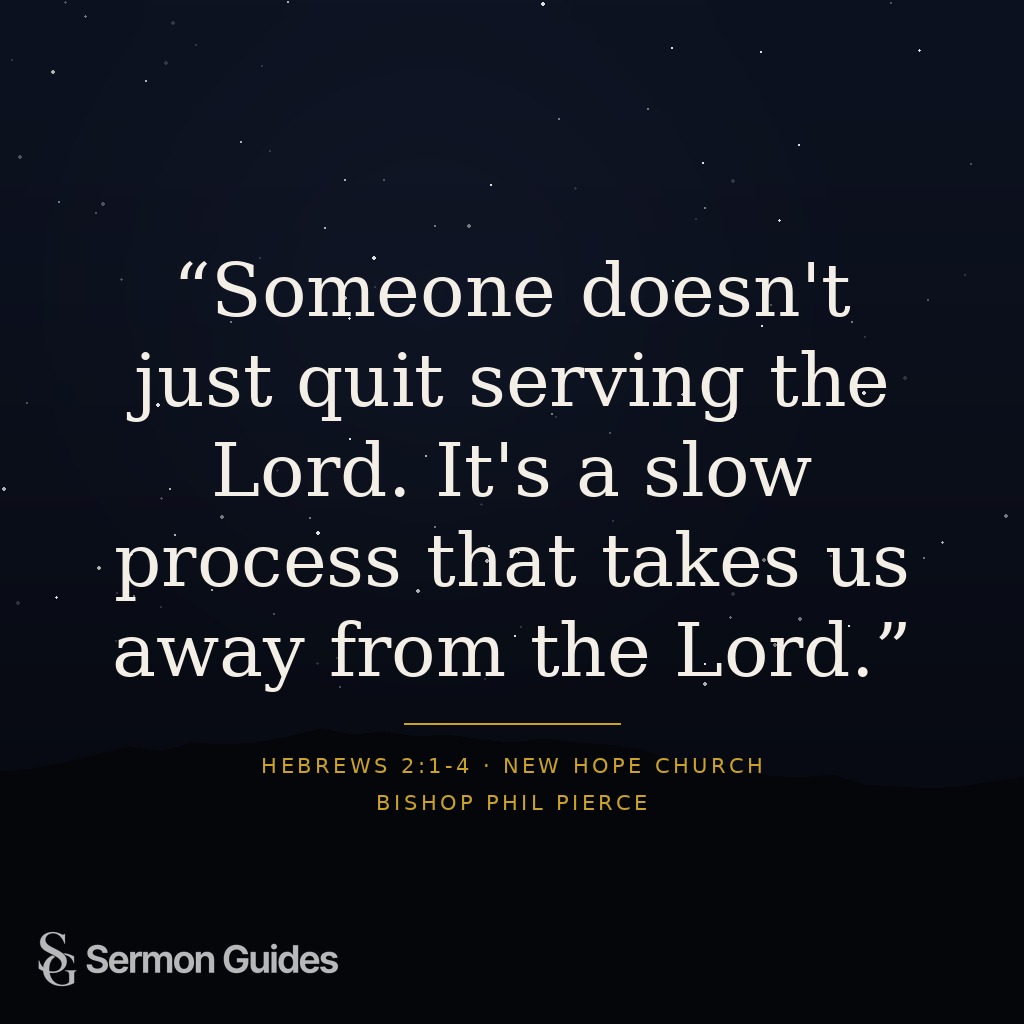
Drifting can happen gradually, through habits we may not notice at first. Take time to listen again to what God has spoken and pay attention to the small steps that shape your faith. What helps you stay anchored to God?
#DontDrift #NewHopeChurch #Faith #StayAnchored
Post it on Facebook
Then attach the saved picture and paste the caption into a new post.

What happened matters, and so does the choice we make afterward. Ask God for wisdom and peace before you respond. What helps you choose your next step with care?
#DontDrift #NewHopeChurch #Wisdom #Faith
Post it on Facebook
Then attach the saved picture and paste the caption into a new post.
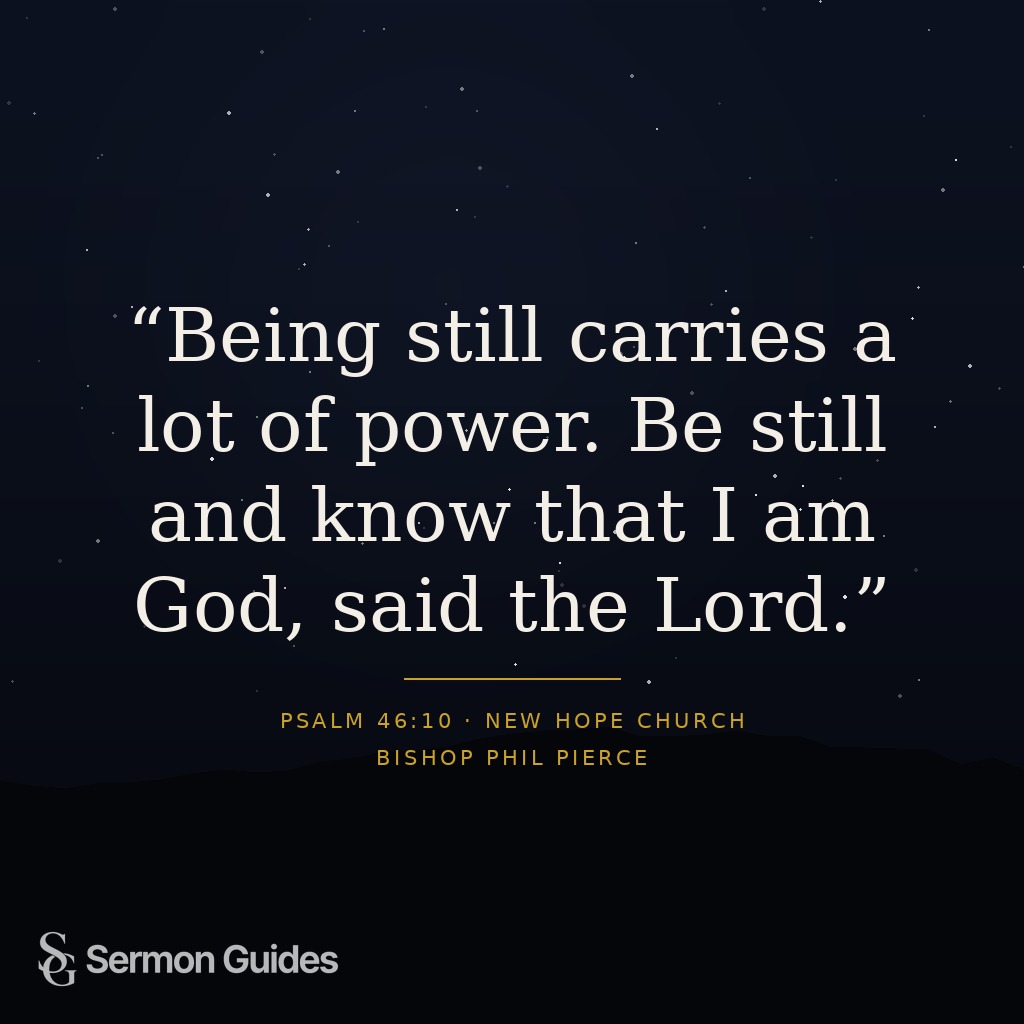
Stillness can be an act of trust when life feels unsettled. Make room to pause, pray, and rest in God's presence. Where could you use a moment of stillness today?
#DontDrift #NewHopeChurch #BeStill #TrustGod
Post it on Facebook
Then attach the saved picture and paste the caption into a new post.
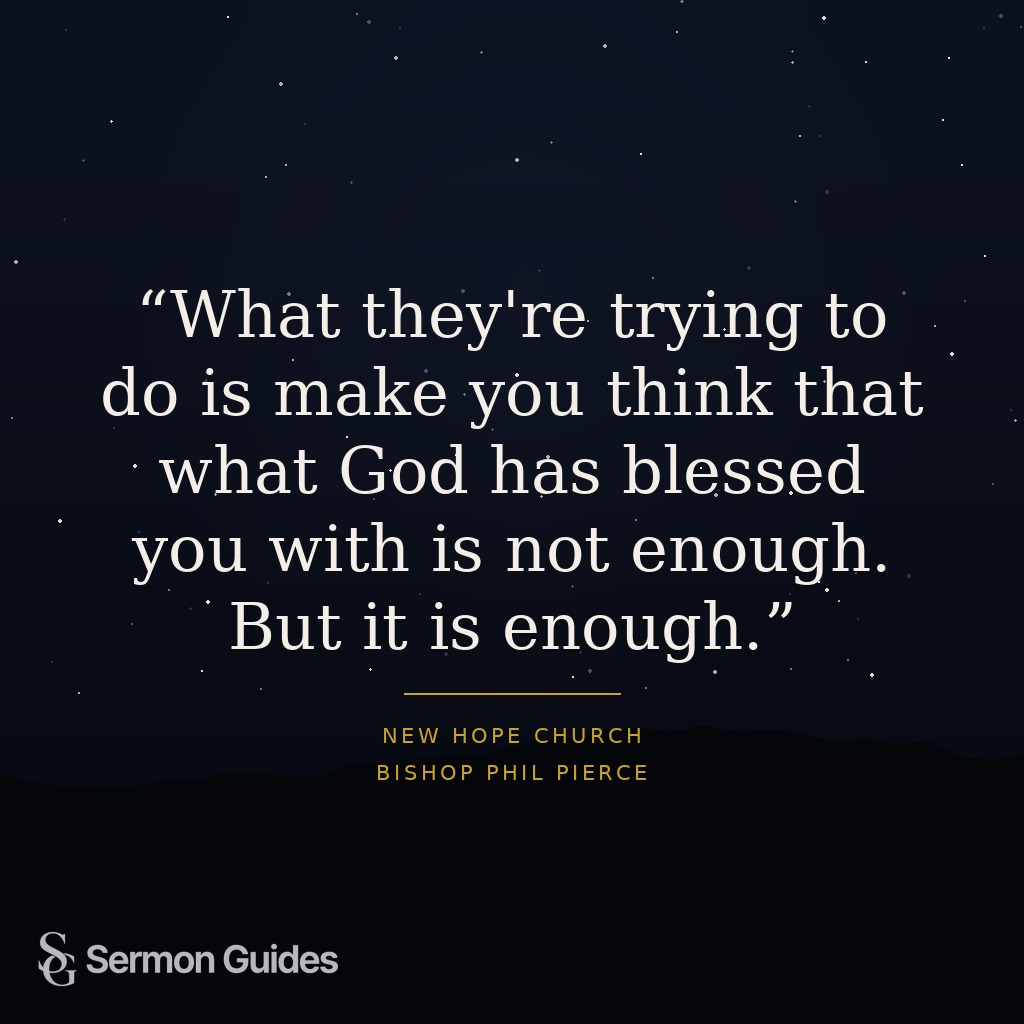
Comparison can make us overlook the good God has already placed in our lives. Practice gratitude for what you have, without measuring it against someone else's. What blessing are you thankful for today?
#DontDrift #NewHopeChurch #Gratitude #Faith
Post it on Facebook
Then attach the saved picture and paste the caption into a new post.
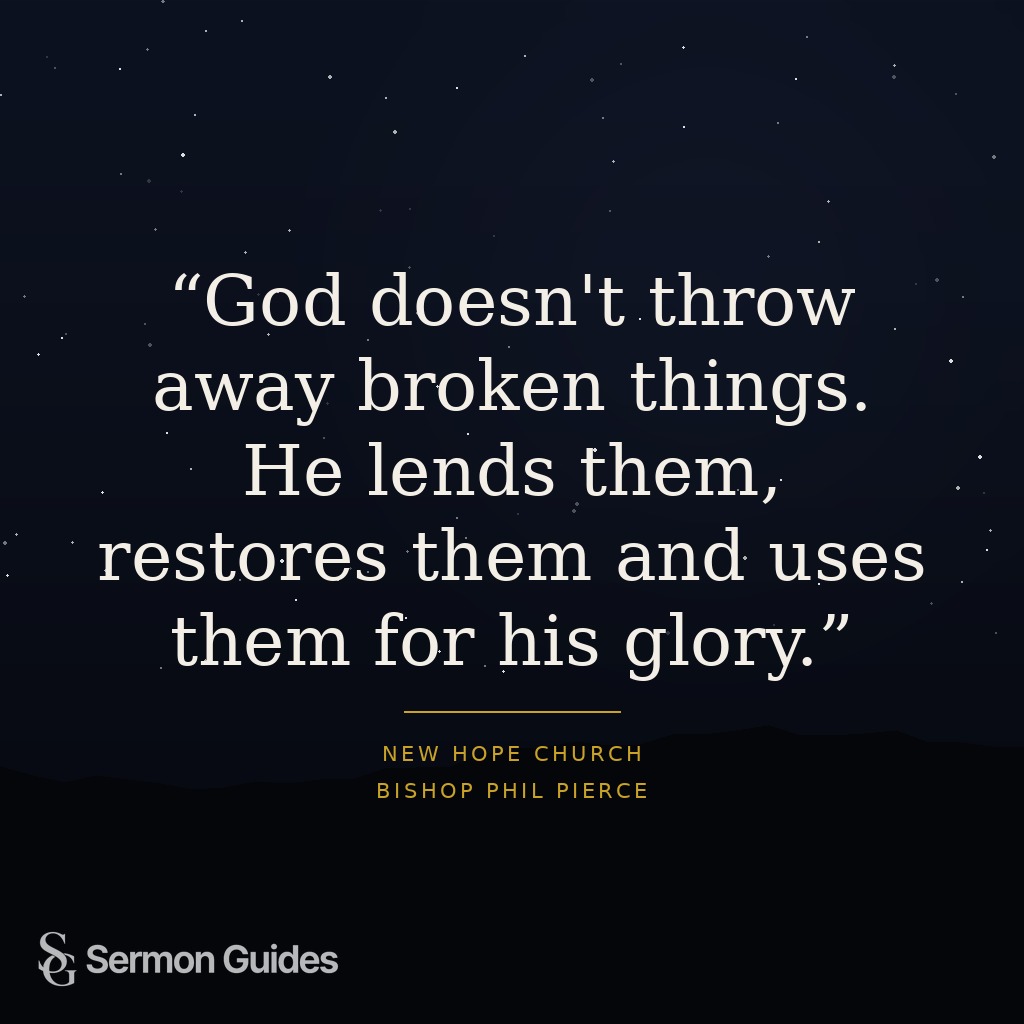
Feeling broken does not mean you are beyond hope or restoration. Bring what hurts to God and take the next step toward healing with support. If this speaks to you, share it with someone who needs encouragement.
#DontDrift #NewHopeChurch #Restoration #Hope
Post it on Facebook
Then attach the saved picture and paste the caption into a new post.
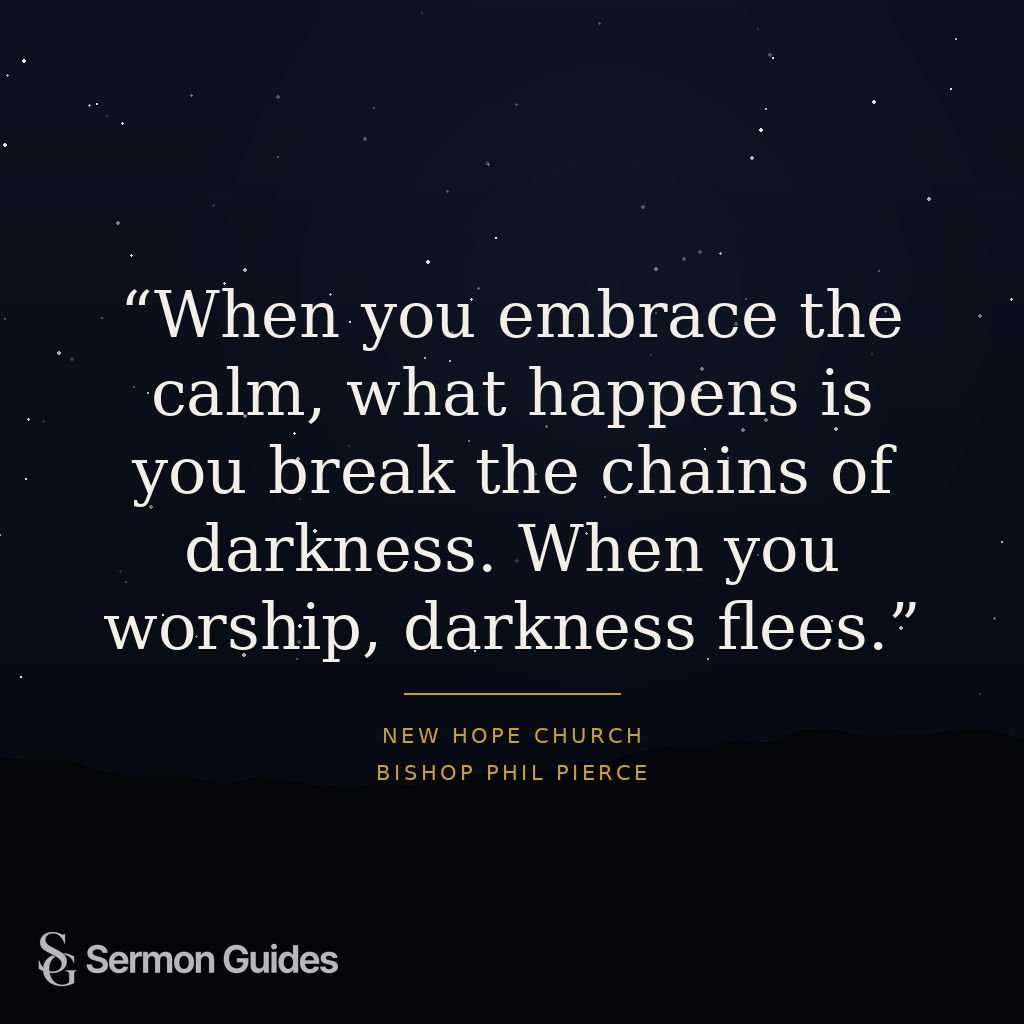
Worship can help us turn our attention back to God when life feels heavy. Make space to pray and praise, even in a difficult season. What song or prayer helps you find calm?
#DontDrift #NewHopeChurch #Worship #GodsPeace
Post it on Facebook
Then attach the saved picture and paste the caption into a new post.