The Name Without the Relationship
Oct 11, 2026 · Sunday AM · Acts 19:11-20
Acts 19:11–20 shows God working through Paul, making clear that the power behind the miracles belonged to God, not to Paul himself. The passage contrasts Paul’s faithful service with the sons of Sceva, who tried to use Jesus’ name without trusting or following him.
The sons of Sceva treated Jesus’ name as a formula for gaining spiritual power. Their encounter with the possessed man exposed the emptiness of that approach and made the authority of Jesus unmistakable. The account warns against treating Christ as a tool rather than honoring him as Lord.
The events led many in Ephesus to respond with reverence, confession, and visible repentance. Those who practiced magic brought their costly books together and burned them, showing that turning to Christ meant leaving their old practices behind.
The passage presents revival as a work that magnifies Jesus and bears fruit in changed lives. Its central lessons are that God alone is the source of spiritual power, genuine faith involves repentance, and Christ must be more than a name we invoke—he must be trusted and followed.
Key takeaways
- God is the source of spiritual power; his servants are instruments.
- Paul’s ministry pointed people to God, not to himself.
- Jesus’ name is not a magic formula or a tool for personal gain.
- Religious knowledge cannot replace a personal relationship with Christ.
- The sons of Sceva’s failure exposed the danger of claiming authority without faith.
- True revival magnifies Jesus rather than human status.
- Genuine faith leads people to confess sin and turn from it.
- Repentance can require costly, public, and concrete choices.
- The Ephesians’ response showed that changed lives bear witness to the gospel.
- Christ calls for our trust and obedience, not merely our words.
Day 1
God Is the Source
Acts 19:11-12; 2 Corinthians 4:7
Acts tells us that God performed extraordinary miracles through Paul. Paul mattered, but he was not the source of the power. He was a servant through whom God worked, and the glory belonged to God. This keeps us from treating ministry as a display of human ability or assuming that one gifted person can accomplish God’s work alone. The same truth encourages us when our own service feels small. We do not need to be impressive; we need to be willing and faithful. God gives strength, wisdom, and fruit according to his purposes. Whether we are caring for someone, sharing the gospel, or praying for a neighbor, we can offer ourselves to God and trust him with the results. Our gifts are not ours to boast in; they are ways to serve the One who gives them.
- Reflect
- Where might God be inviting you to serve faithfully while trusting him with the results?
- Prayer
- God, make me a willing servant, and let the glory for every good work belong to you.
Day 2
More Than a Name
Acts 19:13-16; Matthew 7:21-23
The sons of Sceva tried to use Jesus’ name as though it were a phrase that could guarantee spiritual power. But knowing a name, a story, or religious customs is not the same as belonging to Christ. Their encounter exposes the danger of treating Jesus as a tool for our own purposes instead of receiving him as Lord. This passage invites honest self-examination, not fear that we must earn God’s favor. We are saved by grace through faith, and genuine faith turns us toward Christ in trust and obedience. Prayer in Jesus’ name is not a magic formula; it is an appeal made in dependence on him. We can come to him openly, confess our need, and ask the Holy Spirit to shape our lives. The question is not whether we can use the right words, but whether we are trusting Jesus himself.
- Reflect
- In what area of life are you tempted to seek Jesus’ help without yielding that area to him?
- Prayer
- Jesus, help me trust you as Lord, not treat your name as a shortcut to what I want.
Day 3
Honest Confession
Acts 19:17-18; Psalm 130:3-4
When the people of Ephesus heard what happened, many came forward, confessed, and acknowledged their deeds. Their response shows that God’s work brings truth into the light. Confession is not an attempt to surprise God or persuade him to love us; he already knows us and offers mercy. It is a humble agreement with God about our sin and our need for his grace. We do not have to hide behind excuses, comparisons, or appearances. In Christ, we can be honest and receive forgiveness. Confession can also lead us to seek help, make amends, or change a harmful pattern. Such steps do not purchase salvation, but they can be fitting fruit of repentance. God meets truthful hearts with mercy and begins the work of making us whole.
- Reflect
- What truth about your life do you need to bring honestly before God today?
- Prayer
- Merciful God, give me courage to confess honestly and faith to receive your forgiveness.
Day 4
A Costly Turning
Acts 19:19; Ephesians 4:22-24
Some Ephesian believers brought their books of occult practices together and burned them publicly. Their action made clear that they were turning away from practices they had once relied on. The point is not that every believer must make the same kind of dramatic gesture. Rather, repentance often involves practical choices that help us leave sin behind and follow Christ. We may need to remove a temptation, end a dishonest habit, seek accountability, or repair harm we have caused. Such changes can be costly, but they are responses to grace, not payments for it. The Ephesians’ books had a price; their new allegiance mattered more. Ask God to show you what is drawing your trust away from him. Then take one wise, concrete step toward faithfulness, with support from mature believers when needed.
- Reflect
- What practical step could help you turn away from something that is hindering your walk with Christ?
- Prayer
- Lord, show me what I need to leave behind and strengthen me to follow you faithfully.
Day 5
The Word Prevails
Acts 19:20; Colossians 1:5-6
Acts describes the outcome in striking words: the word of the Lord grew mightily and prevailed. The story is not ultimately about the humiliation of the sons of Sceva or the boldness of Paul. It is about God making the truth of the gospel known, leading people to repentance, and magnifying Jesus. We can be encouraged that God’s purposes do not depend on our status or performance. Our part is to bear witness faithfully, love our neighbors, and remain rooted in Christ. We may not see immediate results, and we cannot control another person’s response. Still, God can use ordinary acts of faithfulness in ways we cannot measure. Ask him to make your words and actions point beyond you to Jesus. Then trust him to grow the seed of the gospel in his time.
- Reflect
- How can your words or actions point someone toward Jesus this week?
- Prayer
- God, let your word take root and bear fruit through my faithful witness to Jesus.
Open together
- 1.When have you seen someone’s actions make a message more believable?
- 2.What comes to mind when you hear the word “revival”?
- 3.Why might people be drawn to spiritual power without wanting a relationship with God?
Observation
- 1.What special miracles did God perform through Paul, according to verses 11–12?
- 2.What did the seven sons of Sceva say when they confronted the evil spirit?
- 3.How did the evil spirit respond, and what happened to the men?
- 4.How did people in Ephesus respond when they heard what had happened?
- 5.What did many believers confess, and what did those who practiced magic do with their books?
- 6.What does verse 20 say about the growth of God’s word?
Interpretation
- 1.What does this passage show about the source of the miracles performed through Paul?
- 2.What is the difference between using Jesus’ name as a formula and trusting and submitting to Jesus?
- 3.Why did the episode with the sons of Sceva lead people to fear God and magnify Jesus’ name?
- 4.What do the believers’ confession and public burning of their books show about repentance?
- 5.How does this account distinguish religious knowledge or heritage from a genuine relationship with Christ?
- 6.In what sense did the word of God “prevail” in Ephesus?
Application
- 1.Are there ways you treat Jesus as someone to call on only when you want a particular result?
- 2.What practices or influences might be distracting you from growing in your faith?
- 3.Is there anything you need to confess honestly before God or a trusted Christian?
- 4.What might repentance require you to change or give up in a practical, visible way?
- 5.How can your life point others toward Christ rather than toward yourself?
- 6.What is one step you can take this week to deepen your relationship with Jesus?
You Can't Fake Spiritual Reality
0:30People may be fooled by a performance, but spiritual reality exposes it.
Jesus Is More Than a Name
0:46Don't treat Jesus like something you pull out only when you need help.
“Who Are You?”
0:37The evil spirit recognized Jesus and Paul—but had no idea who these men were.
Fake Faith Won't Hold Up
0:43You may fool people, but fake faith cannot withstand a spiritual test.
The Strongest Testimony
0:26A changed life is one of the clearest signs of God's power.
Revival Points to Christ
0:50Real revival doesn't make people the focus—it magnifies Christ.
Jesus Is Not a Magic Phrase
0:33Using Jesus' name means nothing if you reject His love and direction.
Do You Know Jesus Personally?
0:26Knowing Jesus' name and story is not the same as knowing Him personally.
Repentance Takes Action
0:57When repentance is real, it can cost you something—and people can see the change.
True Revival Exalts Christ
0:30True revival lifts people spiritually by putting Christ—not people—at the center.
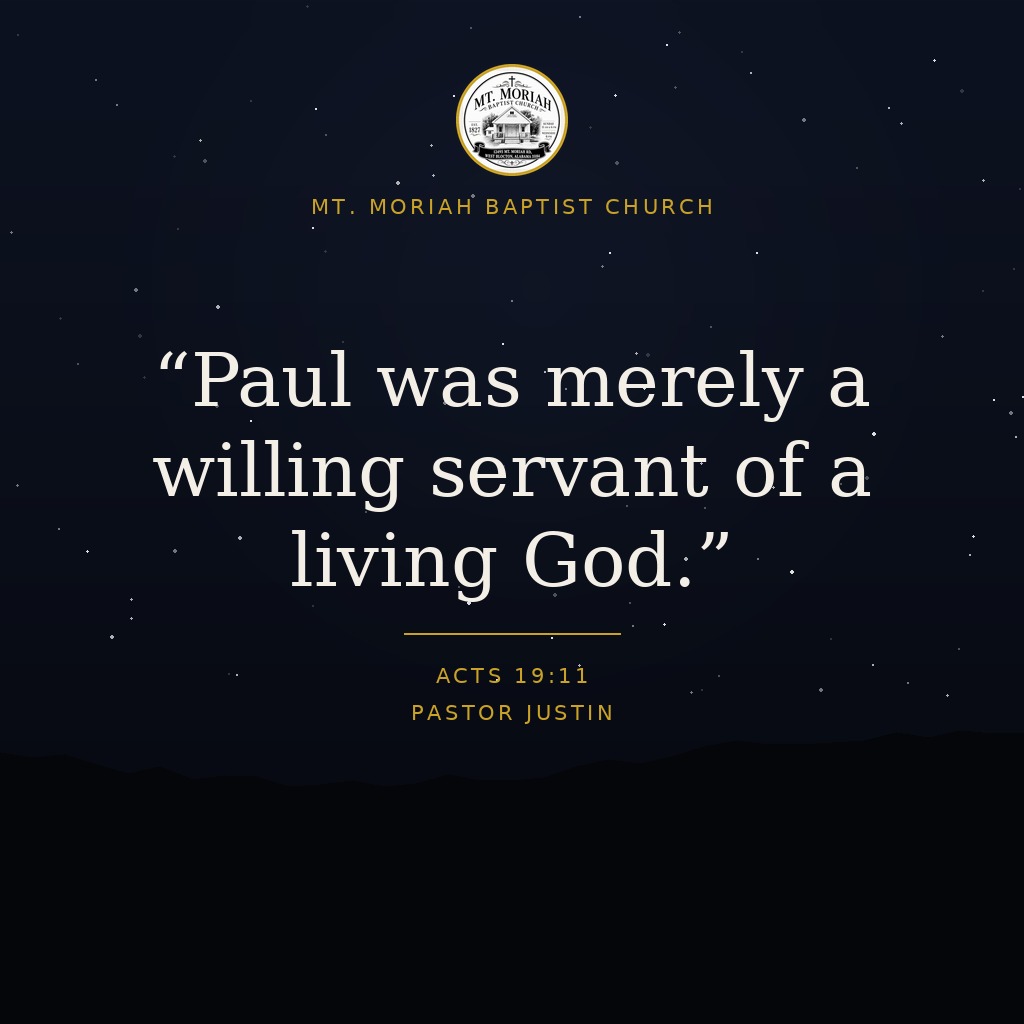
God works through willing servants, and the glory belongs to Him. Ask God to show you where you can serve faithfully today. Join us as we continue growing in His Word.
#TheNameWithoutTheRelationship #MtMoriahBaptistChurch #ServeGod #GodGetsTheGlory
Post it on Facebook
Then attach the saved picture and paste the caption into a new post.
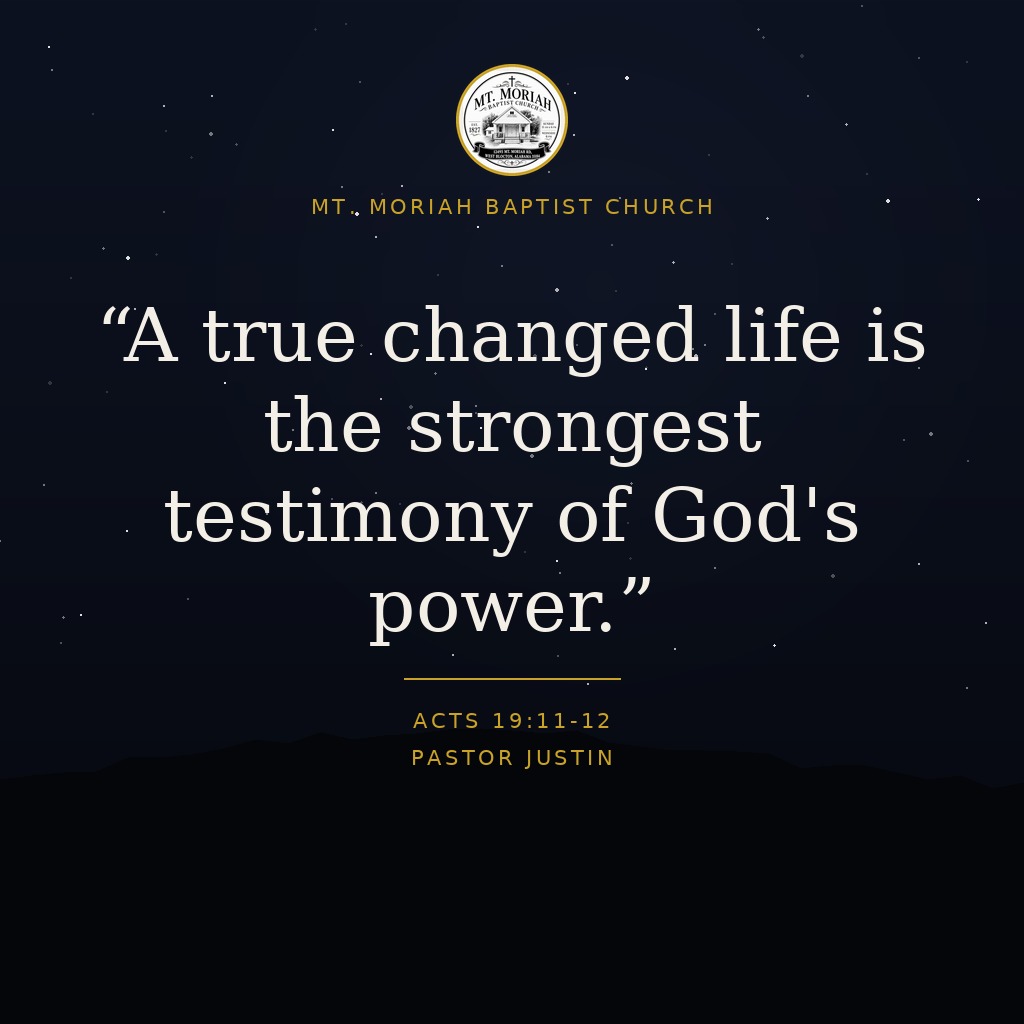
A changed life makes God’s power visible. Let your choices point others toward the hope and transformation found in Christ. Come worship with us and hear more from God’s Word.
#TheNameWithoutTheRelationship #MtMoriahBaptistChurch #ChangedLife #GodsPower
Post it on Facebook
Then attach the saved picture and paste the caption into a new post.
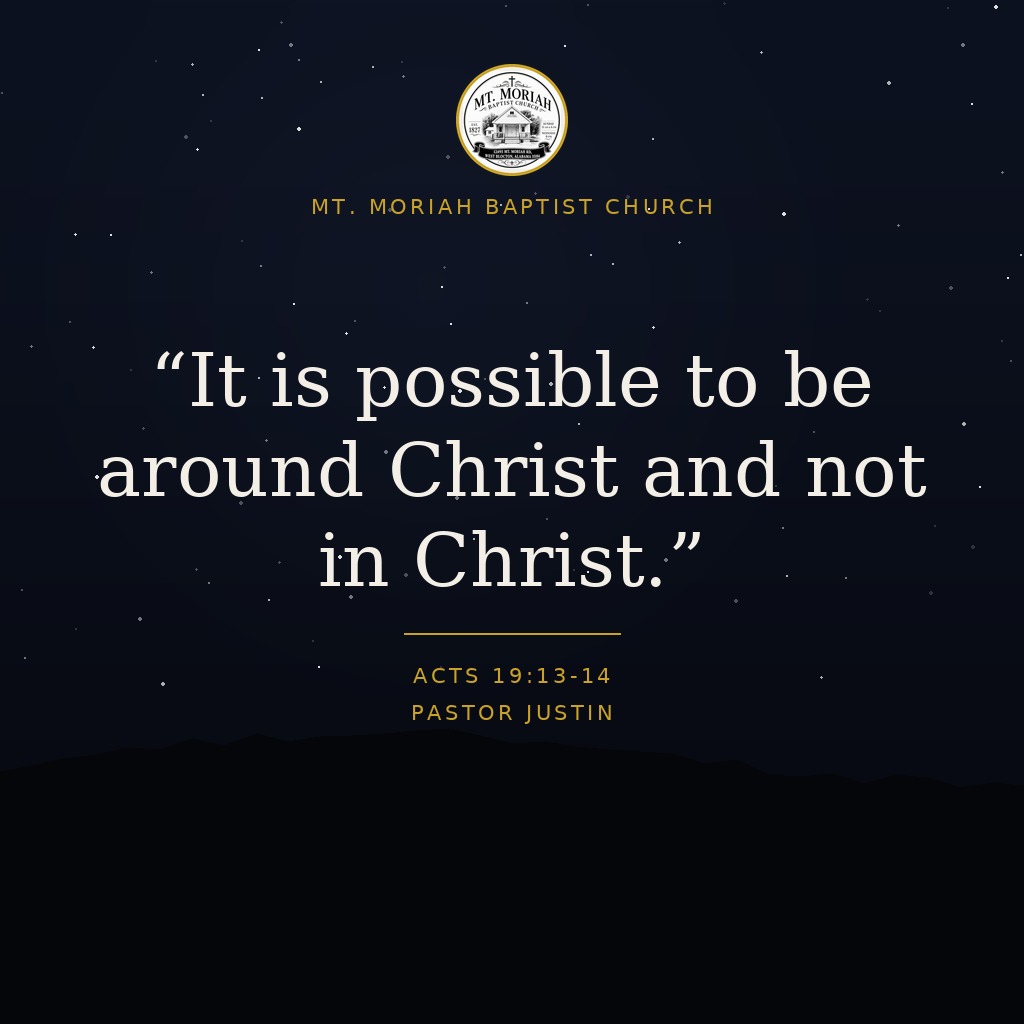
Being near the things of faith is not the same as having a relationship with Jesus. Take time to seek Him personally and sincerely. Join us as we explore what authentic faith looks like.
#TheNameWithoutTheRelationship #MtMoriahBaptistChurch #KnowJesus #AuthenticFaith
Post it on Facebook
Then attach the saved picture and paste the caption into a new post.
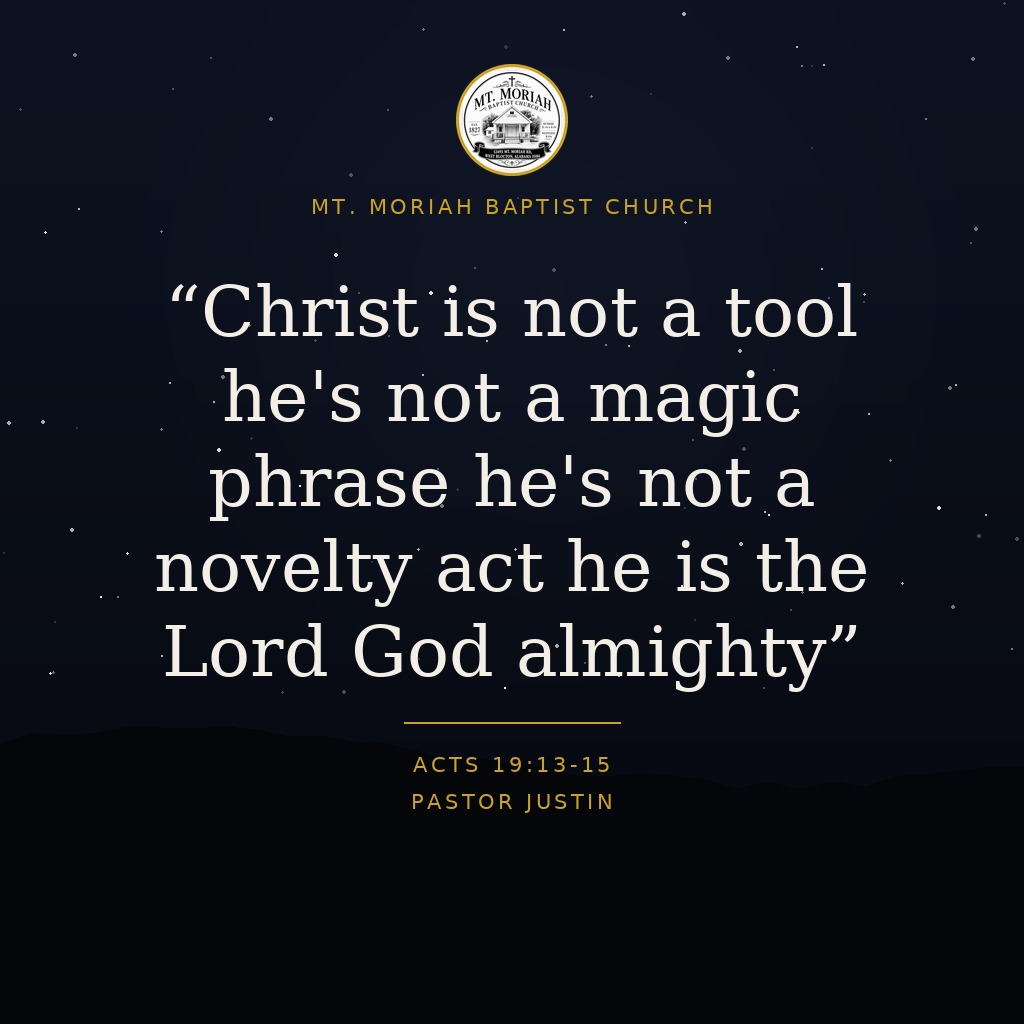
Jesus is Lord, not a phrase to use as a shortcut. Seek a real relationship with Him and trust His authority in every part of life. Join us for worship and time in the Word.
#TheNameWithoutTheRelationship #MtMoriahBaptistChurch #JesusIsLord #Faith
Post it on Facebook
Then attach the saved picture and paste the caption into a new post.
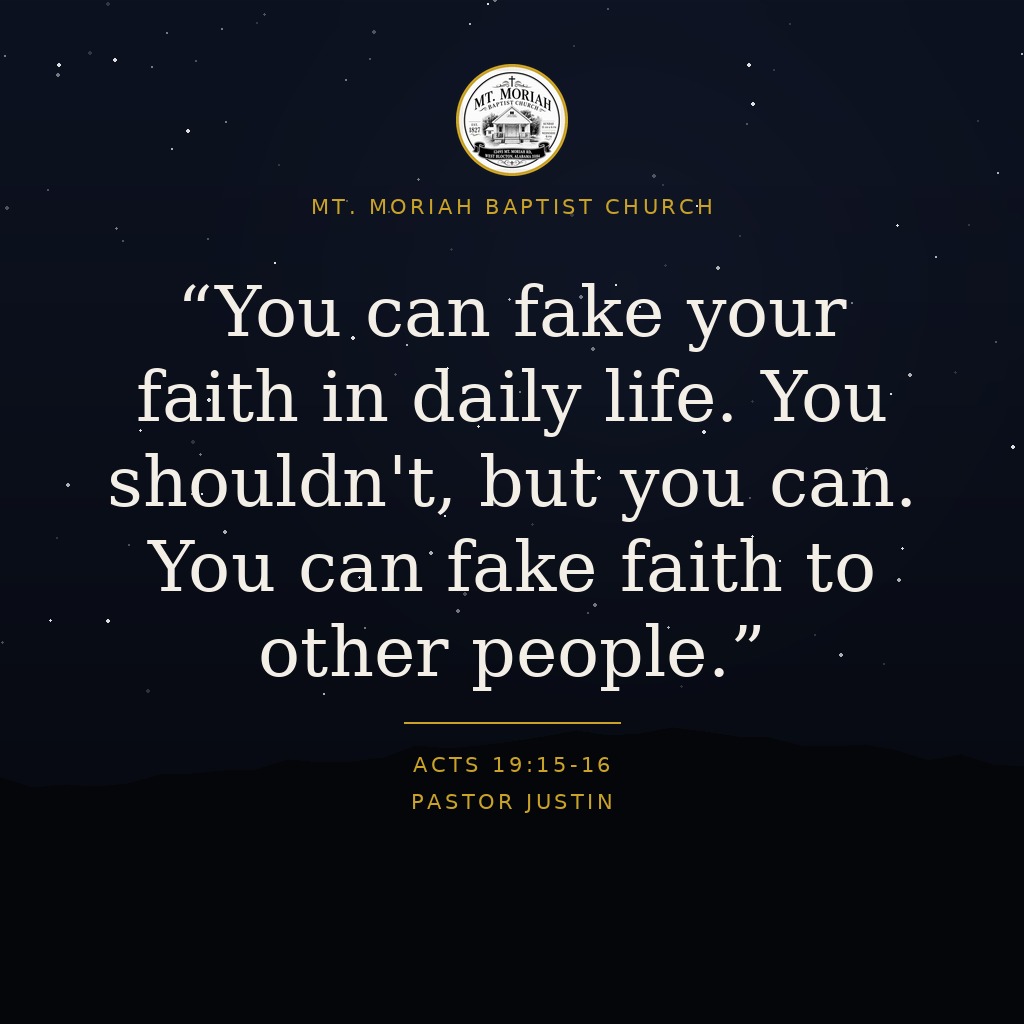
What people see on the outside is not the whole story of faith. Be honest with God and seek a sincere walk with Him. We invite you to join us as we grow together in faith.
#TheNameWithoutTheRelationship #MtMoriahBaptistChurch #SincereFaith #WalkWithGod
Post it on Facebook
Then attach the saved picture and paste the caption into a new post.
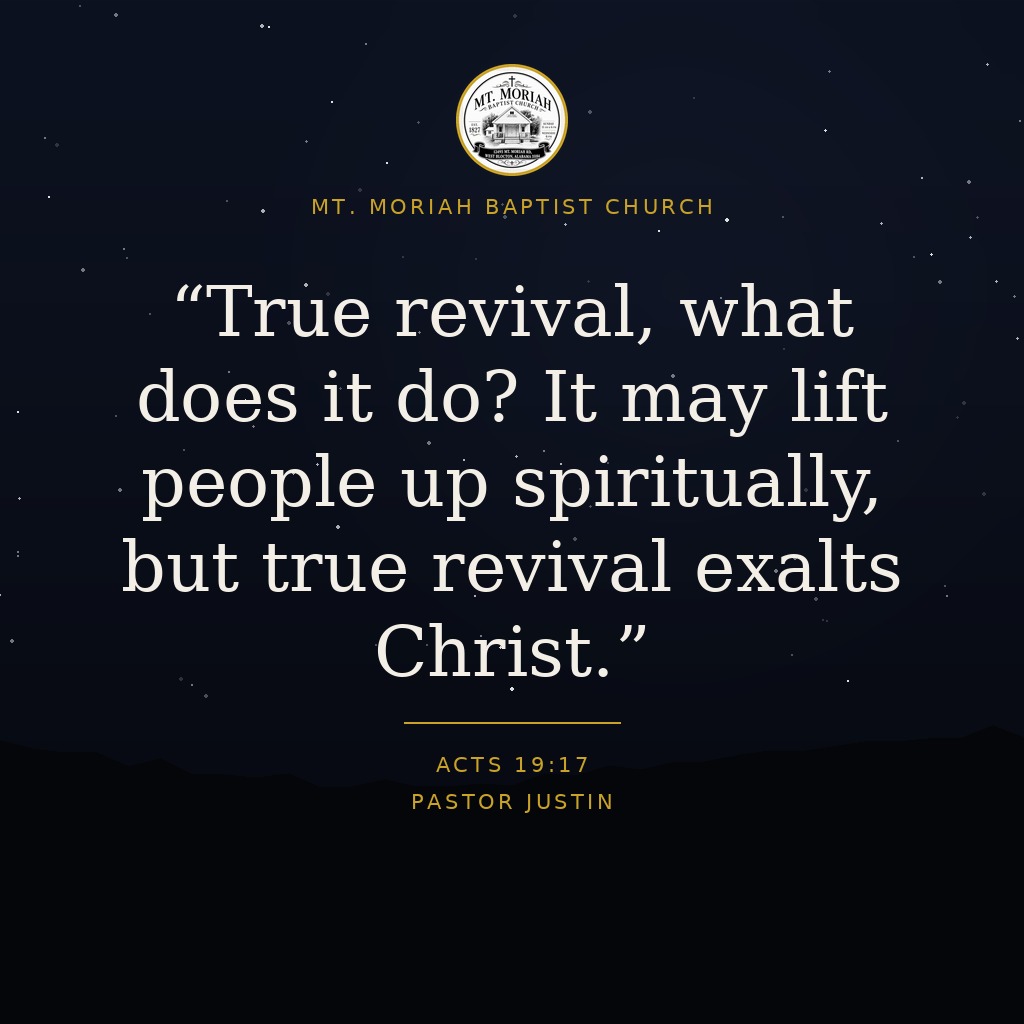
True revival turns our attention to Christ, not ourselves. Let your worship and service point people to Him. Join us as we seek God together.
#TheNameWithoutTheRelationship #MtMoriahBaptistChurch #Revival #ExaltChrist
Post it on Facebook
Then attach the saved picture and paste the caption into a new post.
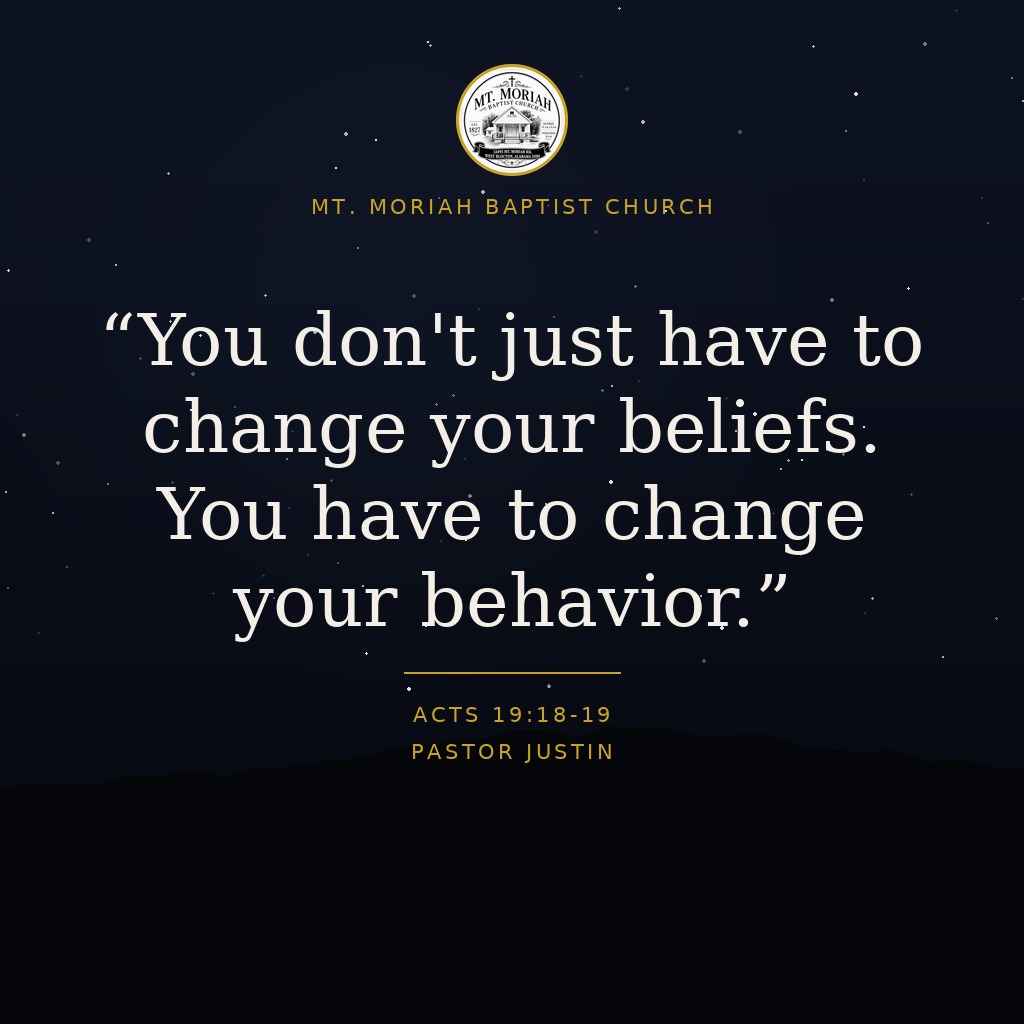
Repentance reaches beyond what we say; it shapes how we live. Ask God to help you turn from what hinders your walk with Him. Join us as we continue learning from Scripture.
#TheNameWithoutTheRelationship #MtMoriahBaptistChurch #Repentance #FaithInAction
Post it on Facebook
Then attach the saved picture and paste the caption into a new post.
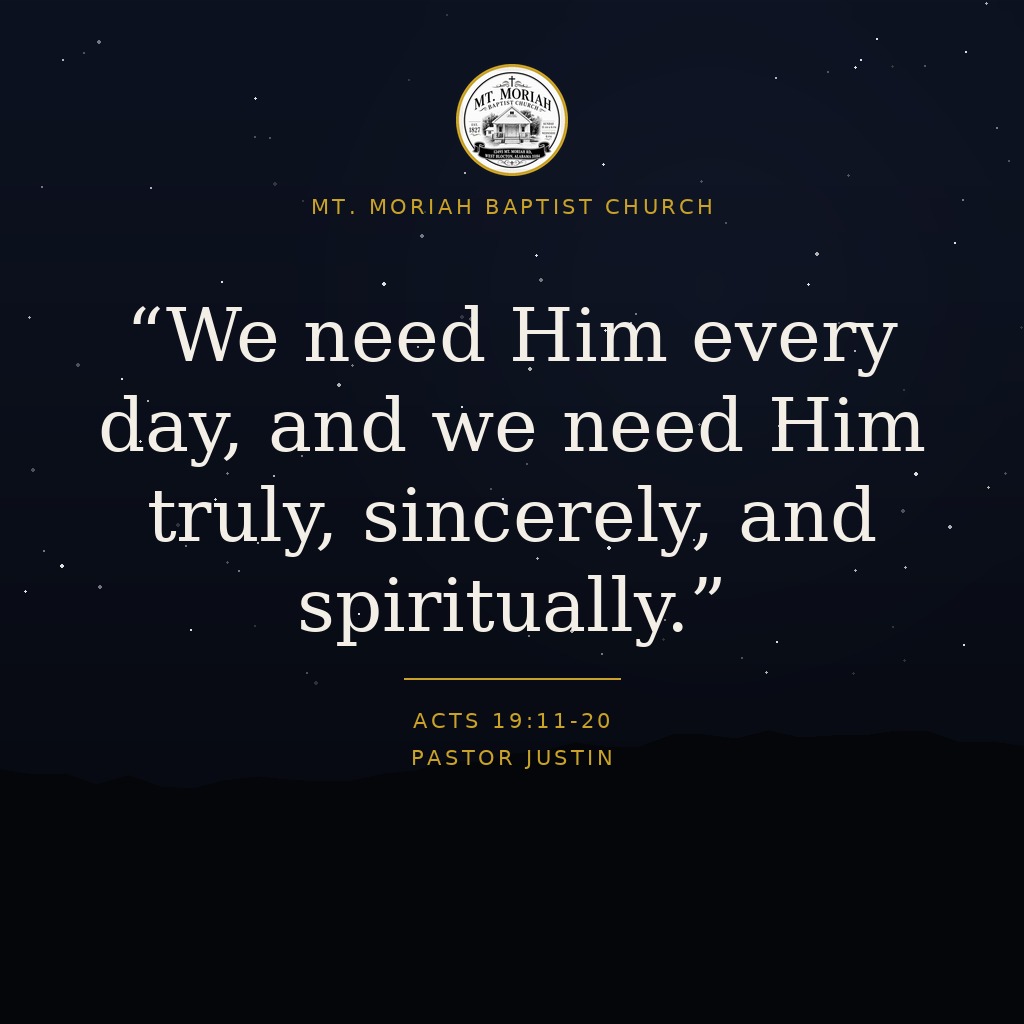
Jesus is not someone we turn to only when we need help; we need Him every day. Make room for a sincere relationship with Him in your daily life. Come worship with us and seek Him together.
#TheNameWithoutTheRelationship #MtMoriahBaptistChurch #NeedJesus #DailyFaith
Post it on Facebook
Then attach the saved picture and paste the caption into a new post.