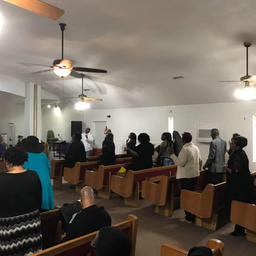
Watch Your Mouth
Pastor Jamarkus R. Mumphery preaches from Proverbs 18:20–21, emphasizing that words carry weight and can shape both our lives and the lives of others. The sermon calls Christians to speak thoughtfully rather than casually using words that wound, discourage, or diminish hope.
The message compares our words to seeds: what we repeatedly speak and plant can produce a harvest. Instead of declaring defeat, Christians are encouraged to trust God, speak with faith, and remember that our past or our family’s mistakes do not determine who we must become. God can renew the mind and change the way we speak and live.
Pastor Jamarkus R. Mumphery also warns that gossip, harsh speech, and angry words can leave lasting scars and return to us in painful ways. The sermon closes with a practical challenge: watch what you say at home, in the car, on the phone, and to one another, choosing words that encourage, preserve hope, and honor God.
According to the sermon, what can the words we speak produce?
Day 1
Words That Bear Fruit
Proverbs compares our words to fruit: what we say matters, and our speech can nourish or wound. This does not mean every difficulty is caused by something we once said, or that a positive phrase guarantees an easy outcome. It does mean our words shape relationships, reveal what is in our hearts, and influence the next choices we make. A careless insult can linger long after the moment has passed; an honest word of encouragement can help someone keep going. Before speaking today, pause and ask whether your words are true, helpful, and fitting. When you have spoken harmfully, do not excuse it or despair. Seek forgiveness, make amends where you can, and ask God to help you speak differently. The Lord can use our speech to build up others and give thanks, even in seasons that remain hard.
- Reflect
- What words could you replace today with speech that is truthful and life-giving?
- Prayer
- Lord, guide my words so they reflect your truth and bring care to those who hear them.
Post it on Facebook
Day 2
Speak Hope Honestly
The sermon calls us to notice the way we speak about ourselves and our circumstances. Scripture invites us to set our minds on what is true and good, and the psalmist shows that honest faith can include both sorrow and hope. Christian hope is not pretending that pain is small, or declaring that we can control every outcome with our words. It is bringing our real fears to God and remembering that hardship does not have the final word. Today, name what is difficult without letting difficulty define all that is true. You may be tired and still loved; uncertain and still accompanied; grieving and still able to pray. Let your words make room for both honesty and trust. If you cannot find hopeful words, borrow a promise from Scripture or ask someone you trust to pray with you.
- Reflect
- How can you speak honestly about a difficulty while also remembering God’s presence?
- Prayer
- God of hope, meet me in what is hard and help me hold fast to what is true.
Post it on Facebook
Day 3
Words That Build Up
Paul urges believers to put away falsehood and speak words that give grace to those who hear. This is more than avoiding gossip or insults; it is learning to use speech for truth, kindness, and repair. Sometimes the gracious word is encouragement. Sometimes it is a needed truth spoken gently. Sometimes it is choosing not to repeat a story that could harm someone. Before passing along a claim, consider whether you know it is true and whether sharing it will help. When someone confides in you, listen with care rather than turning their pain into conversation elsewhere. Our words cannot solve every problem, but they can make a person feel less alone and help preserve trust. Ask God to show you one person who may need your encouragement today, and offer it sincerely, without exaggeration or flattery.
- Reflect
- Who might be strengthened by a sincere, thoughtful word from you today?
- Prayer
- Jesus, teach me to speak truth with grace and to use my words to strengthen others.
Post it on Facebook
Day 4
Pause Before Anger Speaks
Anger can arrive quickly, but we are not required to let it choose our words. James calls us to be quick to listen, slow to speak, and slow to become angry. That counsel does not ask us to ignore injustice or pretend we are not hurt. It gives us space to respond in a way that does not add needless harm. A sharp sentence may be spoken in seconds and remembered for years. When you feel anger rising, take a breath, pray, or step away if the moment allows. Listen for what the other person is actually saying, and choose words that address the issue without attacking their worth. If you have caused hurt, a sincere apology can begin a path toward repair, though rebuilding trust may take time. God can help us practice restraint and courage together.
- Reflect
- What pause or practice could help you respond wisely when you feel angry?
- Prayer
- God, slow my reactions and help me speak with honesty, courage, and care.
Post it on Facebook
Day 5
Plant Seeds of Grace
Paul’s image of sowing and reaping encourages us to consider the patterns we cultivate. It is not a promise that every painful consequence can be traced to a particular mistake, nor that faithful people will always receive an easy return. Rather, our choices matter, and steady acts of goodness can bless others over time. We may plant patience by listening, peace by refusing to inflame conflict, and kindness by speaking well of people who are absent. We may also need to acknowledge the harmful seeds we have planted and take responsibility for them. God’s mercy invites us to begin again, not to hide from what we have done. Ask for wisdom to choose one small, faithful act today. As the psalmist prays, may the words of your mouth and the meditation of your heart be pleasing to God.
- Reflect
- What small act of goodness can you plant through your words or actions today?
- Prayer
- Merciful God, forgive my harm and help me sow words and actions shaped by your love.
Post it on Facebook
Open together
- 1.What is a word of encouragement someone has spoken to you that you still remember?
- 2.When do you find it easiest—or hardest—to choose your words carefully?
Observation
- 1.In Proverbs 18:20, what is a person satisfied with, and what will fill them?
- 2.What does Proverbs 18:21 say is in the power of the tongue?
- 3.What does the verse say about those who love the tongue?
- 4.What examples does Pastor Jamarkus R. Mumphery give of words that can encourage or harm?
Interpretation
- 1.What might it mean for our words to produce a harvest in our lives and relationships?
- 2.How does the sermon connect a person’s words with what is in their heart?
- 3.Why is it important to consider the effect of words spoken privately as well as publicly?
- 4.How can words of doubt shape a person’s outlook, and how might words of faith help them respond to difficulty?
- 5.How should we understand the warning about reaping what we sow without assuming that every hardship is caused by someone’s words?
Application
- 1.What kind of words do you most need to be more careful about—words spoken in anger, gossip, discouragement, or something else?
- 2.Is there a relationship in which you could use your words to encourage, apologize, or make peace?
- 3.What is one negative statement about yourself or your circumstances that you could replace with truthful, faith-filled words?
- 4.How can you pause before speaking when you feel angry or frustrated?
- 5.What practical step will you take this week to make your speech more gracious and life-giving?
Trust God When Life Falls Apart
Faith is tested when everything hurts, and you still choose to believe God will work it out.
You Don’t Have to Be Your Parents
You may share someone’s traits or history, but you don’t have to repeat their choices.
Pause Before You Speak in Anger
Angry words can leave a scar long after the moment has passed—sometimes the strongest move is to hold your tongue.
God Can Clean You Up and Set You Up
Your past doesn’t disqualify you—God can renew your mind and give you a new way forward.
Your Words Carry Weight
The words we casually throw at people can shape what they believe—and words still have value.
Choose to Live
Sometimes the words you keep speaking over your life can pull you deeper into despair—or help you choose to live.
Your Words Still Have Power
Even a private conversation has an audience—and your words can plant doubt or faith.
You Reap What You Plant
If you keep planting negative words, don’t be surprised when a negative harvest shows up.
Look in the Mirror and Speak Life
Stop running from who you are—get to know the one who created you.
Don’t Let Someone Else Contaminate You
You can admit you’re tired without giving up on believing God will help you press on.
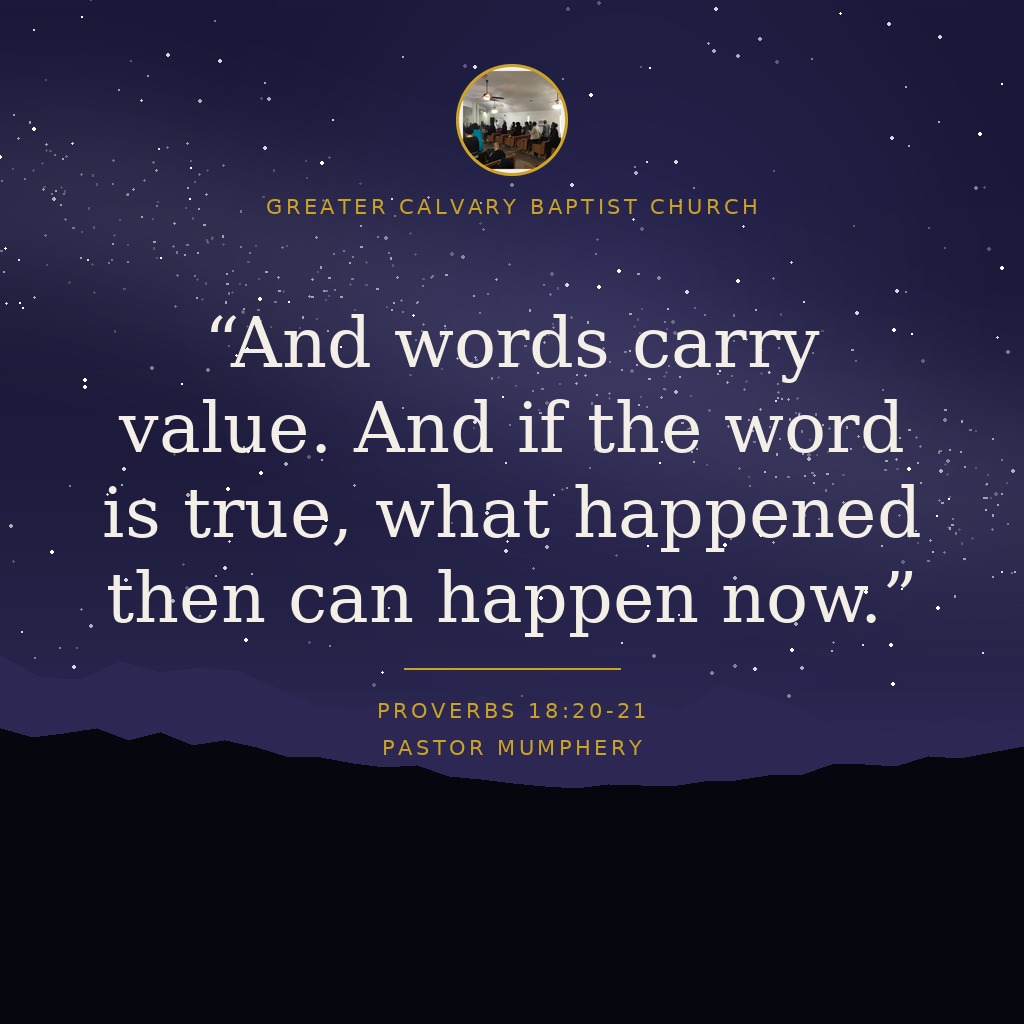
Our words carry weight, and they can shape what grows in our lives. Choose words with care today, even in difficult conversations. What words will you choose to sow?
Post it on Facebook
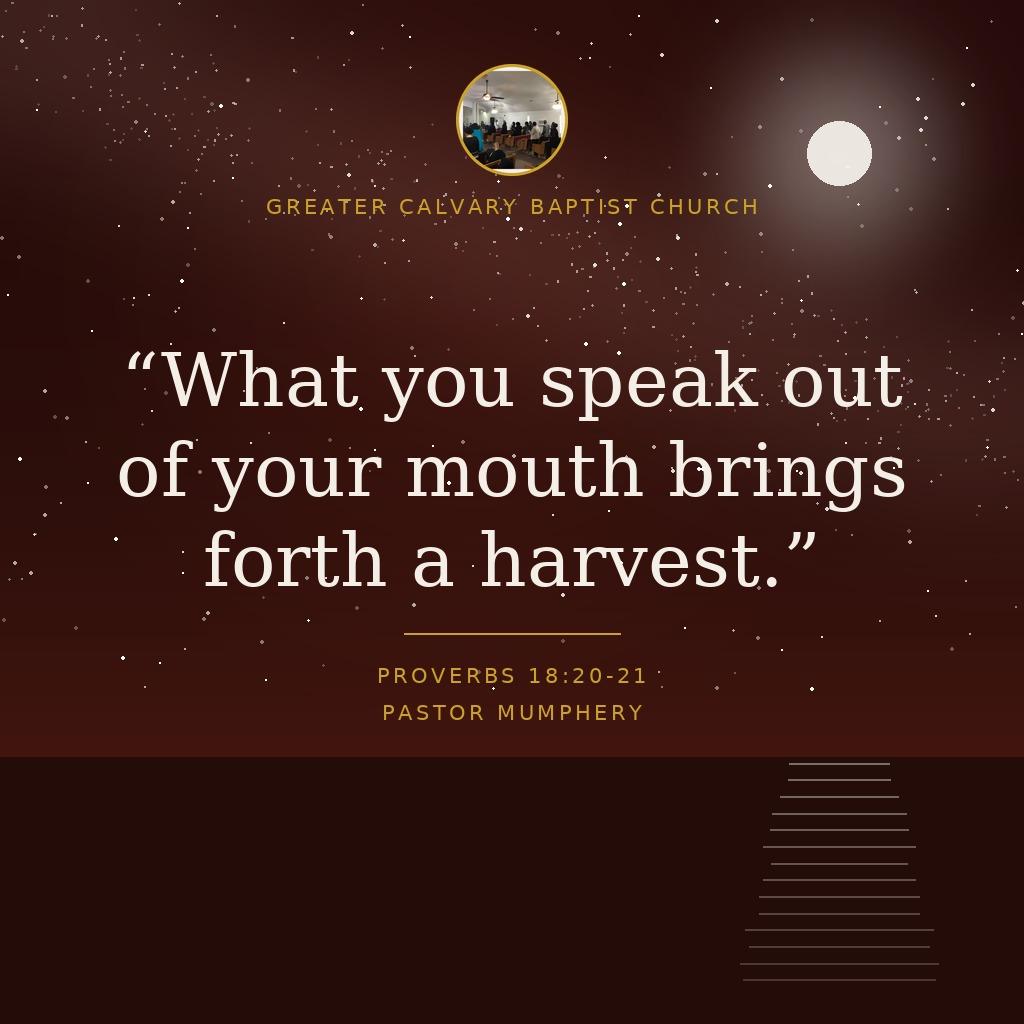
The words we speak are seeds, and seeds produce a harvest. Speak with faith and care over yourself and others. Join us in reflecting on the power of our words.
Post it on Facebook
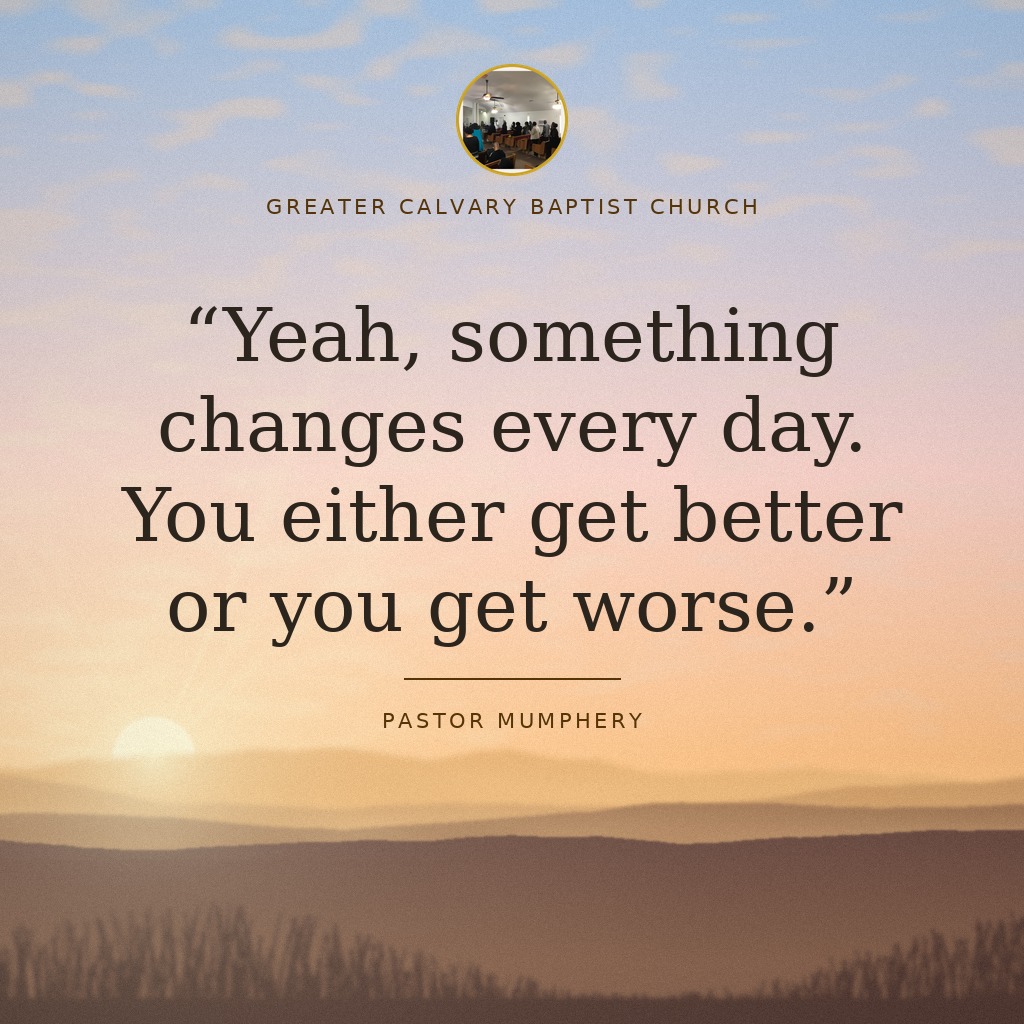
Every day brings a choice in how we see our circumstances and move forward. Look for the good God is doing, even when the road feels hard. Take a moment today to choose hope.
Post it on Facebook
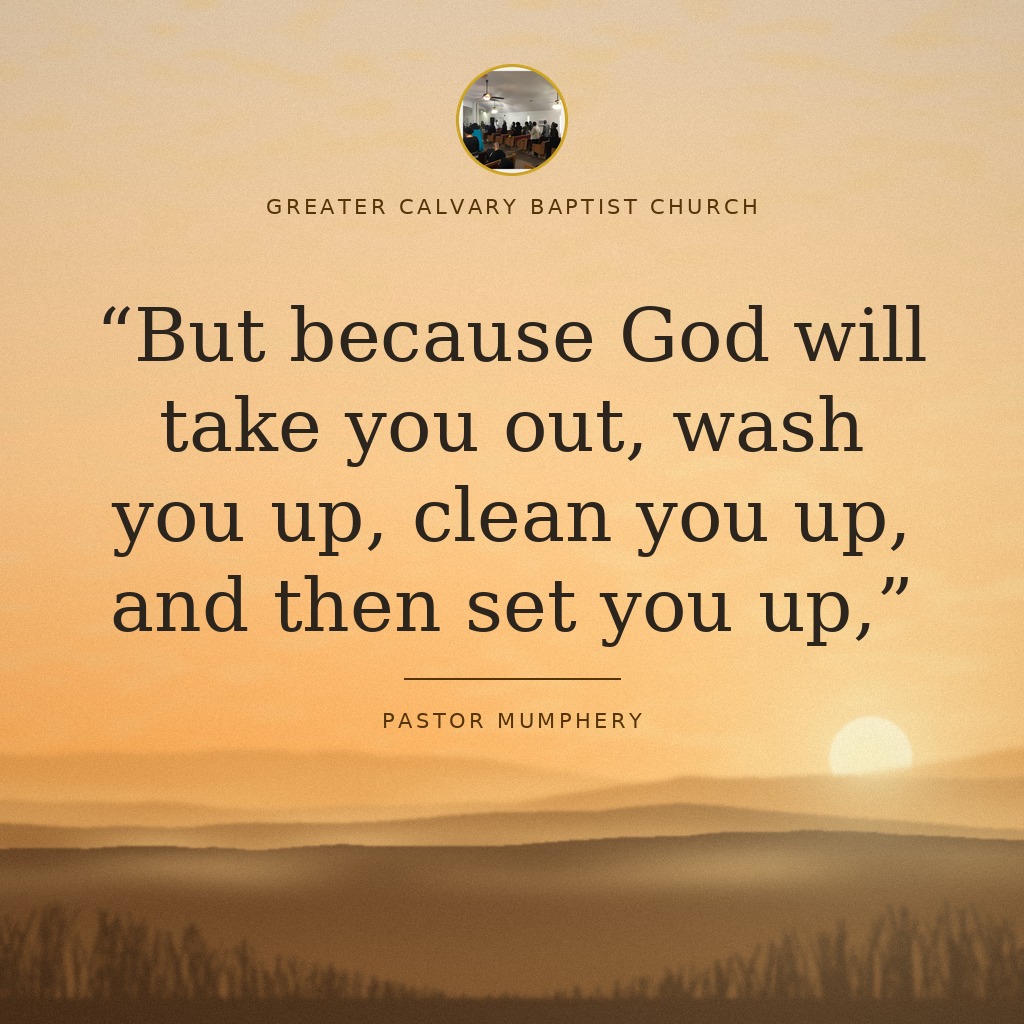
Your past does not have to define your future; God can make a way toward renewal. Remember that grace can meet you right where you are. Come worship with us and be encouraged.
Post it on Facebook
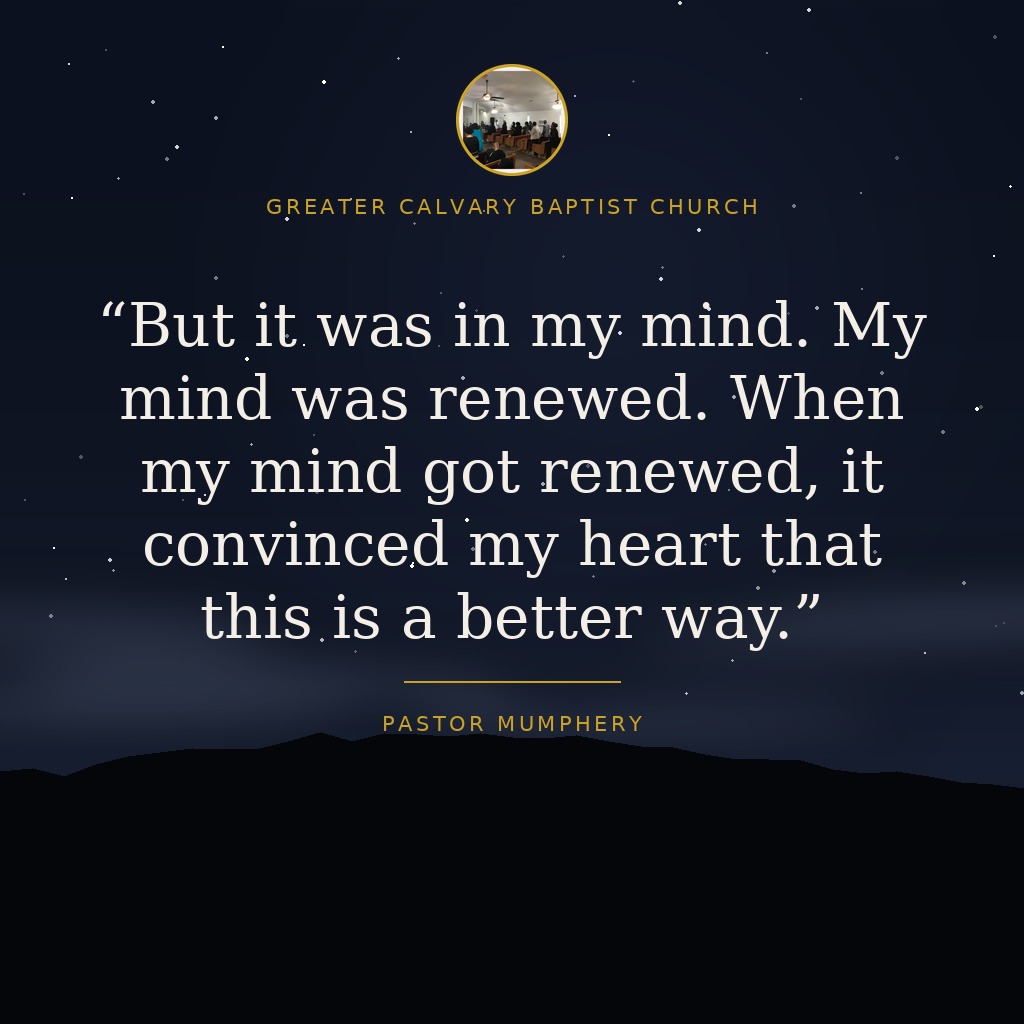
Renewal can begin with a changed perspective and lead to a different way of living. Make room for God to shape your thoughts and your words. Join us as we grow together in faith.
Post it on Facebook
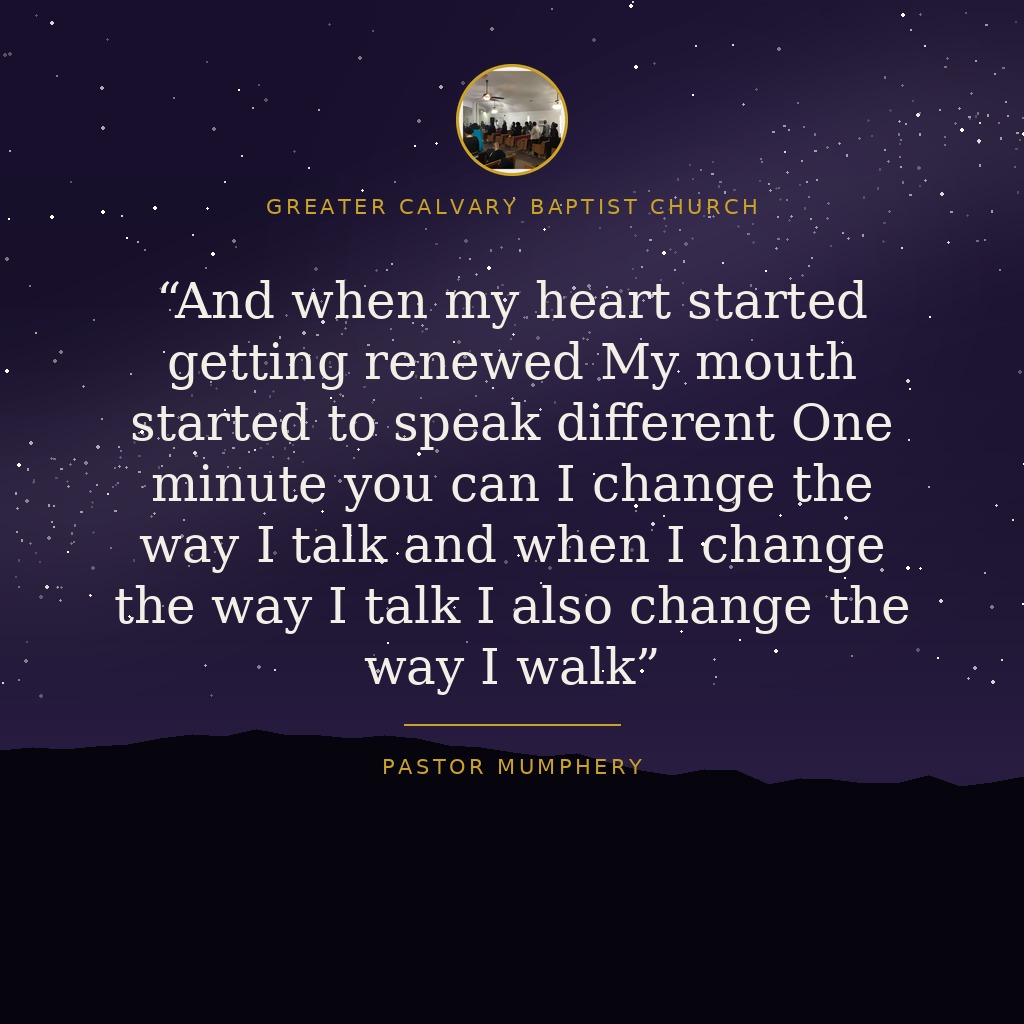
The transcript connects a changed heart with changed speech and actions. Ask God to help your words reflect the person you are becoming. We invite you to worship and grow with us.
Post it on Facebook
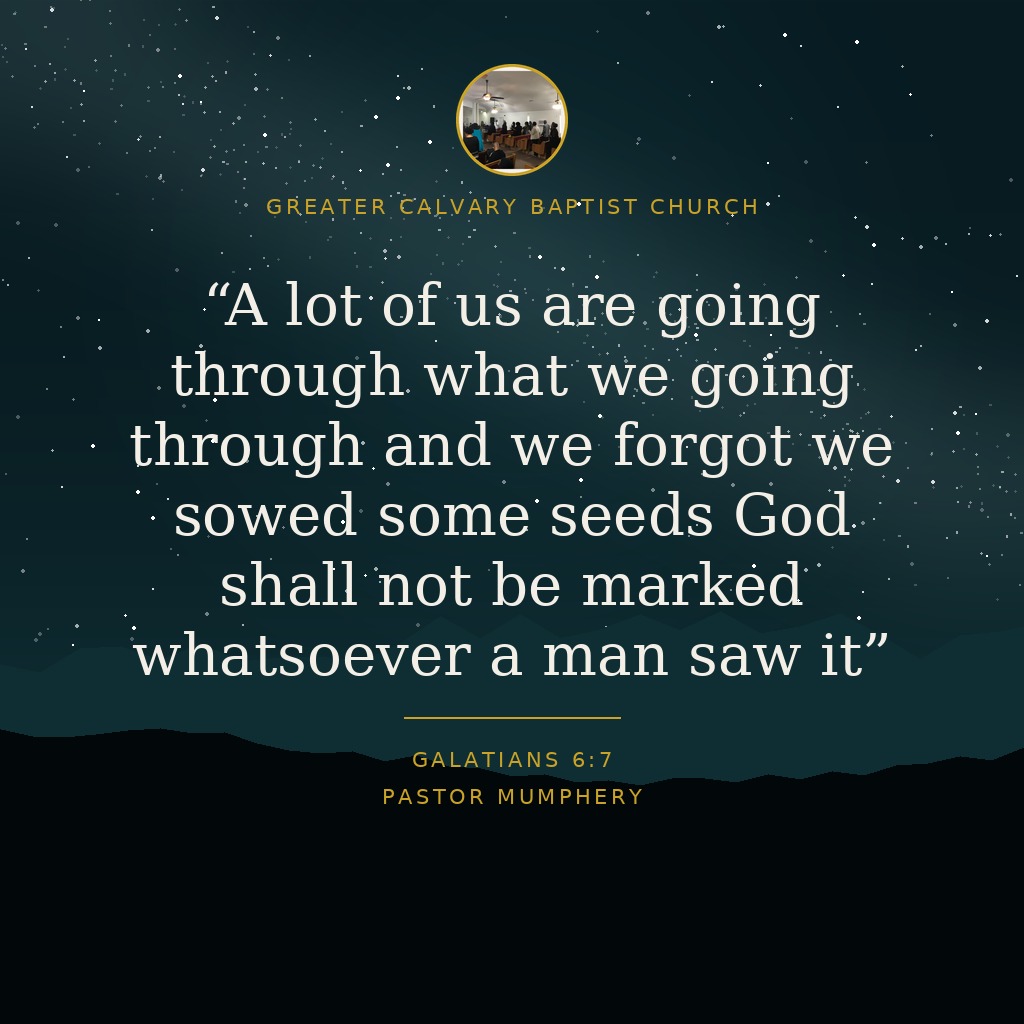
Pastor Jamarkus R. Mumphery reminds us that what we sow matters. Take care with what you say about others, and choose words that encourage rather than harm. Share this reminder with someone who needs it.
Post it on Facebook
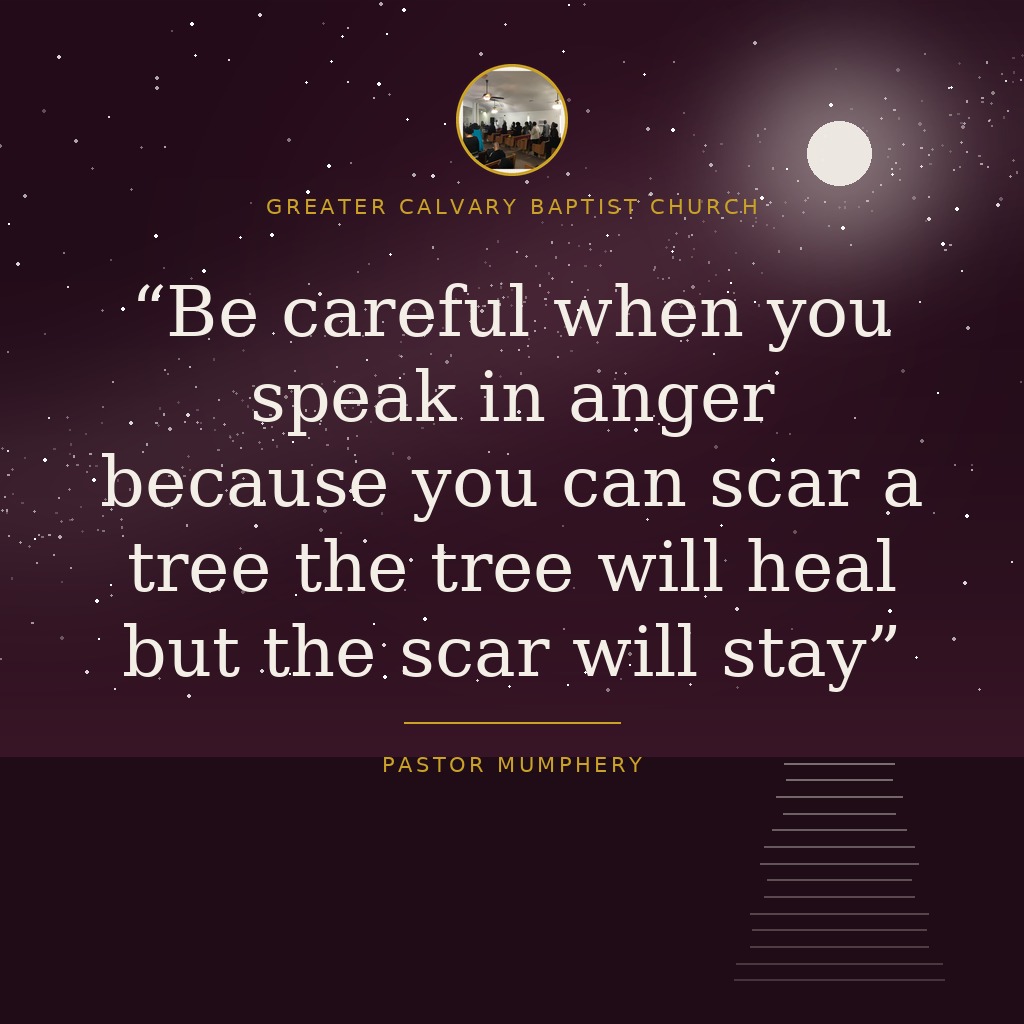
Words spoken in anger can leave a lasting mark, even after the moment has passed. Pause before responding, and choose words that help rather than wound. Let this be a reminder to speak with care.
Post it on Facebook