September 27, 2026
Be Still and Know God
Psalm 46; Psalm 91; Psalm 99; Isaiah 55:8-9; Genesis 50:20; Romans; Exodus 14:13
Drawing on Psalm 46:10, “Be still, and know that I am God,” the sermon calls believers to trust God amid trouble, uncertainty, waiting, and circumstances they cannot control. The world may be shaking, but God remains a refuge, strength, and present help.
Being still does not mean giving up, quitting prayer, or abandoning faith. It means resting in who God is, even when we cannot see what he is doing or understand his timing. Stories of Rahab, Joseph, Israel at the Red Sea, David, and others illustrate trust in God through danger and delay.
The sermon emphasizes that knowing God is more than knowing facts or Scripture; it is relying on his faithfulness, power, and presence. It points to Jesus’ death and resurrection as the decisive assurance that God is sovereign and worthy of trust, and invites listeners to know God personally, praise him, and depend on him in every season.
Key takeaways
- Be still and know that God is God.
- God is a refuge and strength in trouble.
- A storm does not mean God has stopped working.
- Trust God even when you cannot see the outcome.
- Being still is not giving up; it is relying on God.
- Knowing God means trusting him, not merely knowing about him.
- You do not need to know the whole plan to trust the One who leads you.
- God’s faithfulness remains through waiting, silence, and delay.
- Jesus’ death and resurrection anchor our hope.
- Put your trust in God and seek to know him personally.
- Day 1Psalm 46:1-3, 10
Still in the Shaking
Psalm 46 does not pretend that life is always calm. It pictures the earth giving way, mountains trembling, and waters roaring. Into that turmoil, God says, “Be still, and know that I am God.” Stillness is not denial: trouble may be real, and we may not know what comes next. It is a call to stop treating panic as our only response and remember who holds us. God does not promise that we will never face upheaval; he promises to be our refuge and strength, a present help in trouble. We may not control the storm or understand its timing, but we can turn toward the One who remains faithful. Today, take a quiet moment to breathe, pray, and name what is troubling you. Let your circumstances be honest, but let God’s character have the final word: he is still God.
- Reflect
- What situation is shaking you, and how might remembering God’s presence change the way you meet it?
- Prayer
- God, be my refuge in trouble; quiet my fear and help me trust that you are still God.
- Day 2Psalm 46:1; Psalm 9:9-10
A Place to Run
A refuge is a safe place to turn when danger or weariness presses in. The psalmist does not point us first to money, status, connections, or our own ability to manage every problem. He points us to God, who is our refuge and strength. This does not mean that faith makes every difficulty disappear. It means we do not have to face difficulty alone or pretend to be stronger than we are. When our hearts are overwhelmed, we can bring our fear, grief, and questions to God. He welcomes those who seek him and remains near to the oppressed and troubled. Prayer may not immediately change the situation, but it brings us into the care of the One who is present within it. Today, instead of carrying everything by yourself, run to God honestly. Ask for help, and receive the shelter of his faithful presence.
- Reflect
- When you feel overwhelmed, what tends to become your refuge, and how can you turn toward God today?
- Prayer
- Lord, you are my refuge and strength; hold me close and help me seek you in every trouble.
- Day 3Genesis 50:20; Romans 8:28
God at Work in the Waiting
Joseph’s story includes betrayal, slavery, false accusation, and prison. For long stretches, he could not see how his life would fit together. Yet his hardship was not the end of God’s work. Looking back, Joseph could say that what others intended for evil, God used for good. This does not make evil good, nor does it guarantee that we will understand every painful season. It reminds us that suffering cannot make God powerless or erase his purpose. Waiting can tempt us to measure God’s faithfulness by how quickly an answer comes or by what we can see. But God may be working beyond our view. Be still does not mean that we know the outcome; it means we entrust ourselves to God while we wait. Hold onto hope, keep doing what is faithful today, and ask God for strength for the next step.
- Reflect
- Where are you waiting for change, and what would it look like to trust God with what you cannot yet see?
- Prayer
- Faithful God, sustain me in the waiting and help me trust your goodness when I cannot see the way ahead.
- Day 4Exodus 14:13-14; Psalm 23:1-4
Trust the Shepherd
When Israel stood between Pharaoh’s army and the Red Sea, there seemed to be no safe way forward. Moses told the people not to be afraid and to see the Lord’s deliverance. That instruction was not a call to give up; it was a call to trust God when their own strength could not make a way. Psalm 23 gives us another picture of trust: sheep do not need to know every turn in the path to rest in the care of their shepherd. We, too, may not know how a bill will be paid, when a storm will end, or what the next season holds. We can still ask God for wisdom and take the next faithful step, trusting that the Shepherd is with us. Stillness is not passivity. It is a settled confidence that our lives are in God’s care, even when the path is unclear.
- Reflect
- What next step can you take faithfully while trusting God with the parts you cannot control?
- Prayer
- Good Shepherd, lead me through what I cannot manage alone and teach me to trust your care.
- Day 5Psalm 46:10; 1 Corinthians 15:3-4
Know the Risen Lord
“Be still and know that I am God” invites more than knowing facts about God. Scripture and worship matter, but the sermon reminds us that faith grows through trusting God himself—his character, his presence, and his care. Christians see God’s steadfast love most clearly in Jesus Christ: he suffered and died, and God raised him from the dead. The cross shows that suffering and apparent defeat do not have the final word. The resurrection gives hope that God’s power is greater than sin and death. Knowing this does not promise a trouble-free life, but it gives us a sure place to stand in trouble. We can pray, keep faith, love others, and praise God even while we wait. Today, remember what God has done in Christ, and bring your future into his hands. You may not know every detail of the road ahead, but you can know the Lord who walks with you.
- Reflect
- What truth about Jesus helps you trust God with your future today?
- Prayer
- Risen Lord Jesus, deepen my trust in you and help me live with hope, courage, and praise.
Open together
- 1.When do you find it hardest to slow down and be still?
- 2.What helps you feel safe or at peace during a difficult season?
- 3.Can you recall a time when someone’s encouragement helped you keep trusting God?
Observation
- 1.What does Psalm 46:10 tell God’s people to do and know?
- 2.What kinds of upheaval and trouble does Psalm 46 describe before verse 10?
- 3.How does Psalm 46:1 describe God’s presence and help?
- 4.What examples from Scripture does the sermon use to illustrate trusting God while waiting or facing danger?
- 5.According to the sermon, what does being still not mean?
- 6.What assurance does the sermon draw from Jesus’ death and resurrection?
Interpretation
- 1.Why might God call people to be still when their circumstances remain frightening or uncertain?
- 2.How is knowing God different from knowing facts or stories about God?
- 3.How does seeing God as refuge shape the way we understand trouble?
- 4.What does Joseph’s story suggest about God’s work during delays and painful circumstances?
- 5.How can stillness involve trust and faithful action rather than passivity?
- 6.How does Jesus’ resurrection support the sermon’s claim that God remains in control?
Application
- 1.What situation in your life is tempting you to panic, explain yourself, or take control? What might trusting God look like there?
- 2.What practice could help you become still enough to listen for God’s voice this week?
- 3.Which biblical story or promise helps you remember God’s faithfulness when you cannot see what he is doing?
- 4.Is there a battle you may need to stop fighting in your own strength and entrust to God?
- 5.How can your group support one another in waiting faithfully without assuming that silence means God has forgotten you?
- 6.What step could you take to deepen your relationship with God, not just your knowledge about him?
You Don’t Have to Fight Every Battle
0:58You don’t need every answer or an explanation for everything—sometimes you just have to stand still.
You Don’t Need to Know the Whole Plan
0:28You don’t have to know every chapter—you just have to know the Author.
Peace Comes From Knowing God
0:49Your peace doesn’t depend on knowing what God will do—it comes from knowing God.
Don’t Let the Delay Make You Give Up
0:58A storm, silence, or delay doesn’t mean God has forgotten you.
When God Says, “Be Still”
0:58When trouble surrounds you, the hardest instruction may be the one you need most: stop trying to fix everything.
God Is Working Even When You Can’t See It
0:49Not seeing evidence or having a timeline doesn’t mean God has stopped working.
You Just Need to Know Your Shepherd
0:58You may not know where the road is going, but you can trust the Shepherd to lead and provide.
Being Still Doesn’t Mean Giving Up
0:44Trusting God doesn’t mean quitting, abandoning your faith, or giving up on prayer.
Where Do You Run When Life Gets Heavy?
0:57When life gets heavy, the refuge you need isn’t money, status, or connections.
You Don’t Have to Panic
0:54When you know who God is, you don’t have to panic every time trouble comes.
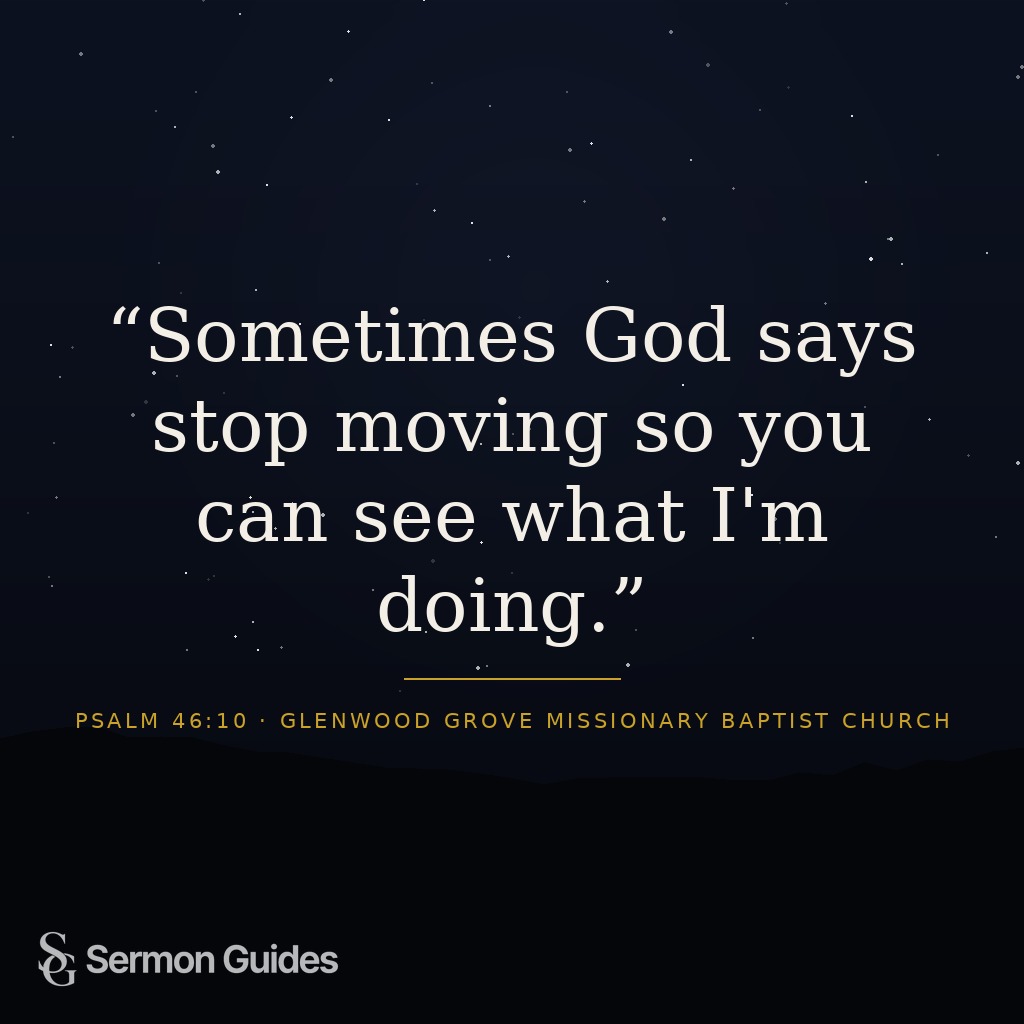
Stillness can help us notice what God is doing. When life feels unsettled, take a moment to pause and trust him. What might you see when you slow down?
#BeStillAndKnowGod #GlenwoodGroveMissionaryBaptistChurch #TrustGod
Post it on Facebook
Then attach the saved picture and paste the caption into a new post.
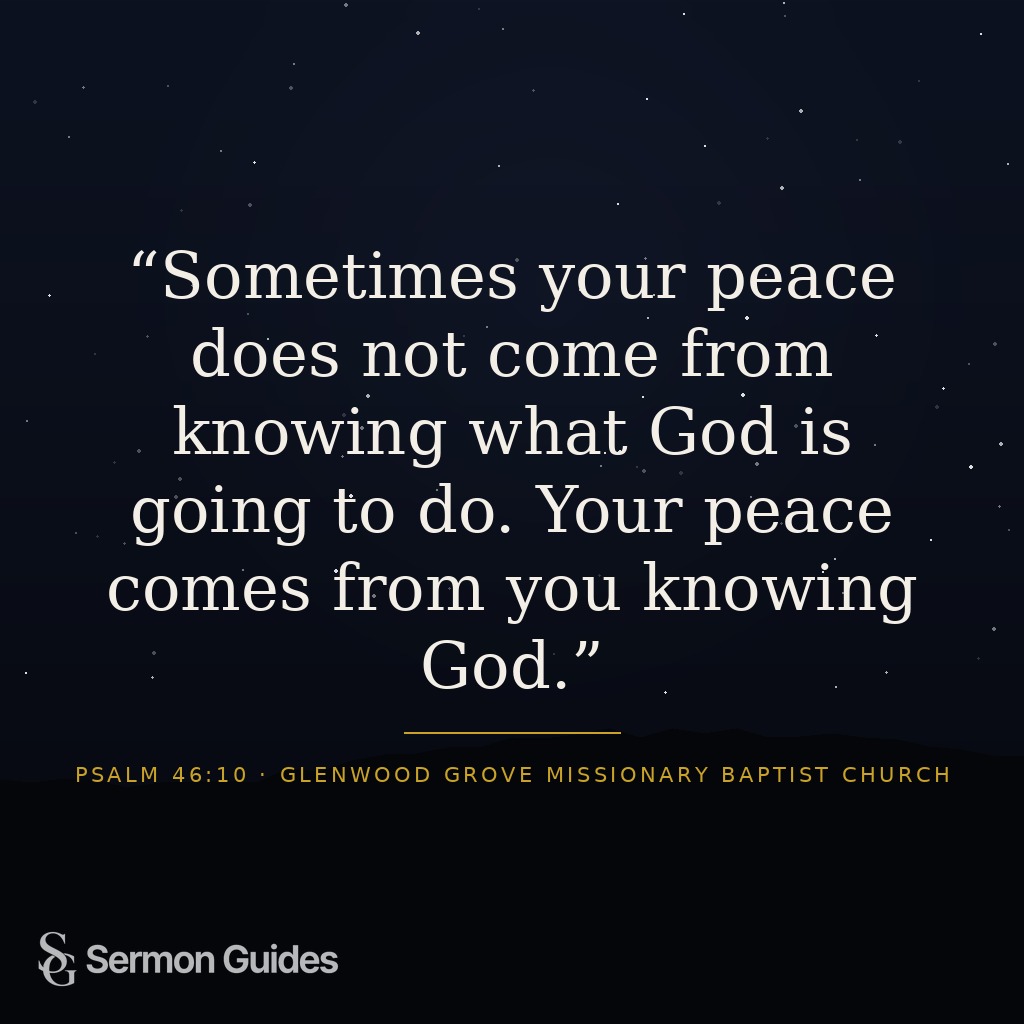
Peace can come from knowing God, even when the way ahead is unclear. Hold on to who he is as you wait for what comes next. Take a moment to reflect on how knowing God brings you peace.
#BeStillAndKnowGod #GlenwoodGroveMissionaryBaptistChurch #PeaceInGod
Post it on Facebook
Then attach the saved picture and paste the caption into a new post.
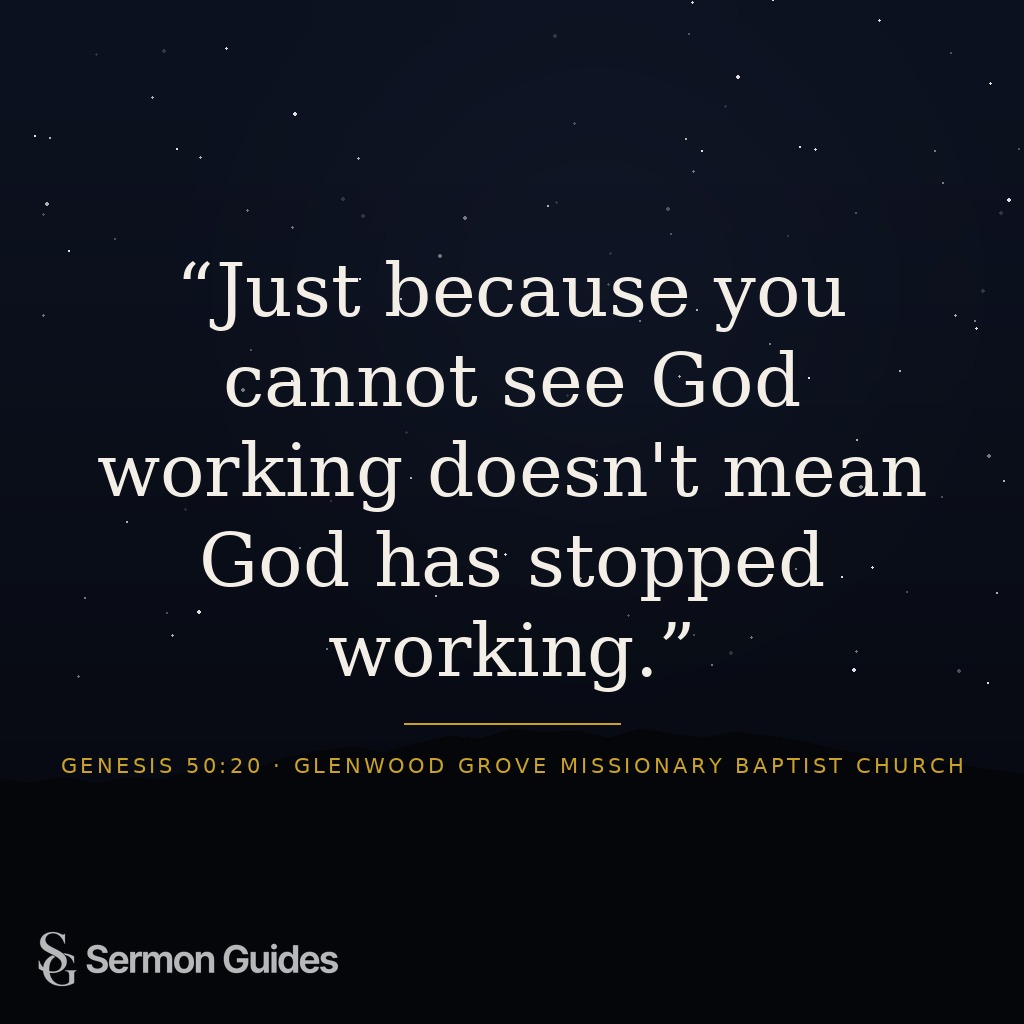
Not seeing the full picture does not mean God is finished working. In seasons of waiting, keep trusting him with the parts you cannot yet understand. Share this reminder with someone who needs encouragement today.
#BeStillAndKnowGod #GlenwoodGroveMissionaryBaptistChurch #KeepTrusting
Post it on Facebook
Then attach the saved picture and paste the caption into a new post.
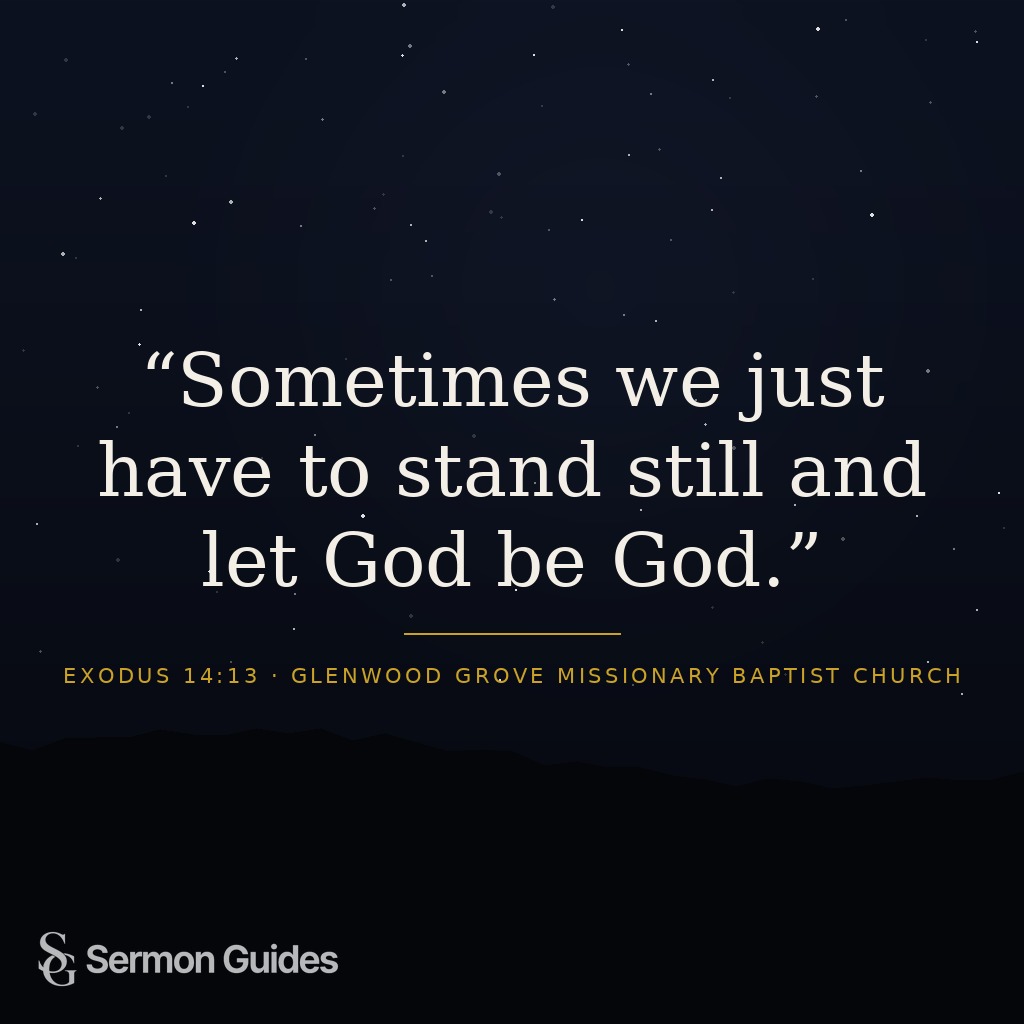
There are moments when we cannot make a way on our own. Let this be a reminder to trust God in the middle of the challenge. Where do you need to let God be God today?
#BeStillAndKnowGod #GlenwoodGroveMissionaryBaptistChurch #TrustGod
Post it on Facebook
Then attach the saved picture and paste the caption into a new post.
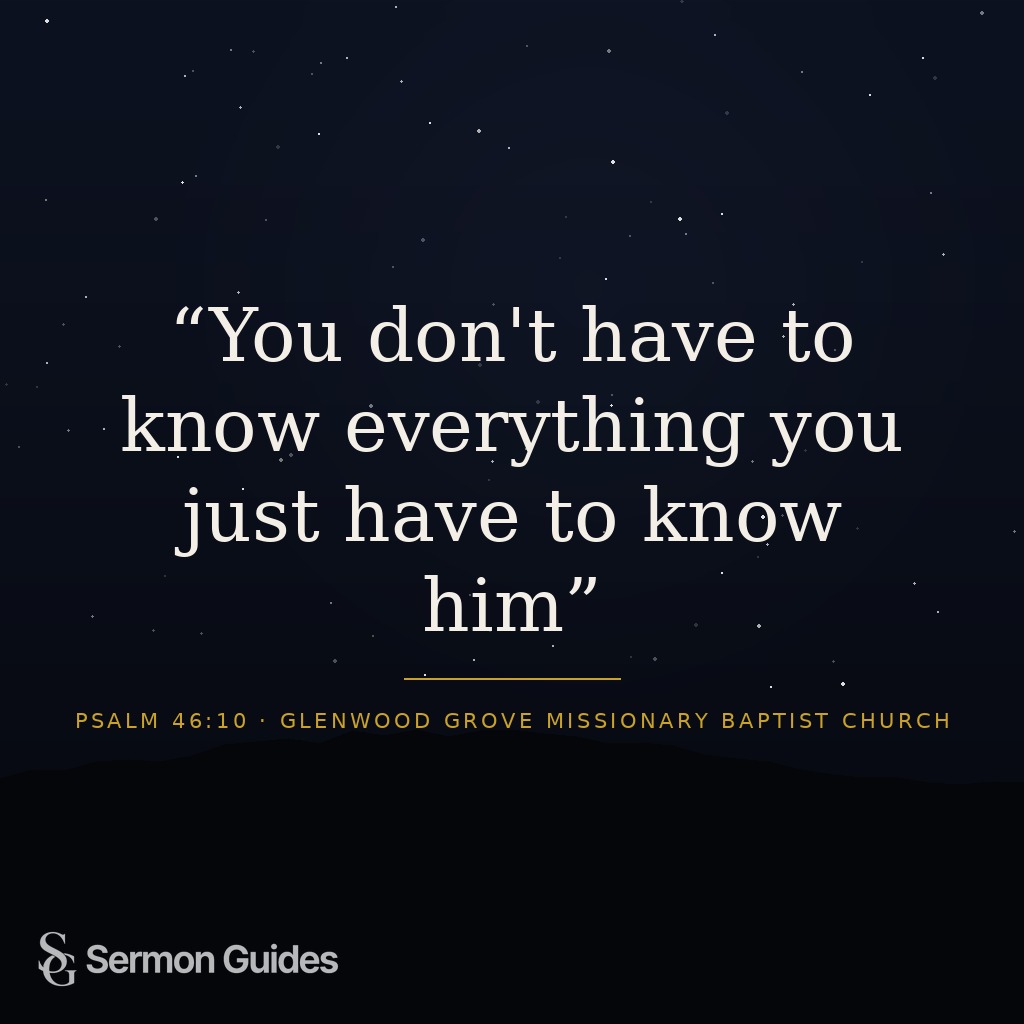
You may not have every answer, but you can know the God who holds your life. Keep drawing near to him, one day at a time. What helps you remember to trust him?
#BeStillAndKnowGod #GlenwoodGroveMissionaryBaptistChurch #KnowGod
Post it on Facebook
Then attach the saved picture and paste the caption into a new post.
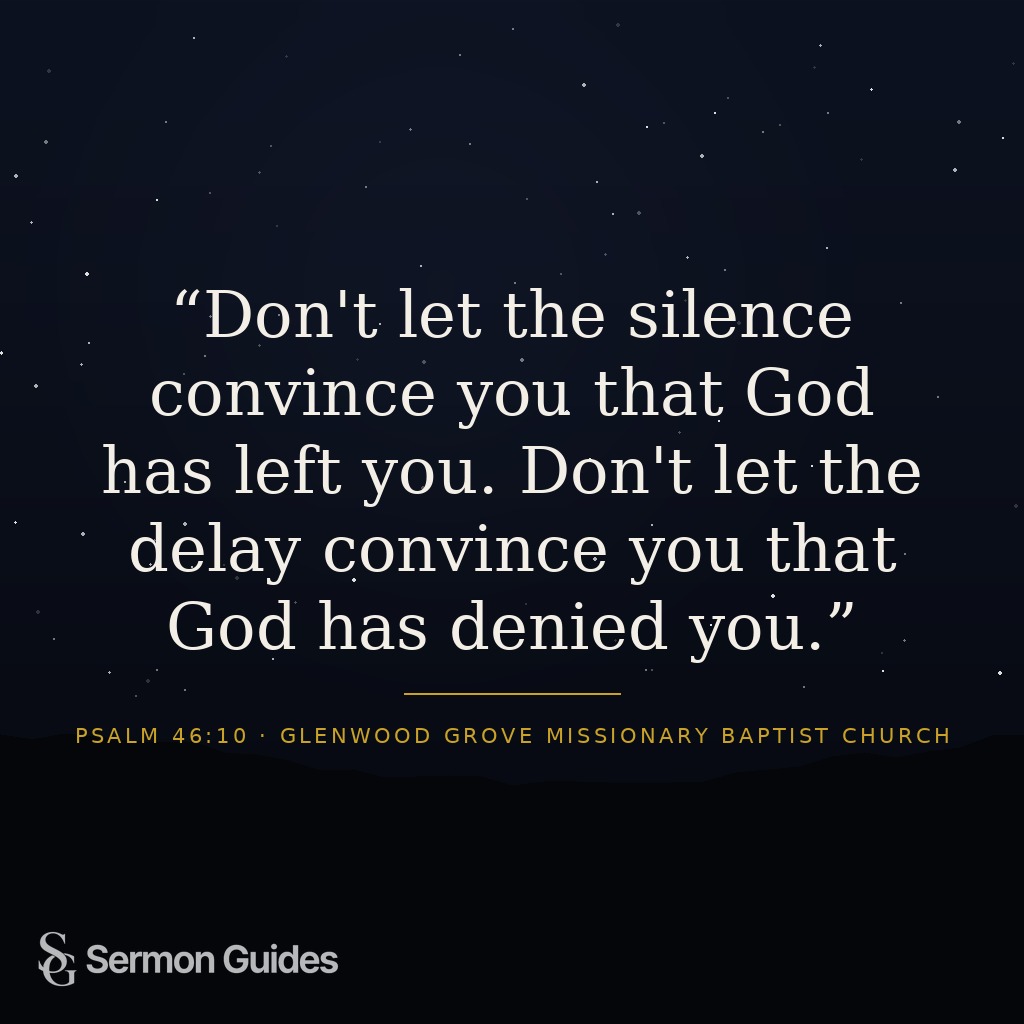
A quiet season or a delayed answer does not mean God has left you. Keep praying and trusting while you wait. Send this reminder to someone who needs hope today.
#BeStillAndKnowGod #GlenwoodGroveMissionaryBaptistChurch #HopeInGod
Post it on Facebook
Then attach the saved picture and paste the caption into a new post.