September 27, 2026
Worshiping the God We Cannot Fully Understand
Romans 1:1-4; Numbers 6; Psalm 8; Psalm 95; Psalm 103; Psalm 145; Romans 11:33, 36; Ephesians 3:20-21; Jude 24-25; 1 Timothy 1:17; Isaiah 6
The sermon moves from last week’s teaching on Christ as truly God and truly man to the doctrine of the Trinity. It acknowledges that some truths about God are incomprehensible: Christians can know what Scripture reveals and trust it without fully understanding how it works. Such mystery need not lead to doubt; it can deepen worship.
Romans 1:1–4 names the Father, the Son, and the Holy Spirit distinctly while affirming the one God. The sermon warns against common analogies that distort this truth: water changing forms suggests modalism, a clover divided into leaves suggests partialism, and a star with its light and heat suggests that the Son and Spirit are lesser or created. Instead, the Athanasian Creed confesses three distinct, co-eternal, co-equal persons in one God.
The Trinity is presented not as a puzzle to solve but as a revelation of who God is. Doctrine matters because it gives detail to grace and helps believers love God with their minds. The sermon’s practical challenge is to begin prayer with adoration: spend at least two minutes praising God for who he is before moving to confession, thanksgiving, and supplication.
Believers can adore each person of the Trinity, reflect on God’s attributes and names, or pray Scripture such as the Psalms and biblical doxologies. Beginning with God’s holiness and greatness puts our own lives and requests in perspective. God is worthy of worship not only for what he does, but simply for who he is.
Key takeaways
- We can trust what Scripture reveals even when we cannot fully explain it.
- God’s incomprehensibility can lead us to worship rather than doubt.
- The Father, Son, and Holy Spirit are distinct persons, yet one God.
- Each person of the Trinity is fully God, co-eternal, and co-equal.
- Avoid analogies that reduce the Trinity to changing roles, parts, or lesser beings.
- Doctrine gives detail to grace and helps us love God with our minds.
- Treat the Trinity as a revelation to receive, not merely a riddle to solve.
- Begin prayer by praising God for who he is before asking for help.
- Use God’s attributes, names, and Scripture to guide prayers of adoration.
- Worship God for who he is, not only for what he has done.
- Day 1Isaiah 55:8-9; Romans 11:33-36
Worship Beyond What We Understand
Some truths about God are clear in Scripture even when we cannot fully explain how they work. The mystery of God is not a flaw in our faith or an invitation to give up thinking. It is a reminder that the Creator is greater than our understanding. We can learn carefully, ask honest questions, and hold fast to what God has revealed, without pretending to comprehend everything. Paul’s wonder at God’s wisdom leads not to despair but to praise: “How unsearchable are his judgments.” Faith does not require us to know everything about God before we trust him. Instead, what we do know draws us toward worship, and what remains beyond us can deepen our reverence. Today, bring your questions to God with humility. Let the limits of your understanding remind you that God is worthy of trust, even when you cannot see the whole picture.
- Reflect
- How might accepting the limits of your understanding lead you toward greater trust in God?
- Prayer
- God of unsearchable wisdom, teach me to trust what you have revealed and worship you for who you are.
- Day 2Romans 1:1-4; Matthew 3:16-17
One God, Three Persons
The Christian faith confesses one God: Father, Son, and Holy Spirit. They are not three gods, nor one person appearing in three different roles. The Father is God, the Son is God, and the Spirit is God; yet the Father is not the Son, and the Son is not the Spirit. Scripture shows their distinction and unity. In Romans, Paul speaks of the Father, his Son Jesus Christ, and the Spirit of holiness. At Jesus’ baptism, the Son stands in the water, the Spirit descends, and the Father speaks from heaven. We may not be able to explain the mystery completely, but we can receive the truth God has made known. The Trinity is not a puzzle to master so we can control God. It is a revelation of the God we worship and the God who saves. Let this truth invite wonder and faithful attention to Scripture.
- Reflect
- What do these passages show you about the distinct persons of the one God?
- Prayer
- Father, Son, and Holy Spirit, help me receive your truth with humility and worship you as the one God.
- Day 3John 1:1-3, 14; Hebrews 2:14-18
The Son Came Near
Jesus Christ is truly God and truly human. The eternal Son did not merely seem human or temporarily take on a human appearance. He became flesh and shared our human life, yet without sin. Hebrews says he shared in flesh and blood and is able to help those who are tested. Because Jesus is human, he knows human weakness from within; because he is God, he is our faithful Savior and Lord. The incarnation is not something we can reduce to an easy comparison. It is a wonder Scripture calls us to confess. The Son came near, entered our world, and remains our mediator. His humanity was not discarded after his earthly life; the risen Christ intercedes for his people. When you feel alone or misunderstood, remember that Jesus is not distant from human need. He is the compassionate Savior who knows us and brings us to God.
- Reflect
- How does Jesus’ true humanity encourage you to bring your needs honestly to him?
- Prayer
- Jesus, thank you for coming near as one of us and for helping me with compassion and power.
- Day 4Ephesians 1:3-14; John 14:16-17
The God Who Saves
Salvation is the work of the triune God. The Father graciously purposes and sends; the Son accomplishes redemption through his life, death, and resurrection; the Holy Spirit gives faith and dwells with God’s people. These are not separate efforts or competing plans. Father, Son, and Spirit act in perfect unity to bring sinners into life with God. Ephesians traces this gracious work from the Father’s purpose, through redemption in Christ, to the Spirit’s seal and presence. This truth gives us more than a framework for doctrine: it gives us reason for confidence and praise. Our hope does not rest on our ability to rescue ourselves or hold everything together. The God who planned and accomplished salvation also works in us by his Spirit. Take a moment to consider this generosity. Before you ask for anything today, attend to the goodness of the God who has drawn you into his saving work.
- Reflect
- Which part of God’s saving work in these passages especially gives you hope today?
- Prayer
- Triune God, thank you for your united work to save me and make me your own.
- Day 5Psalm 145:1-7; Matthew 6:9
Begin with Adoration
Prayer includes confession, thanksgiving, and requests, but it can also begin by praising God simply for who he is. The Lord’s Prayer begins, “Our Father in heaven, hallowed be your name.” Before we bring our needs, we honor God’s name and remember his holiness. Try setting aside two quiet minutes to adore God: praise his faithfulness, mercy, justice, wisdom, and power. You might also praise the Father for sending the Son, the Son for giving himself to save, and the Spirit for helping you trust and follow. If words are difficult, pray a psalm aloud and make its praise your own. Adoration does not deny our needs or gratitude; it puts them in the presence of the God who is worthy regardless of what we receive. As we behold God’s character, our concerns find their proper place, and our love becomes more than a transaction.
- Reflect
- What attribute of God can you praise him for today, apart from what you hope he will do?
- Prayer
- Holy God, help me adore you for who you are and let my whole life become praise.
Open together
- 1.What is something about God or the world that you find amazing, even if you don’t fully understand it?
- 2.When do you find it easiest to praise God, and when is it harder?
- 3.Have you ever tried to explain a deep belief with an analogy? How did it go?
Observation
- 1.In Romans 1:1–4, which persons of the Trinity are mentioned, and what does the passage say about each?
- 2.What does Paul say about Jesus’ descent from David and his declaration as the Son of God in power?
- 3.According to the sermon’s summary of the Athanasian Creed, how are the Father, Son, and Holy Spirit distinct, and what do they share?
- 4.Which analogies for the Trinity does the sermon warn against, and what errors can they suggest?
- 5.What prayer challenge does the sermon offer, and what does ACTS stand for?
- 6.Which examples of Scripture, names of God, or descriptions of Jesus does the sermon suggest using in prayers of adoration?
Interpretation
- 1.How does Romans 1:1–4 show both distinction among the Father, Son, and Spirit and the Christian belief in one God?
- 2.Why does the sermon say that analogies such as water, a clover, or the sun can misrepresent the Trinity?
- 3.What does it mean to say that the Trinity is incomprehensible without saying that it is irrational or unknowable?
- 4.How can acknowledging what we do not understand about God lead to worship rather than doubt?
- 5.Why does the sermon call doctrine “the details of grace,” and how might doctrine shape everyday faith?
- 6.How might beginning prayer with adoration change the way confession, thanksgiving, and requests follow?
Application
- 1.Try the sermon’s challenge: spend two minutes praising God for who he is before asking for anything. What did you notice?
- 2.Which person of the Trinity or attribute of God would you like to focus on in prayer this week, and why?
- 3.What helps you trust what Scripture teaches when you cannot fully understand how it works?
- 4.Do you tend to treat prayer as mostly requests, thanks, confession, or adoration? What might you want to strengthen?
- 5.Choose a Psalm, doxology, name of God, or “I am” statement of Jesus to pray this week. Which will you choose?
- 6.How could your group encourage one another to keep growing in worship of God for who he is, not only for what he does?
Try Two Minutes of Prayer Without Asking
0:59For the first two minutes of prayer, ask for nothing and simply praise God for who he is.
Would We Invent a God We Can’t Understand?
0:50If humans invented a god, we’d probably make one we could understand—and control.
A Simple Way to State the Trinity
0:58You don’t have to pretend you understand how the Trinity works to clearly say what Christians believe.
Worship God for Who He Is
0:33Even if God never did anything for us, he would still be worthy of worship simply for who he is.
We Trust What We Can’t Explain
0:50We don’t understand gravity completely, but we still trust it—and that may change how we think about faith.
The Trinity Isn’t a Riddle to Solve
0:59Studying the Trinity isn’t about cracking a puzzle—it’s about learning who God has revealed himself to be.
Three Persons, One God
0:53The creed says the Father, Son, and Holy Spirit are each fully God—yet there is only one God.
Even Gravity Got Rewritten
0:48Our understanding of gravity changed dramatically from Newton to Einstein—and science is still refining the picture.
Why Water Isn’t the Trinity
0:54The water analogy sounds convincing—until you notice what it says about God’s identity.
The Trinity Isn’t One Person in Disguise
0:46The idea that God simply appears in three different forms has a name—and it misses the distinct persons of the Trinity.
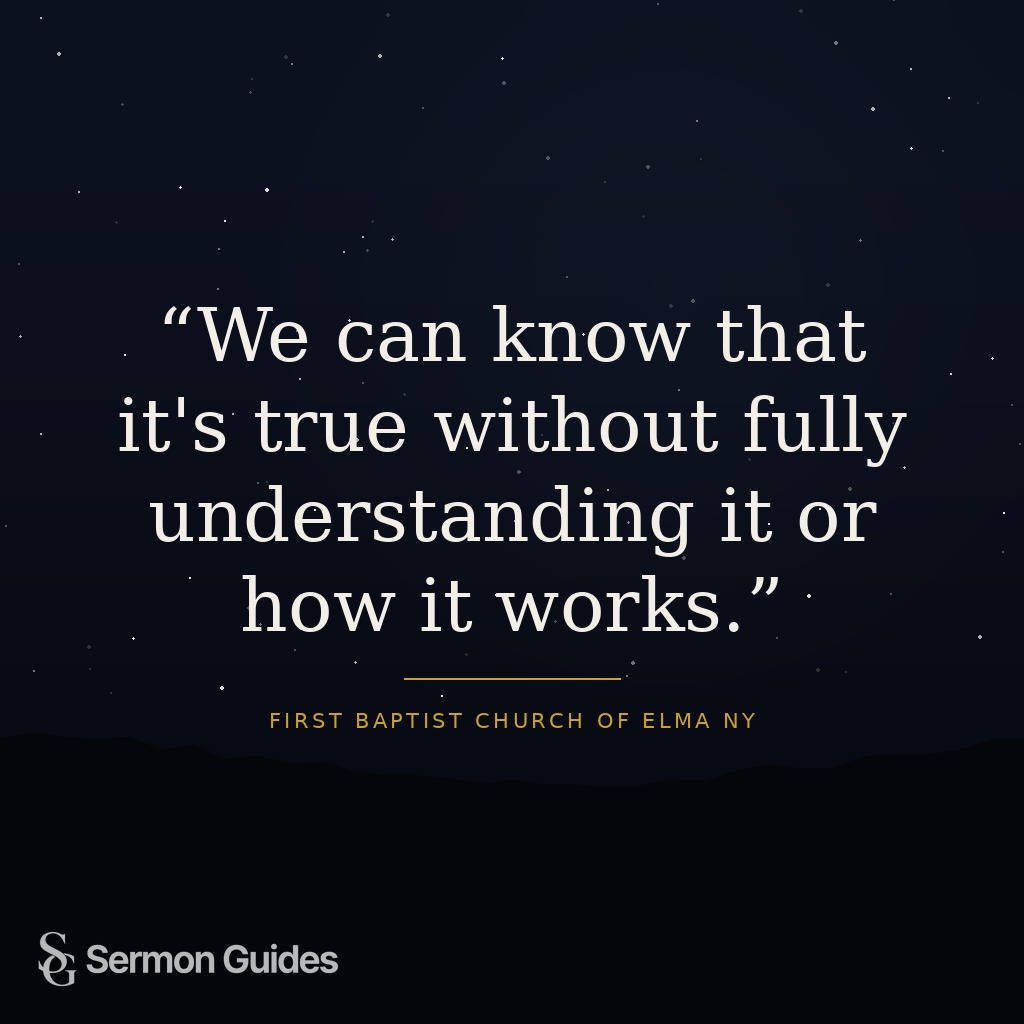
Faith can rest in what God has revealed, even when we cannot grasp every mystery. Let what you do not understand lead you toward trust rather than doubt. Join us in reflecting on the God who is beyond our understanding.
#WorshipingTheGodWeCannotFullyUnderstand #FirstBaptistChurchOfElma #Faith
Post it on Facebook
Then attach the saved picture and paste the caption into a new post.
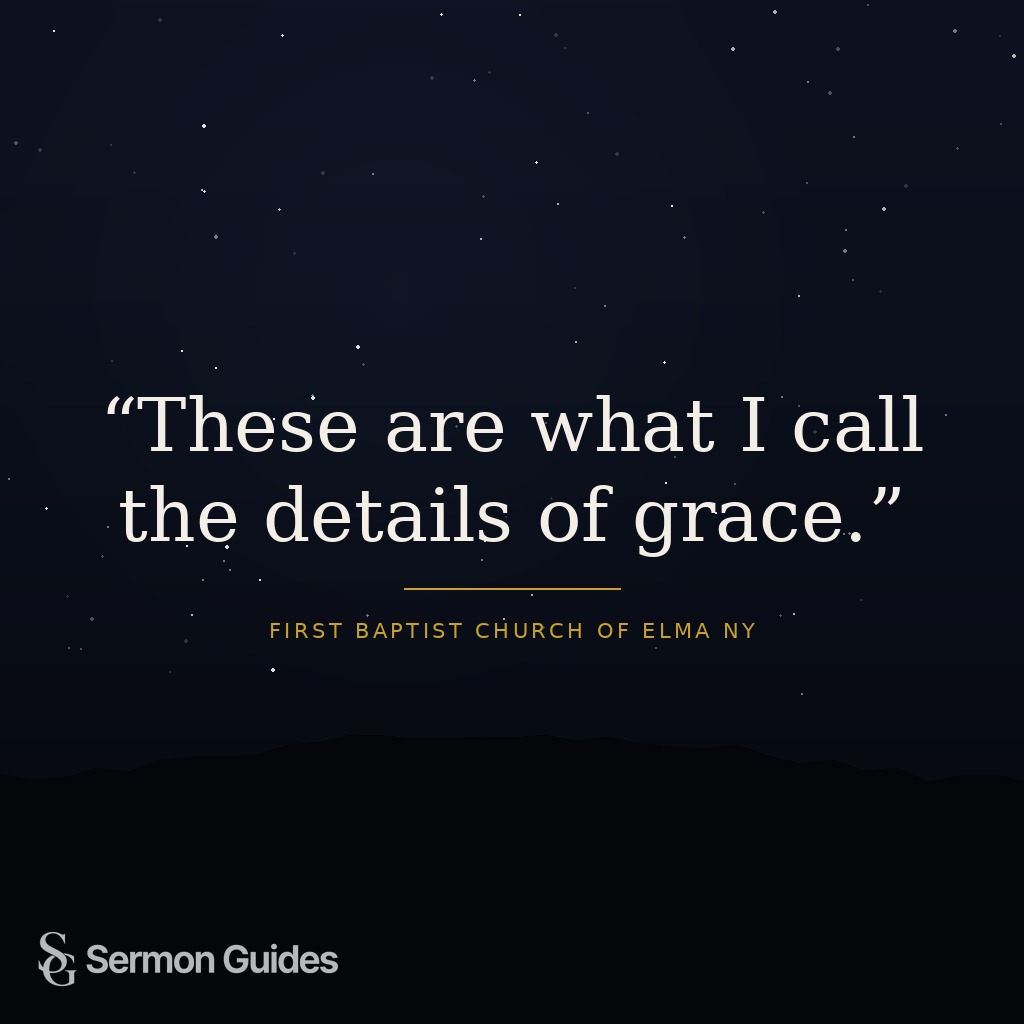
Doctrine helps us see the details of God’s grace more clearly. Take time to learn about God and let that knowledge deepen your love for him. Join us as we explore how theology shapes worship.
#WorshipingTheGodWeCannotFullyUnderstand #FirstBaptistChurchOfElma #DetailsOfGrace
Post it on Facebook
Then attach the saved picture and paste the caption into a new post.
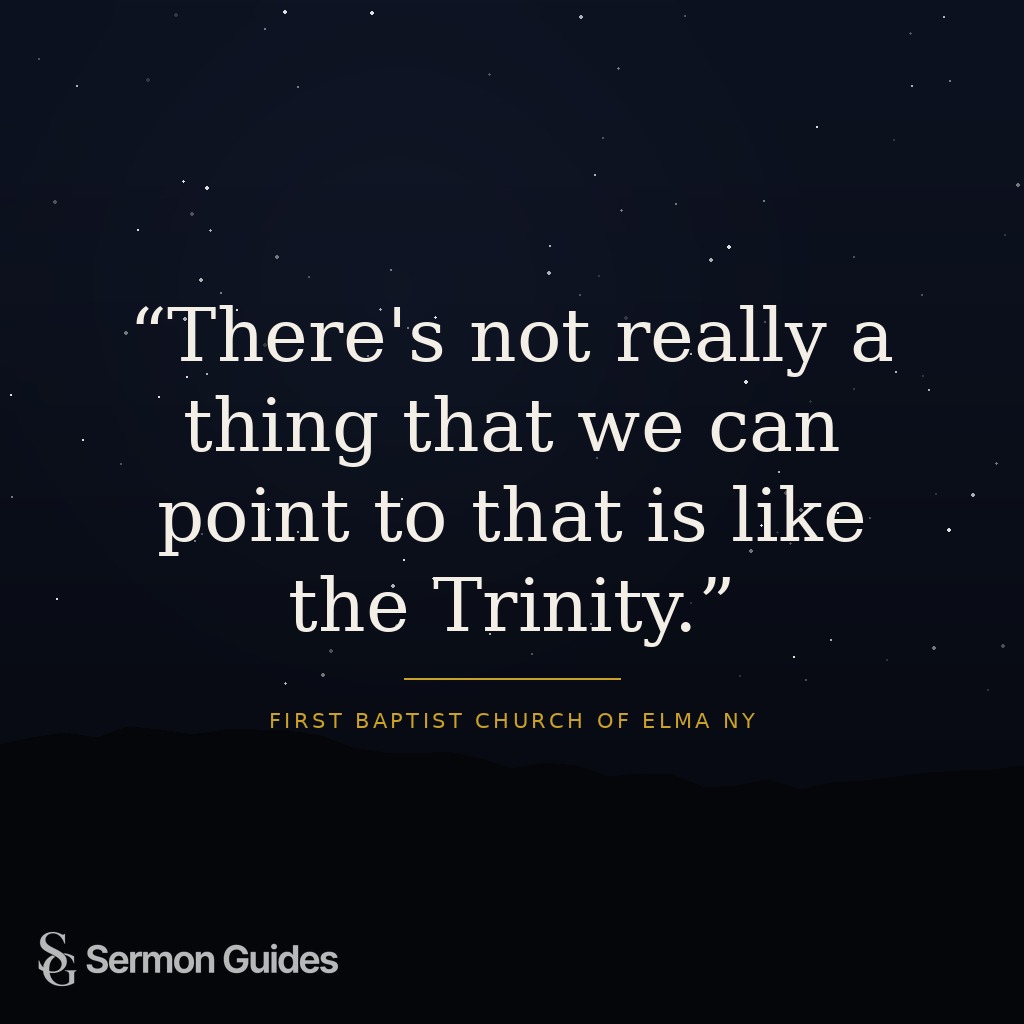
God is not like anything in creation, and no analogy can capture the Trinity completely. Let the mystery remind you that God is greater than what we can explain. Join us in worshiping the one God in three persons.
#WorshipingTheGodWeCannotFullyUnderstand #FirstBaptistChurchOfElma #Trinity
Post it on Facebook
Then attach the saved picture and paste the caption into a new post.
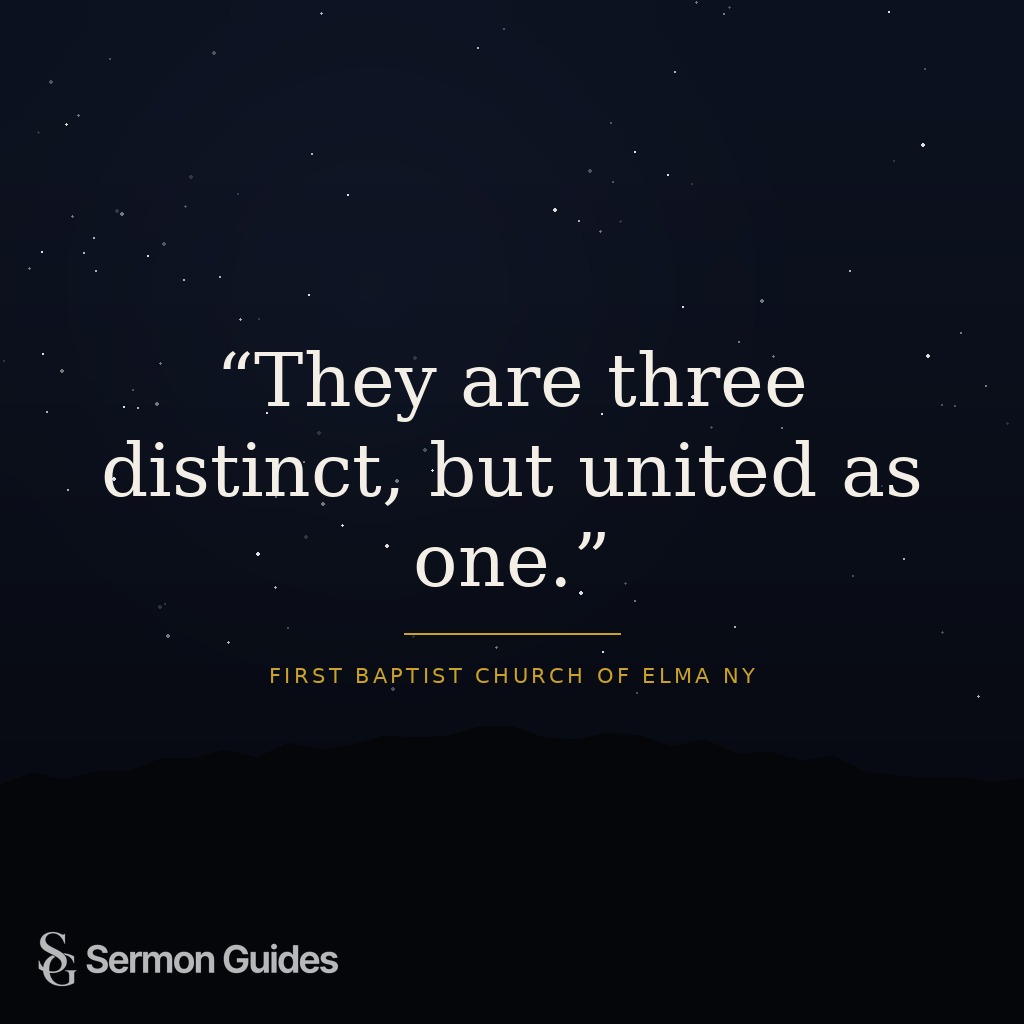
The Father, Son, and Holy Spirit are distinct persons, united as one God. Hold this truth with humility, even when it stretches your understanding. Join us as we worship the triune God.
#WorshipingTheGodWeCannotFullyUnderstand #FirstBaptistChurchOfElma #TriuneGod
Post it on Facebook
Then attach the saved picture and paste the caption into a new post.
The mystery of the Trinity is not merely a puzzle to solve; it reveals who God is. Let your study of God lead you into deeper worship. Join us as we learn and adore him together.
#WorshipingTheGodWeCannotFullyUnderstand #FirstBaptistChurchOfElma #KnowGod
Post it on Facebook
Then attach the saved picture and paste the caption into a new post.
God is worthy of worship for who he is, not only for what he does for us. Make space in prayer to adore him before bringing your requests. Try two minutes of adoration this week, and join us in praising God.
#WorshipingTheGodWeCannotFullyUnderstand #FirstBaptistChurchOfElma #Adoration
Post it on Facebook
Then attach the saved picture and paste the caption into a new post.