October 4, 2026
The Word Works When You Work the Word
John 1:1-3; John 1:14; 1 Thessalonians 2:11-13; Romans 10:17; 2 Timothy 3:16-17; 2 Corinthians 1:20; Psalm 119:105; 2 Timothy 2:15; Psalm 1:1-3; James 1:21-25; 1 Corinthians 1:18
The sermon centers on the phrase, “The Word works when you work the Word.” Grounding the message in passages including 1 Thessalonians 2:11–13, the speaker emphasizes that Scripture is God’s Word and calls believers not only to honor it but to receive and obey it.
The speaker presents five connected practices: hear the Word attentively, read it regularly, study it for understanding, meditate on it by keeping its truth in mind and speaking it, and apply it in daily life. These practices are described as a progression from receiving Scripture to living it out. The sermon encourages accessible, steady study rather than waiting for perfect knowledge or extensive time.
The message concludes that following Scripture is not bondage but guidance for life, and that Christian faith and obedience are rooted in relationship with Jesus Christ. The speaker invites listeners to trust in Jesus and encourages ongoing discipleship, including fellowship in church and guidance from a pastor.
Key takeaways
- The Word works when you work the Word.
- Listen to Scripture with attention, not just familiarity.
- Make regular Bible reading part of your life.
- Study Scripture to understand its context and meaning.
- Consistent study matters more than perfect study habits.
- Meditate by returning to God’s truth throughout the day.
- Let Scripture shape your choices and actions.
- Be doers of the Word, not hearers only.
- God’s Word offers guidance for everyday life.
- Christian discipleship begins with relationship with Jesus.
- Day 1Romans 10:17; 1 Thessalonians 2:13
Listen with an Open Heart
The Word of God is not background noise; it is a message to receive with attention and faith. Paul thanked God that the Thessalonians welcomed the gospel not as merely human words, but as God’s Word at work in those who believe. Hearing, then, is more than being present while Scripture is read or preached. It means making room to listen—to pause distractions, consider what is being said, and ask God to help us respond. Faith grows as we hear the good news of Christ and return to it throughout the week. We can listen in worship, read Scripture aloud, or revisit a sermon or Bible study. The aim is not to collect religious words, but to receive God’s truth with humility and trust. As you listen today, remember that God’s Word invites you to know him and shapes the life of faith.
- Reflect
- What could you set aside today so you can listen more attentively to God’s Word?
- Prayer
- God, quiet my distractions and help me receive your Word with faith and an obedient heart.
- Day 22 Timothy 3:16–17; Psalm 119:105
Let the Word Light Your Path
Reading Scripture brings us into regular contact with the story, teaching, promises, and wisdom God has given. The Bible is not simply another book to skim when convenient; it is a gift that teaches, corrects, and equips God’s people for faithful living. The psalmist describes God’s Word as a lamp for the feet and a light for the path. A lamp may not show every turn far ahead, but it gives light for the next step. You do not need to read a large amount to begin. Choose a short passage, read it slowly, and notice what it shows about God, people, and the way of faith. If one translation is difficult to understand, consider a faithful, accessible translation and compare it with others. The goal is not to rush through pages, but to keep returning to Scripture and let its truth guide your daily choices.
- Reflect
- What small, realistic rhythm could help you read Scripture regularly this week?
- Prayer
- Lord, make your Word a light for my next steps and give me patience to read it faithfully.
- Day 32 Timothy 2:15; Acts 17:11
Study for Understanding
Reading introduces us to Scripture; study helps us understand it more carefully. The Bible was written in real times and places, through different authors and kinds of writing. Paying attention to context helps us hear a passage as it was intended, rather than using a verse to say whatever we already think. You might study a whole book, trace a theme, examine a biblical person’s story, or look into the meaning of a key word with reliable resources. Start with questions: Who is speaking? To whom? What happens before and after this passage? What does it reveal about God and his purposes? Study is not reserved for experts. It is patient attention that can be shared with a church, pastor, or trusted study guide. Even a few focused minutes can deepen understanding. Seek not merely information, but wisdom that leads you to honor God and serve others.
- Reflect
- What question about a passage of Scripture would you like to explore more carefully?
- Prayer
- God, give me humility and discernment as I study, so I may understand your Word faithfully.
- Day 4Psalm 1:1–3; Joshua 1:8
Carry the Word with You
Biblical meditation means returning to God’s Word, considering it, and letting it shape our thoughts and speech. Psalm 1 pictures a person who delights in the Lord’s instruction and meditates on it day and night, like a tree planted by streams of water. This is not a promise that believers will avoid hardship or prosper in every worldly sense. It is a picture of a life rooted in God, nourished by his truth, and bearing fruit in season. Choose a verse or short passage and carry it with you today. Read it again, consider what it means in context, and remember it when you face worry, conflict, or a decision. Speaking Scripture can help us recall God’s truth, but it is not a formula that guarantees a particular outcome. Meditation is a way of attending to God and learning to trust and follow him.
- Reflect
- Which Scripture might you carry in your thoughts today, and what does it invite you to trust or practice?
- Prayer
- Lord, root me in your truth and help me remember your Word throughout the day.
- Day 5James 1:22–25; John 15:4–5
Put the Word into Practice
The purpose of hearing, reading, studying, and meditating on Scripture is not knowledge alone; God’s Word calls us to faithful response. James warns that hearing without doing can be like looking in a mirror and then forgetting what we saw. When Scripture corrects us, comforts us, or shows us a loving next step, we are invited to respond—not to earn God’s love, but because we belong to him. Obedience may mean telling the truth, making peace, showing generosity, seeking wise counsel, or changing a harmful habit. We do not walk this path by willpower alone. Jesus calls his followers to abide in him, because lasting fruit comes from life with Christ. Ask the Holy Spirit to help you act on what you have received. Start with one concrete step, and seek support from a faithful Christian community as you grow.
- Reflect
- What specific action can you take today in response to a truth you have read in Scripture?
- Prayer
- Jesus, keep me close to you and help me put your Word into practice with love and faithfulness.
Open together
- 1.What is a Bible verse or story you remember hearing when you were younger?
- 2.What helps you pay attention and stay engaged when someone is speaking?
- 3.What is one habit that helps you learn something important?
Observation
- 1.According to Romans 10:17, how does faith come?
- 2.What purposes for Scripture are listed in 2 Timothy 3:16–17?
- 3.What five practices for engaging God’s Word does the sermon describe?
- 4.In Psalm 1, what does the blessed person delight in and meditate on?
- 5.In James 1:21–25, what is the difference between hearing the Word and doing it?
- 6.Why does the sermon say that working with the Word requires a relationship with Jesus?
Interpretation
- 1.How might hearing Scripture attentively differ from merely having it in the background?
- 2.Why are reading and studying Scripture distinct practices, and how can they support each other?
- 3.What does meditating on Scripture mean in the sermon, and how does that compare with simply trying to empty one’s mind?
- 4.How does James’s image of looking in a mirror help explain the need to act on Scripture?
- 5.How can we understand the sermon’s instruction manual illustration without treating Scripture as a shortcut to easy answers?
- 6.Why is a relationship with Jesus central to the sermon’s message about hearing, understanding, and living out God’s Word?
Application
- 1.Which of the five practices—hearing, reading, studying, meditating, or applying Scripture—would you most like to strengthen? Why?
- 2.What realistic time or place could you set aside this week to engage with Scripture?
- 3.What distractions could you reduce so you can listen to or read Scripture more attentively?
- 4.What passage could you return to this week and reflect on throughout the day?
- 5.Is there a teaching from Scripture you already understand but have found difficult to put into practice? What is one next step you could take?
- 6.Who could encourage you in following Jesus and growing in your understanding of Scripture?
15 Minutes Adds Up
0:40Fifteen minutes of Bible study a day adds up to 91 hours over a year.
Reading Isn’t the Same as Studying
0:36Reading exposes you to the Word; studying helps you understand it.
You Can’t Use a Toaster to Freeze Water
0:38A toaster can’t freeze water—and the analogy makes a simple point about living according to how you were designed.
Don’t Just Hear the Word—Do It
0:52The passage says hearing the Word without doing it is like looking in a mirror and immediately forgetting what you saw.
What Are You Feeding Your Faith?
0:44Your faith is shaped by what you spend your time hearing—so ask yourself what you’re really listening to.
Fill Your Mind With the Word
0:59Biblical meditation isn’t about emptying your mind—it’s about filling it with God’s Word.
What Are You Saying to Yourself?
0:51Instead of rehearsing your troubles, speak Scripture over your life throughout the day.
You Can Replay the Sermon
0:48In an age where sermons are recorded, “I don’t know what to listen to” may just be an excuse.
The Word Can Change Your Life
0:56The Bible says creation came through the Word—and that the Word can change the way you live.
Hearing Isn’t Just Listening
0:43If you want the Word to make an impact, you have to give it your full attention.
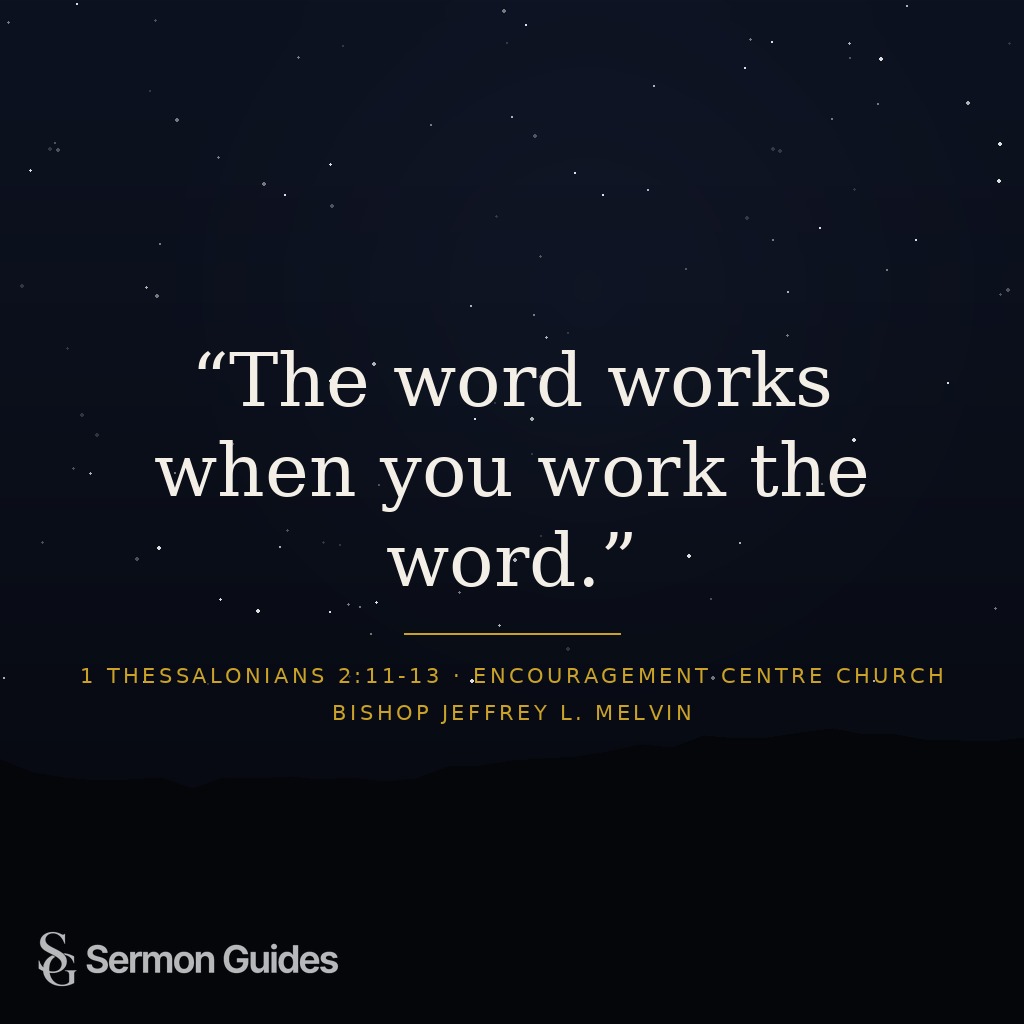
God’s Word is at work in those who believe and receive it. Make room for Scripture in your daily life, one step at a time. What’s one way you’ll work the Word this week?
#TheWordWorksWhenYouWorkTheWord #EncouragementCentreChurch #WorkTheWord #Faith
Post it on Facebook
Then attach the saved picture and paste the caption into a new post.
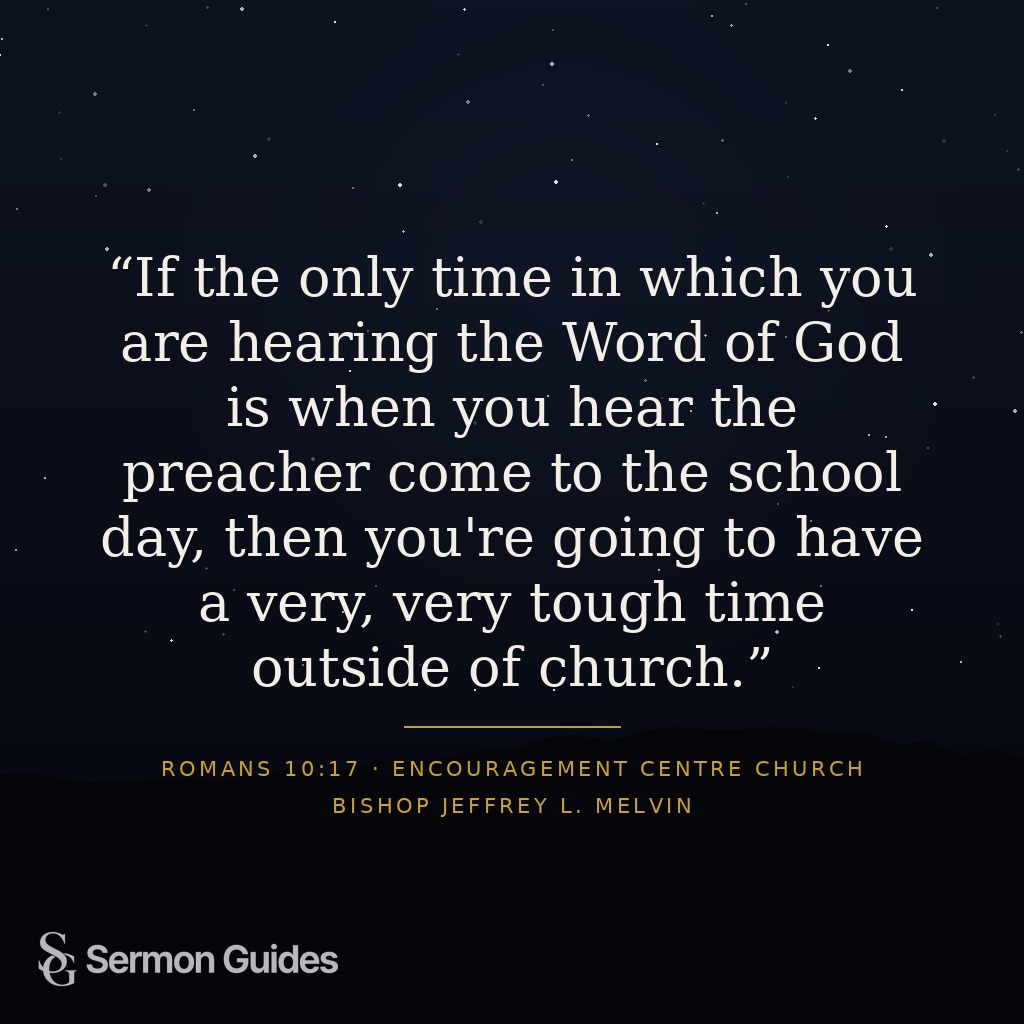
Faith comes by hearing the Word, and listening doesn’t have to stop when the service ends. Find a way to hear Scripture throughout your week, such as replaying a sermon or listening to the Bible. What will you listen to this week?
#TheWordWorksWhenYouWorkTheWord #EncouragementCentreChurch #FaithComesByHearing #HearTheWord
Post it on Facebook
Then attach the saved picture and paste the caption into a new post.
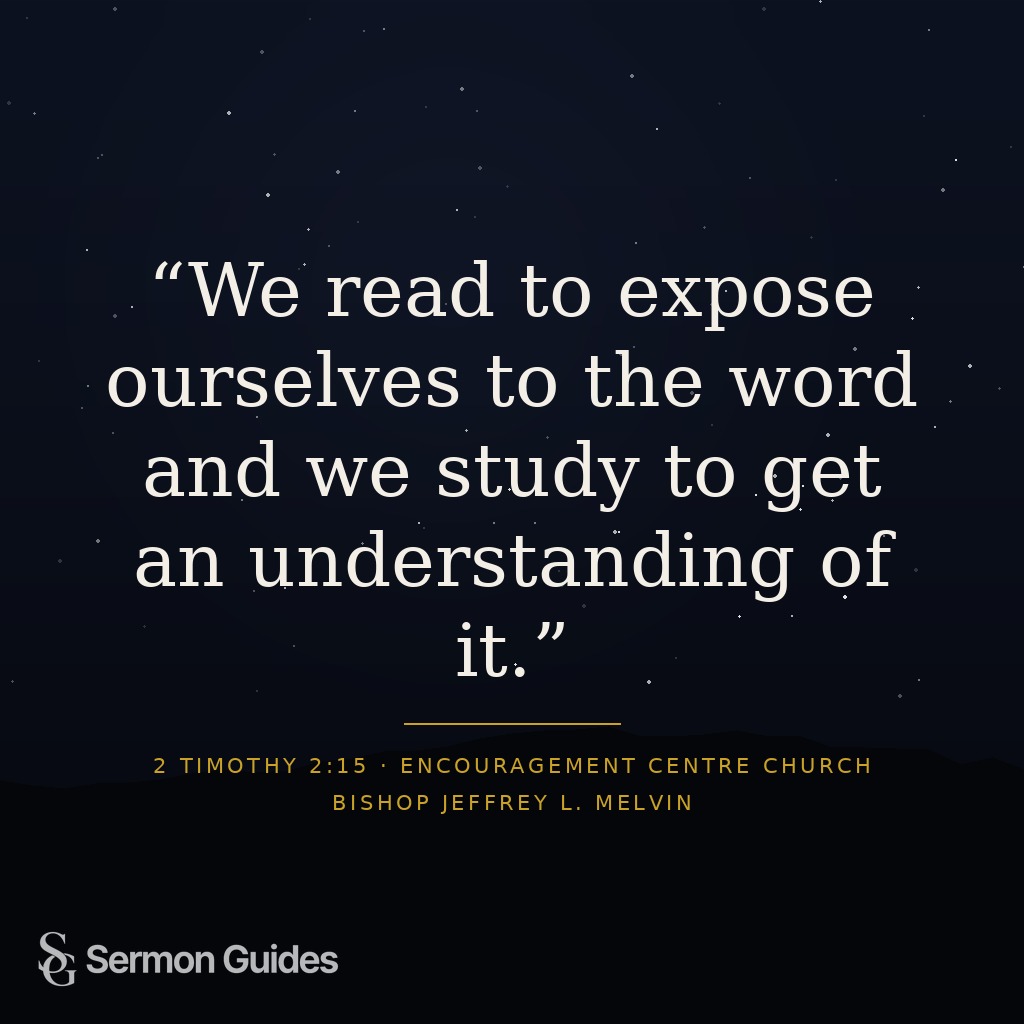
Reading and studying Scripture serve different purposes: one introduces us to the Word, and the other helps us understand it. Set aside a little time to explore a passage more deeply. Which verse will you study next?
#TheWordWorksWhenYouWorkTheWord #EncouragementCentreChurch #StudyTheWord #GrowInFaith
Post it on Facebook
Then attach the saved picture and paste the caption into a new post.
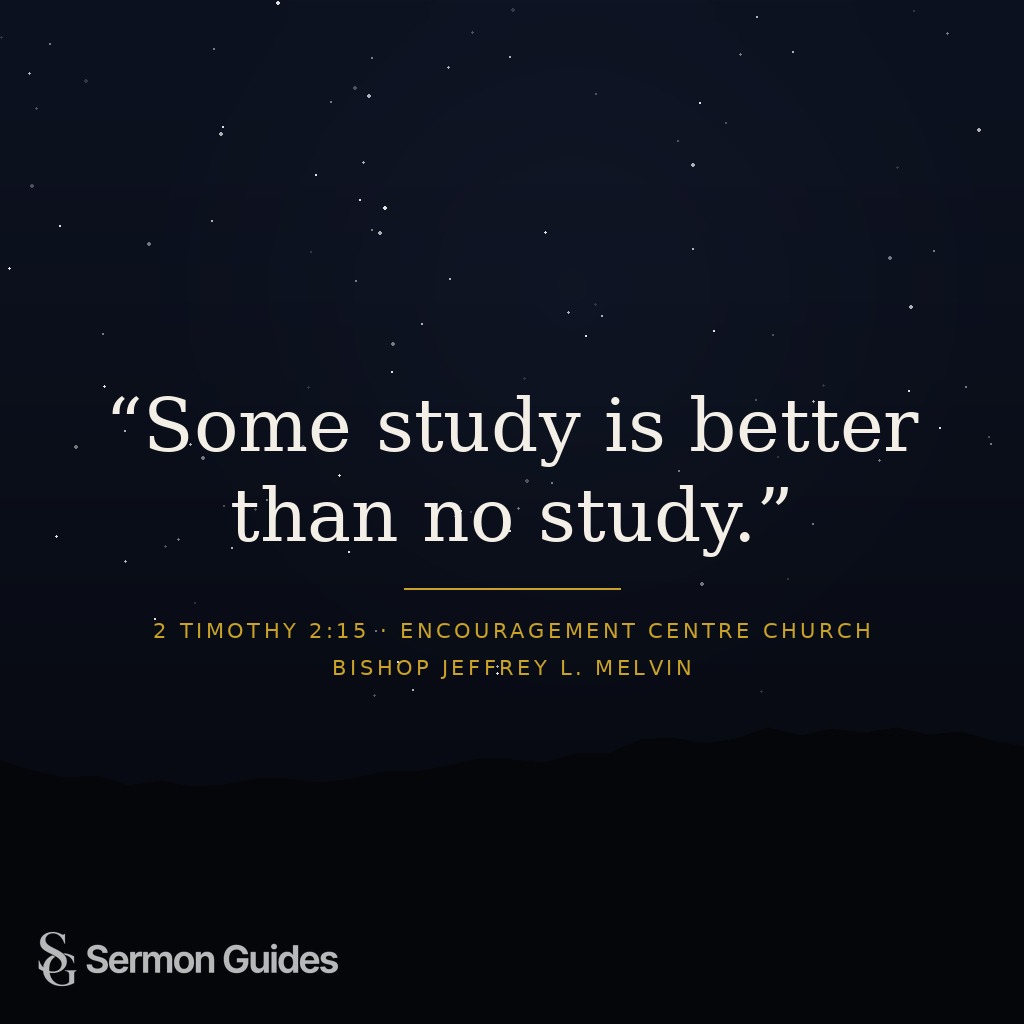
You don’t have to master everything at once to begin growing in the Word. Start with a small, consistent amount of time in Scripture. What’s one simple study step you can take today?
#TheWordWorksWhenYouWorkTheWord #EncouragementCentreChurch #BibleStudy #StartSmall
Post it on Facebook
Then attach the saved picture and paste the caption into a new post.
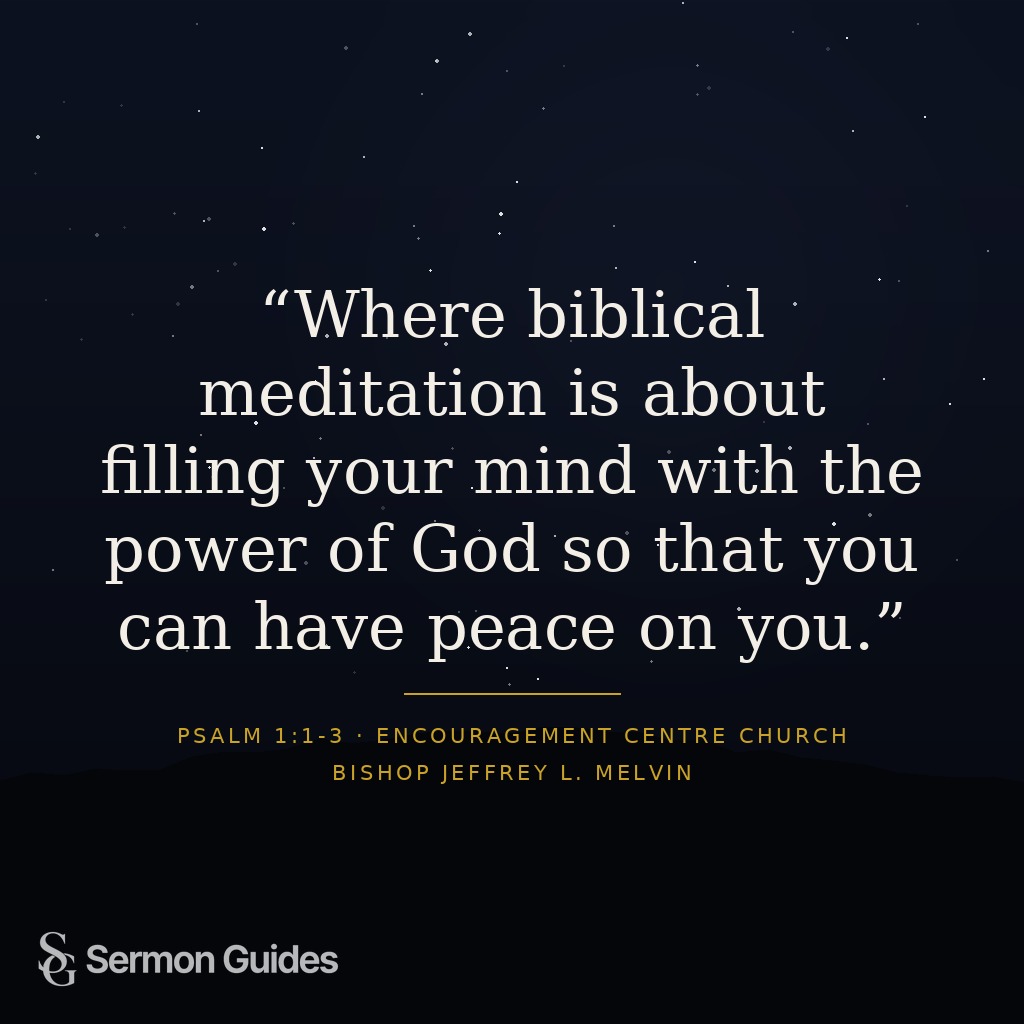
Biblical meditation turns our attention toward God’s Word and its power. Try speaking a Scripture that encourages you as you move through your day. What verse brings you peace?
#TheWordWorksWhenYouWorkTheWord #EncouragementCentreChurch #MeditateOnTheWord #Peace
Post it on Facebook
Then attach the saved picture and paste the caption into a new post.
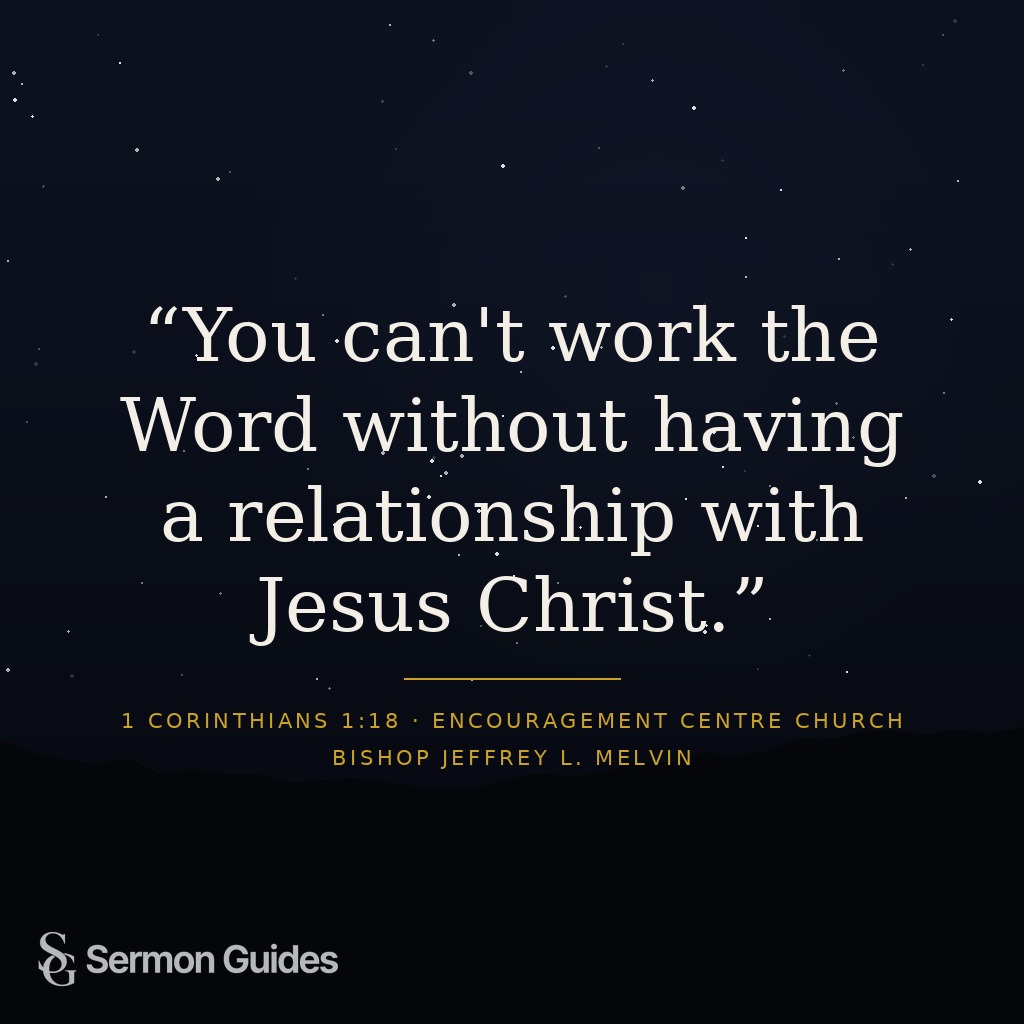
The sermon points us to Jesus as central to working and living by the Word. Bring your questions, your hopes, and your life to Him. Would you like to take a step toward Jesus today?
#TheWordWorksWhenYouWorkTheWord #EncouragementCentreChurch #JesusChrist #Faith
Post it on Facebook
Then attach the saved picture and paste the caption into a new post.