Preaching: Foolishness That Is the Power of God
Sep 20, 2026 · Sunday AM · 1 Corinthians 1:17-25; 1 Corinthians 2:1-12; Mark 16:15
The sermon reflects on the trustworthiness of God’s Word and the church’s command to proclaim the gospel. From 1 Corinthians 1:17–24, the preacher distinguishes the call given to all believers to share the gospel from the particular call some receive to preach it publicly.
Paul’s message shows that preaching may appear foolish: its delivery can be unimpressive, and its central message—the crucified Christ—challenges human expectations. Yet the power does not rest in eloquence or clever argument, but in God, who uses the preaching of the cross to bring people to salvation.
The sermon also emphasizes that preaching serves believers through Scripture and the Holy Spirit, bringing encouragement, instruction, conviction, and correction. Drawing on 2 Timothy 4, it urges the church to value faithful preaching of the Word and to respond humbly when God’s truth reaches the heart.
Key takeaways
- God’s character and His Word are a sure foundation in trouble.
- Every believer is called to share the gospel.
- Some are specifically called and sent to preach.
- Faithful preaching proclaims the Word rather than replacing it with self-help or entertainment.
- The cross may seem foolish to the world, but it is the power of God to those being saved.
- The gospel’s power does not depend on a preacher’s eloquence.
- The Holy Spirit works through Scripture to teach and strengthen believers.
- Preaching should bring encouragement, instruction, conviction, and correction.
- Listen carefully and discern whether a message is truly grounded in God’s Word.
- When God’s Word reaches the heart, respond with humility and obedience.
Day 1
Trust the Word and the Shepherd
1 Corinthians 1:17–18; Psalm 119:105
The sermon begins with a steadying truth: God holds Himself to His Word. When trouble clouds our vision, we can lean on what Scripture says and on the character of the One who speaks. His promises are not wishful thinking; they rest on His faithfulness. The Bible does not promise that storms will never come, but it reveals the Shepherd who stays with His people through them. As we read Scripture, we learn both God’s promises and God’s heart. Let those truths guide your next step, especially when you cannot yet see the whole way forward. The Word is not merely information to collect; it is a lamp for the path and a means by which God strengthens trust. Take one promise to heart today, and remember that the Lord who gave it is present with you.
- Reflect
- Which promise of God’s Word do you need to remember in a trouble you are facing?
- Prayer
- Faithful Shepherd, steady my heart through Your Word and help me trust Your character today.
Day 2
Every Believer Sent
Mark 16:15; Matthew 28:18–20
The call to share the gospel is not reserved for pastors, missionaries, or especially confident Christians. Jesus’ command sends His followers into the world to make Him known. That calling reaches ordinary places: homes, schools, workplaces, and conversations with neighbors. We do not need to force a moment or pretend to have every answer. We can speak honestly about Christ, show the love He has given us, and be ready to explain the hope we have. The sermon reminds us that the gospel is to be proclaimed, not hidden away. Ask God to make you attentive to the people He has placed around you. A faithful witness may begin with listening, a caring question, or a simple account of what Jesus has done. The response belongs to God; our part is to be willing and truthful.
- Reflect
- Where might God be giving you an opportunity to make Christ known this week?
- Prayer
- Jesus, give me courage and compassion to share Your good news faithfully wherever You send me.
Day 3
The Cross Is God’s Power
1 Corinthians 1:18–25; Romans 5:8
The message of Christ crucified can seem foolish to a world that prizes status, strength, and self-reliance. Yet at the cross we see God’s wisdom and love: Christ gave Himself for sinners, not because we had earned His favor, but because God loved us. The gospel is not made powerful by impressive language or clever performance. Its power rests in Jesus—crucified and risen—and in God’s work through that message. This does not mean words or clear explanation are unimportant. It means our confidence belongs in Christ rather than in our ability to persuade or impress. When you feel inadequate to speak about faith, remember that the cross tells the truth about both our need and God’s abundant mercy. Hold fast to that hope, and let it shape the way you speak and live.
- Reflect
- How does Christ’s love for you change the way you view your worth and the people around you?
- Prayer
- Lord Jesus, keep me anchored in Your cross, and make Your self-giving love visible in my life.
Day 4
Depend on the Spirit
1 Corinthians 2:1–5; 1 Corinthians 2:12–13
Paul did not rely on impressive speech to establish faith in Corinth. He proclaimed Christ with humility, aware that lasting faith depends on God’s power, not human brilliance. This is not an excuse to neglect preparation or understanding; Scripture calls us to speak truthfully and faithfully. But skill, personality, and eloquence cannot replace the Holy Spirit’s work. The Spirit helps God’s people understand what God has given and enables the gospel to take root in hearts. Whether you are sharing your faith, serving someone, or listening to Scripture, ask God to make you dependent on Him. You do not have to manufacture spiritual results. Prepare with care, speak with love, and trust the Lord to work through His Word. Our weakness does not limit God; it can remind us where true power comes from.
- Reflect
- Where are you tempted to rely on your own ability instead of asking God for help?
- Prayer
- Holy Spirit, help me understand Your truth and depend on Your power rather than my own.
Day 5
Hear the Word and Respond
2 Timothy 4:1–5; James 1:22
Faithful preaching brings Scripture to bear on real life. God’s Word can encourage, correct, warn, and strengthen us; receiving it means more than appreciating a good story or memorable illustration. We are called to hear the truth, discern what is faithful to Scripture, and respond in obedience. That response may be private prayer, reconciliation, a changed habit, or a public act of service. The sermon pictured the altar as a place to answer God’s work in the heart. Whatever form your response takes, do not leave conviction unattended. Nor should you respond from pressure or emotion alone: test what you hear by the Word and follow Christ with patience. Ask the Lord to make you not only a hearer but a doer, trusting His grace as you take the next faithful step.
- Reflect
- What concrete response to God’s Word is He inviting you to make today?
- Prayer
- God, give me a receptive heart and the grace to obey Your Word in the next step You show me.
Open together
- 1.When have you heard a message or read a passage of Scripture that stayed with you?
- 2.What helps you feel grounded or encouraged when life is difficult?
Observation
- 1.In 1 Corinthians 1:17–25, what does Paul say Christ sent him to do, and what does he say he was not sent to do?
- 2.How does Paul describe the message of the cross to those who are perishing and to those who are being saved?
- 3.What contrasts does Paul make between the wisdom people seek and the wisdom or power of God?
- 4.What responses to Christ crucified does Paul describe among Jews and Greeks?
- 5.According to 1 Corinthians 2:1–5, what does Paul say about his manner of speaking and the basis of his hearers’ faith?
- 6.In 2 Timothy 4:2–4, what instructions does Paul give Timothy, and what does he warn may happen?
Interpretation
- 1.Why might the message of Christ crucified seem foolish to some people, while being the power of God to others?
- 2.How does Paul’s emphasis on the cross challenge confidence in human wisdom or persuasive speech?
- 3.What relationship do the passages suggest between preaching, the work of the Holy Spirit, and people’s faith?
- 4.How can preaching include both teaching Scripture and calling people to respond to it?
- 5.What does 2 Timothy 4:2–4 suggest about the importance of staying faithful to Scripture, even when people prefer messages that suit their desires?
Application
- 1.When you hear a sermon or Bible lesson, what helps you discern whether it is faithfully grounded in Scripture?
- 2.What is one truth about God’s character or Word you can remember when you face trouble this week?
- 3.How can you share the gospel in your relationships while keeping the focus on Christ rather than on winning an argument?
- 4.Has a passage of Scripture recently encouraged, corrected, or challenged you? What response might it call for?
- 5.What practical step could help you respond more faithfully to Scripture, such as prayer, reconciliation, service, or a change in conduct?
A Love the World Can’t Rationalize
0:50A father’s love for his sons makes the sacrifice of God’s Son hit differently.
Does the Holy Spirit Have a Monopoly?
0:57A story about D. L. Moody ends with a witty answer about who was really in charge.
“I’m Here Because God Sent Me”
0:49He says he didn’t become a pastor for money, status, or influence.
God Sent Us to Win Souls
0:50Arguments may spark interest, but he says only the gospel can bring someone to Christ.
Peace Isn’t the Absence of a Storm
0:36A short quote reframes what peace means when life gets hard.
Preaching Isn’t Self-Help
0:33A warning against treating the gospel, teaching, and psychological self-help as the same thing.
Faith Isn’t Feelingless
0:34He argues that serious faith can move you emotionally without being ruled by feelings.
The Gospel Has No Off-Limits Places
0:27This preacher says the command to share the gospel applies even where it’s unwelcome.
Preaching and Teaching Aren’t the Same
0:40A pastor explains why he won’t replace the word “preach” with “teach.”
The Call He Almost Turned Down
0:57He said no to the pastorate—until he felt the call again and submitted his name.
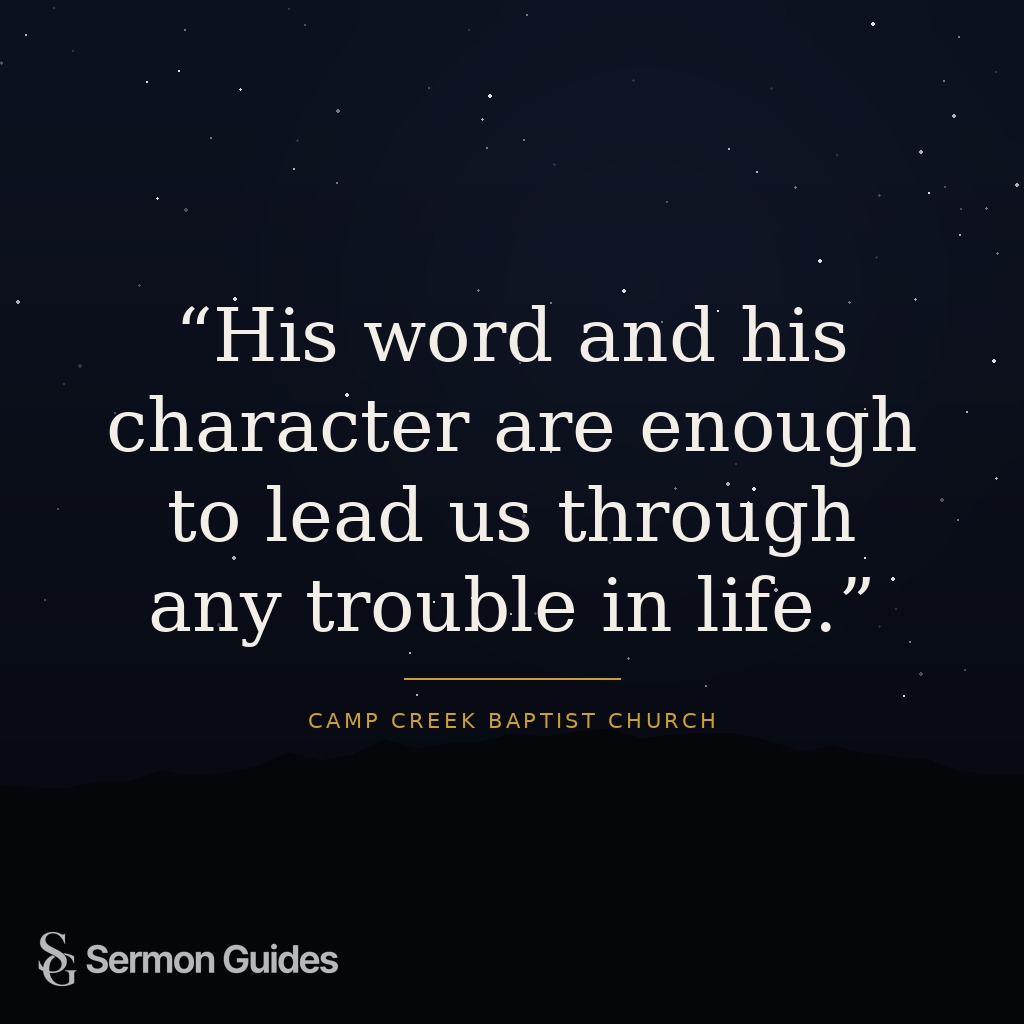
When life feels uncertain, God’s Word and character remain steady. Hold close to what Scripture says and who God is. Save this reminder for a difficult day and share it with someone who needs encouragement.
#PreachingFoolishness #CampCreekBaptistChurch #GodsWord #Faith
Post it on Facebook
Then attach the saved picture and paste the caption into a new post.
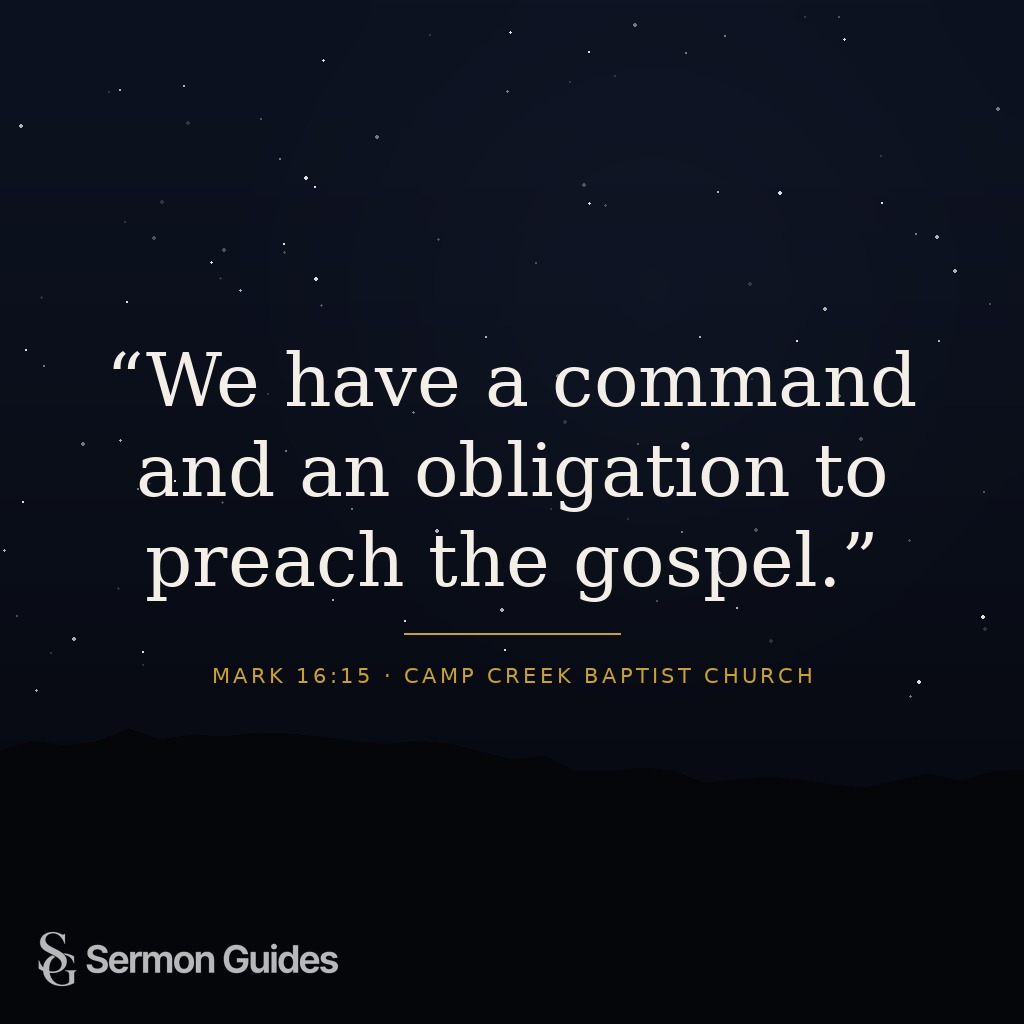
Sharing the gospel is a calling for every believer. Look for a faithful, loving opportunity to tell someone the good news of Christ. Who could you encourage with the gospel this week?
#PreachingFoolishness #CampCreekBaptistChurch #ShareTheGospel #GreatCommission
Post it on Facebook
Then attach the saved picture and paste the caption into a new post.
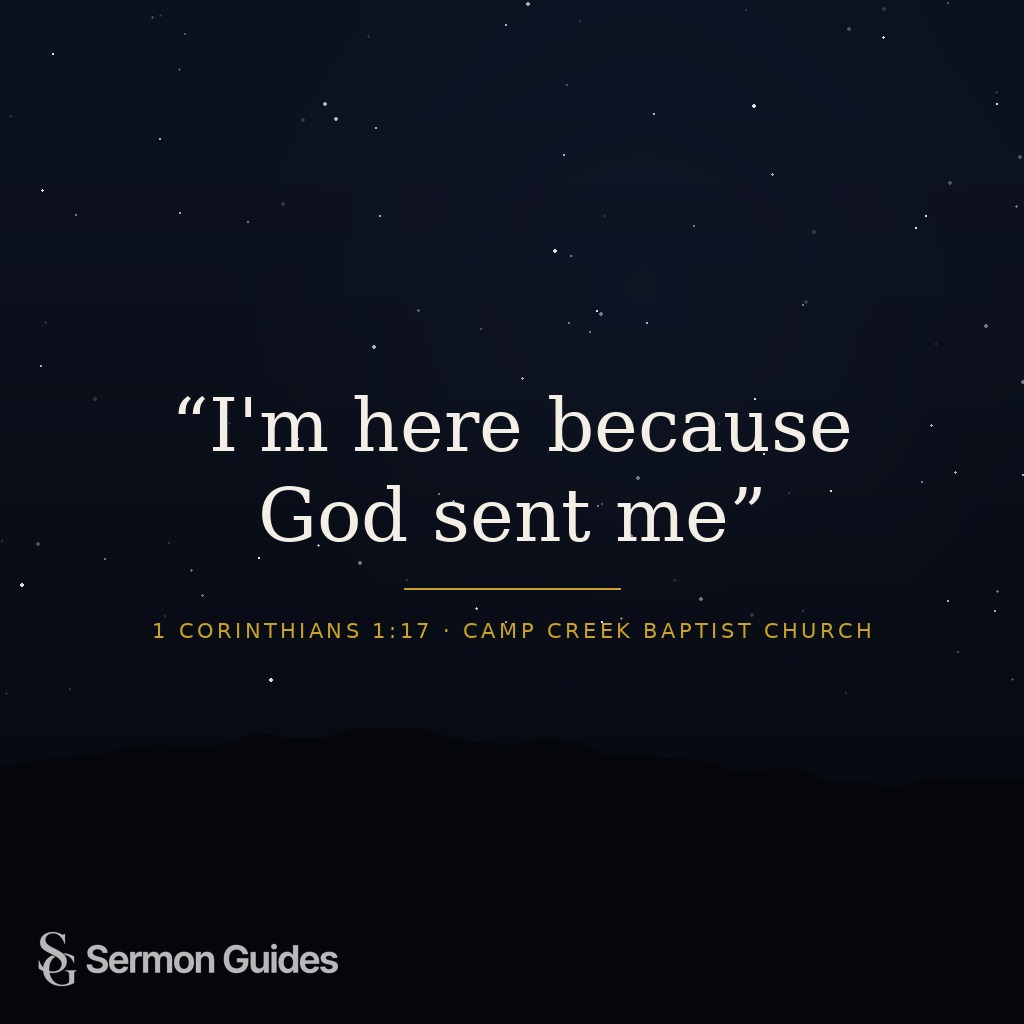
The preacher speaks of ministry as a calling, not a pursuit of status or personal gain. Whatever your role, seek God’s direction and serve faithfully where He leads. Take a moment to pray about where God is calling you to serve.
#PreachingFoolishness #CampCreekBaptistChurch #CalledToServe #FaithfulMinistry
Post it on Facebook
Then attach the saved picture and paste the caption into a new post.
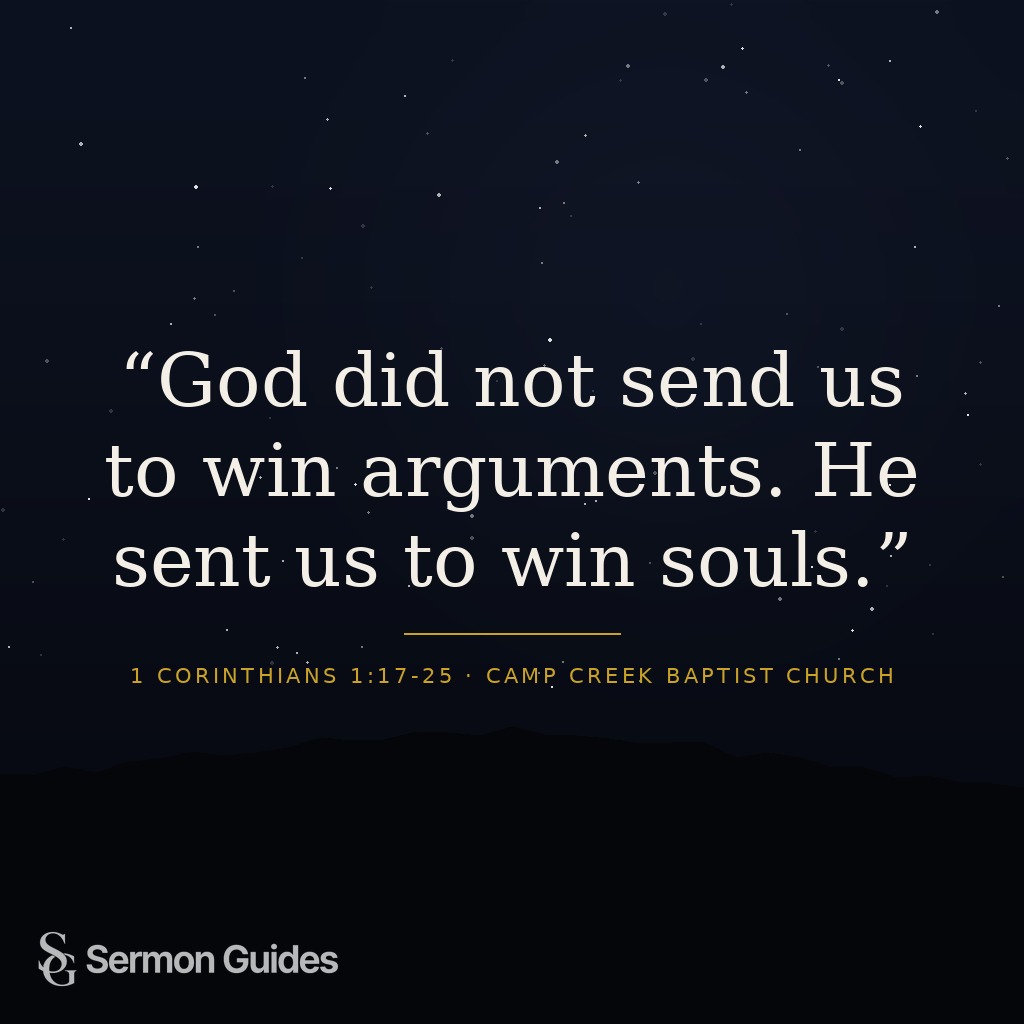
The aim of gospel witness is not winning a debate, but pointing people to Christ. Speak with grace, and keep the good news at the center. Share this reminder with someone who wants to represent Jesus well.
#PreachingFoolishness #CampCreekBaptistChurch #GospelWitness #ChristCrucified
Post it on Facebook
Then attach the saved picture and paste the caption into a new post.
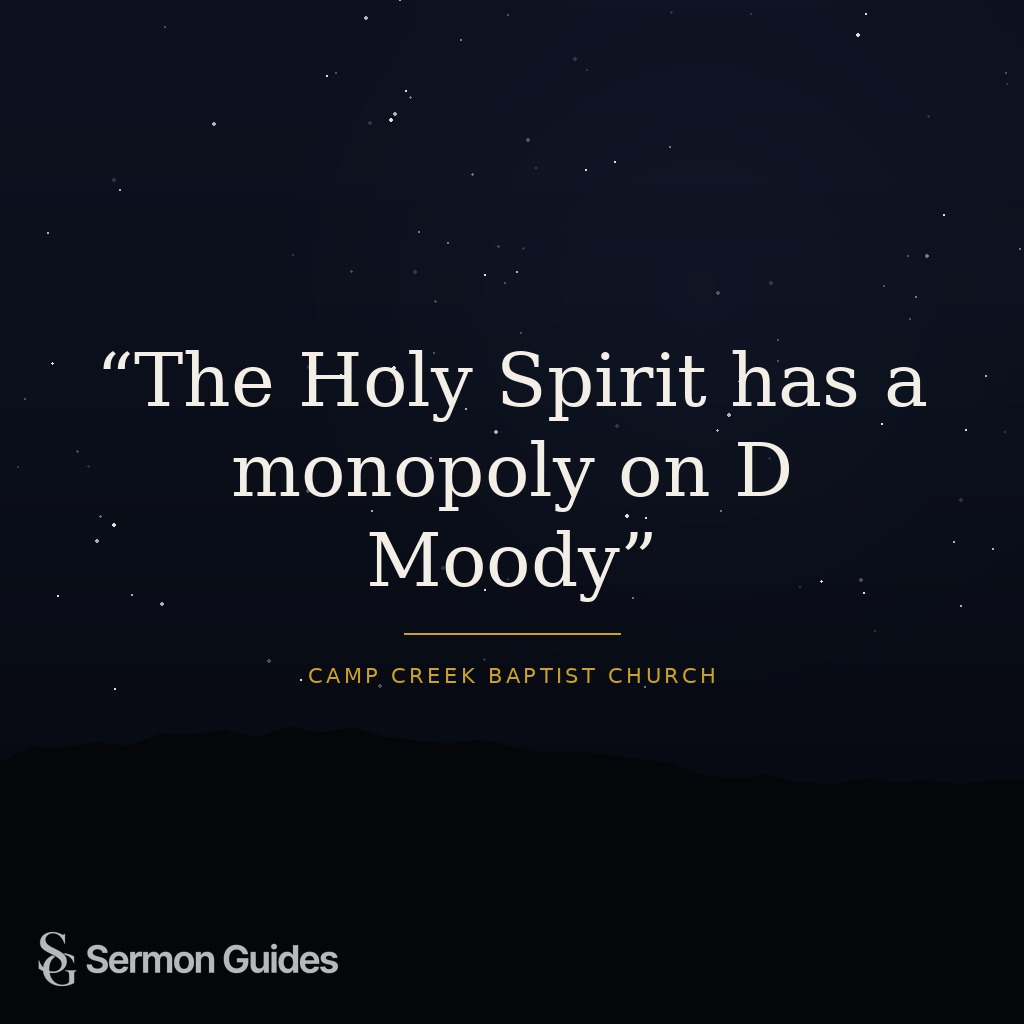
The sermon recalls this memorable line about D. L. Moody and the Holy Spirit’s work. Faithful ministry depends on God’s power, not impressive credentials or polished performance. Ask God to work through you as you serve others.
#PreachingFoolishness #CampCreekBaptistChurch #HolySpirit #GodsPower
Post it on Facebook
Then attach the saved picture and paste the caption into a new post.
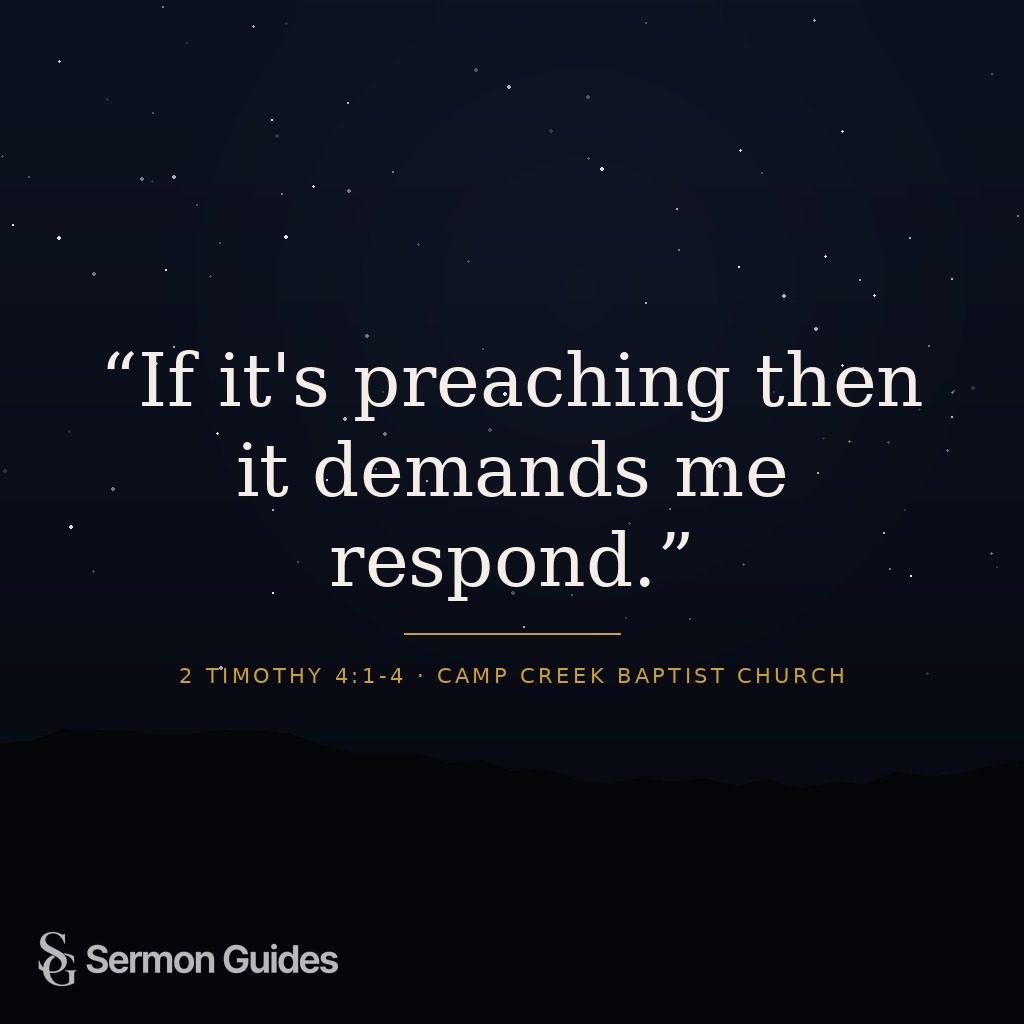
Preaching calls for more than listening; it calls for a response to God’s Word. Consider what God is asking you to believe, change, or put into practice today. Make space to pray and respond, and invite someone to join you at church.
#PreachingFoolishness #CampCreekBaptistChurch #RespondToGod #PreachTheWord
Post it on Facebook
Then attach the saved picture and paste the caption into a new post.